

Boisdale Of Canary Wharf

Common Threads set to be exhibited at Cody Dock in September

Artist and walker, Remiiya Badru, has spent a year researching, making pieces and hosting workshops to explore the history of calico and Prussian Blue
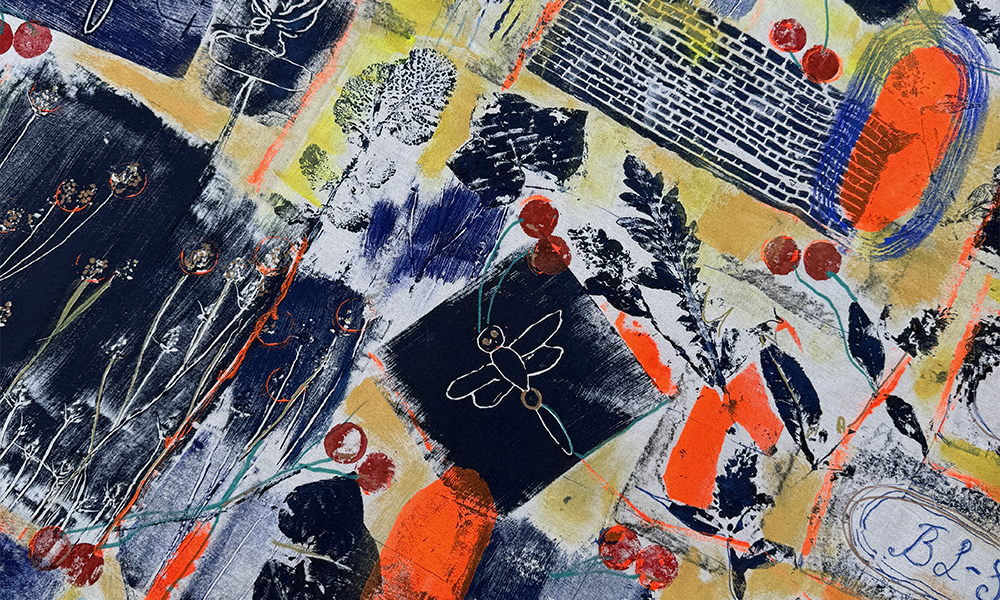
Detail from work created as part of Remiiya Badru's Common Threads project - image by Jon Massey / Wharf Life
Detail from work created as part of Remiiya Badru’s Common Threads project – image by Jon Massey / Wharf Life

Subscribe to our free Wharf Whispers newsletter here

The areas that line the banks of the Lea are rich in history, the silt of time that’s built up around the waterway.

Watch the river’s tides rise and fall and it’s easy to imagine the currents connecting to the Thames and from there the oceans beyond.

One’s head can easily start spinning from the complexity and variety of those links.  

Sometimes what’s needed is a way of fixing things, a scaffold to support the flow of ideas, themes and events.

To an extent, this is what artist and walker, Remiiya Badru’s, year-long collaboration with Cody Dock is all about. 

Common Threads has seen her take up the position of artist-in-residence at the ecological regeneration project, to research, investigate and respond to two interrelated commodities and their history in the area.

The first is the woven cotton cloth, calico, and the second the synthetic pigment Prussian Blue, once made at the site.

“I’m an artist, but I’m also a walker and an educator and both of those things inform my practice,” said Remiiya.

“I also have a connection with rivers and bodies of water as well as maps with the work I create.

Common Threads is about how we capture stories around the textile trade across the docks in east London.

“I see the threads as stories coming together, so I wanted to bring the community in and give people in this area the opportunity to share their tales.

“In this way these Common Threads are global narratives – they all come from somewhere and I wanted to look at how we could represent that visually in the context of the history.”
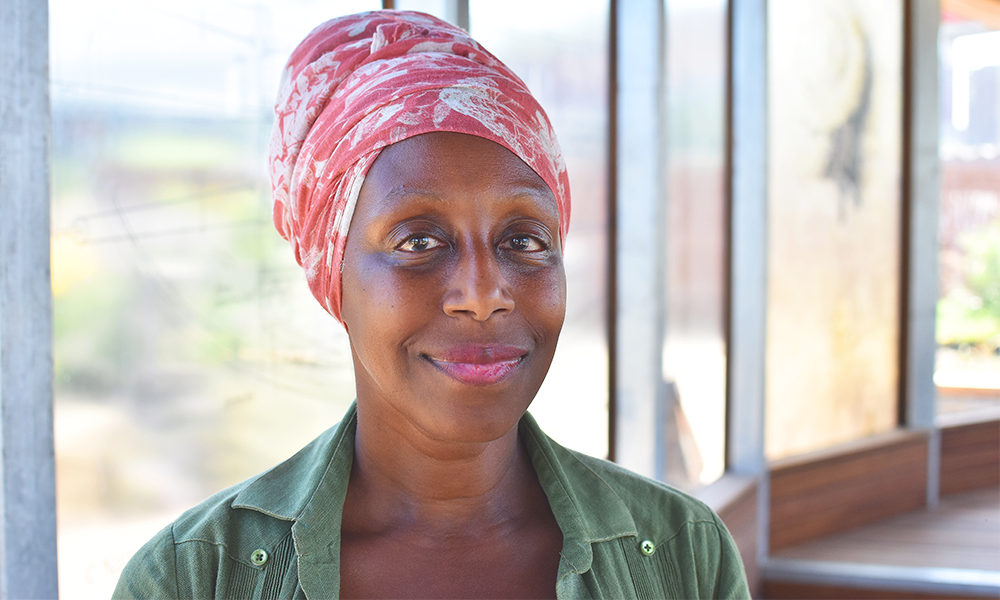
Artist and walker Remiiya Bardru has spent a year working at Cody Dock - image by Jon Massey / Wharf Life
Artist and walker Remiiya Bardru has spent a year working at Cody Dock – image by Jon Massey / Wharf Life

weaving stories together

When it comes to both the textile and the pigment, that past is a complex weave – different countries, creations and locations.

For Remiiya – an artist whose practice is characterised by curiosity and serendipity – it’s an irresistible jumping off point.

Having trained as an illustrator and then as a teacher – a useful skill that enabled her to take her art “out of the classroom and into museums and galleries” – she worked for a while in Bristol.

“That was at the Arnolfini Gallery with community groups and facilitating social engagement and I thought it was a very important part of my practice.

“That remains the case today, but I’m also very interested in the heritage of places. 

“I hated history at school but I found a way of seeing the subject as an archive of real people’s stories.

“Geography is also a love of mine – how people and place connect and how cities shift and shape themselves. I really love maps and what they represent.

“These things come together when I’m walking.

“My practice is often intuitive – if something jumps out at me, I’ll go and research it.

“I’ve done many walks along the Thames and the Lea – I’m a bit of a nomad.

“I would say the river is the aorta of the city – it pulls in all those tributaries and the stories flow into it.”
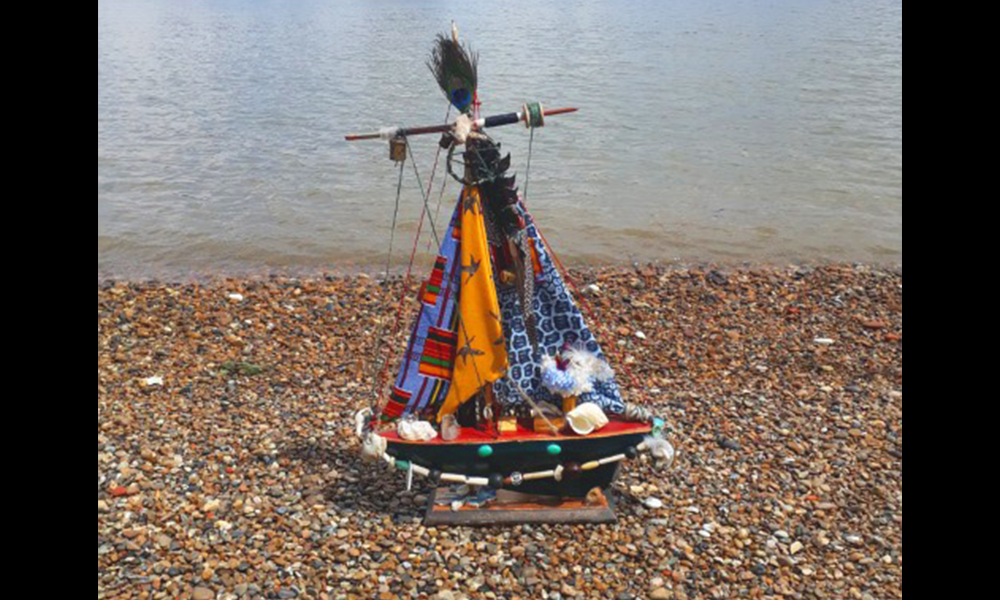
Remiiya's model boat, the Timehri on a beach on the Isle Of Dogs - image by Remiiya Badru
Remiiya’s model boat, the Timehri on a beach on the Isle Of Dogs – image by Remiiya Badru

In recent years, Remiiya has collaborated with the National Maritime Museum, making art and researching its collections to find women and people from diverse backgrounds.

She’s made a “living map” entitled Rhumblines, displayed at the Making Space in Aberfeldy Street.

She’s featured in Thames-focused documentary Time And Tide.

She’s led workshops, walks and meet-ups. 

But perhaps most revealingly she’s built a model boat, the Timehri, named for the “art and craft of man” which she’s taken for walks along the river as a conversation starter and because the journey forms part of the artwork. 

It’s been placed in Canary Wharf, on a beach on the Isle Of Dogs and on the plinth that once supported the statue of slaver, merchant and ship-owner Robert Milligan, who was the driving force behing the construction of West India Docks.

Such activities are indicative of Remiiya’s intuitive approach to the subjects she investigates – one that she’s carried over into Common Threads.

“Calico is a global cloth with a complicated narrative,” she said.

“It’s a strong cotton fabric that’s thicker than muslin, but not as thick as denim – today it’s often used to make tote bags.

“It was at the centre of an attempt to protect the British textile industry when importing it was banned. 

“The fabric was often printed and Bromley Hall (which sits just across the Lea from Cody Dock on the A12) – a building with multi-layered narratives that go back to Henry VIII and beyond – was a major producer, using copper plates to create intricate designs.”
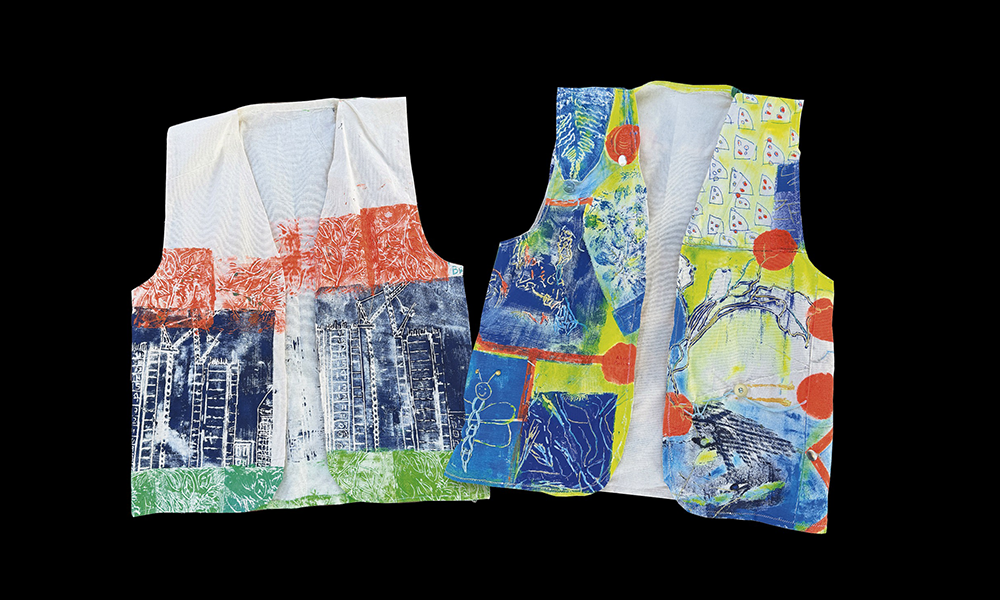
Hi-vis calico jackets created from the September exhibition - image by Jon Massey / Wharf Life
Hi-vis calico jackets created from the September exhibition – image by Jon Massey / Wharf Life

doing the research

These stories, coupled with extensive research in partnership with the V&A have all fed into a project that will be fully realised in September.

That includes making use of Prussian Blue, which was once manufactured on site at Cody Dock and was shipped worldwide from there by the Imperial Chemical Company.

“When people come to see Common Threads on September 19, I want them to appreciate all the elements of the history of this area,” said Remiiya. 

“I’ve worked with different community groups and schools to get them to think about what’s important to them and we’ve created a series of cloths.

“We’ve also made jackets in calico based on the high-vis ones worn at Cody Dock – again based on people’s personal connections to this area.

“We’re now working on a plan to display all this material across the site.

“I want people to discover Cody Dock – it’s off the beaten track, but it’s an oasis and there’s something here for everyone.

“I really like that the people here love and care for the spaces and that it’s a place where artists can hold up a mirror to history. 

“Over the months I’ve been here, I’ve felt such freedom and autonomy to work on this project and there’s been so much support.

“It’s growing and expanding and that’s really exciting – let’s see where the threads take us.”
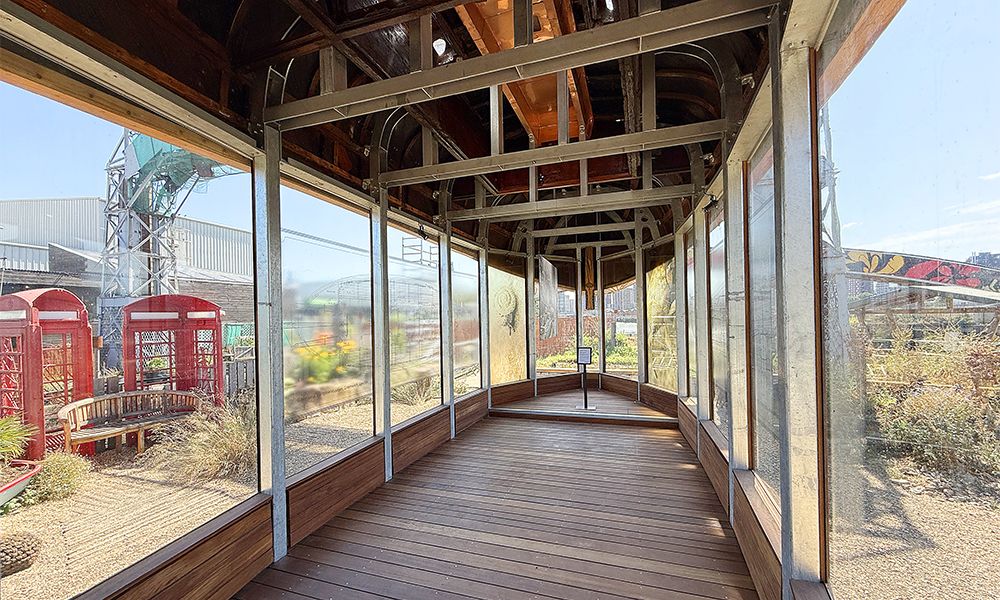

Common Threads will be the first exhibition to make use of Cody Dock's newly opened Boat House heritage pavilion - image by Jon Massey / Wharf Life
Common Threads will be the first exhibition to make use of Cody Dock’s newly opened Boat House heritage pavilion – image by Jon Massey / Wharf Life

key details: Common Threads

Common Threads will be unveiled at Cody Dock on September 19, 2026, at the ecological regeneration project’s Lighting Up The Lea event – part of the Totally Thames Festival.

The open day, runs from 11am-6pm, and includes a mix of workshops, live performances, walks, talks and a chance to see the work produced for the project. Entry is free.

Find out more about Cody Dock here

Read more: Discover the extraordinary maps and prints at Frontispiece

Read Wharf Life’s e-edition here

Subscribe to our free Wharf Whispers newsletter here

Subscribe To Wharf Life

Pirates exhibition in Greenwich will dispel myths and reveal realities

National Maritime Museum is set to host a major examination of buccaneer life both fictional and historic from March 29, 2025

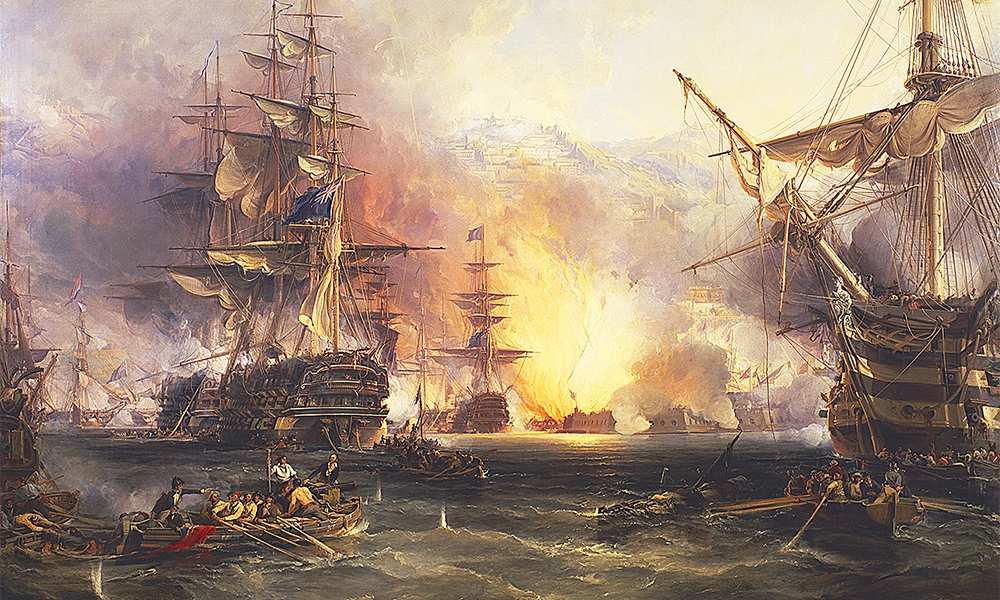
Detail from The Bombardment Of Algiers by George Chambers - image by National Maritime Museum
Detail from The Bombardment Of Algiers by George Chambers – image by National Maritime Museum

Subscribe to our free Wharf Whispers newsletter here
I loved The Great Piratical Rumbustification by New Zealand author Margaret Mahy and illustrator Quentin Blake as a kid.

The tale of retired pirate-turned-babysitter Orpheus Clinker, who descends on the unsuspecting Terrapin family with his mates for a riotous party, is clever, funny outlandish and overblown.

In some senses it’s a good metaphor for the whole topic of piracy.

We love the hyperbole in it.

Disney’s to blame, of course, for casting alcoholic rake Robert Newton to gurn his way through Treasure Island as the gravelly-voiced, one-legged Long John Silver in 1950. 

It was such a popular turn he wound up getting the starring role in Blackbeard The Pirate in the film of the same name, before returning as Long John for another movie in 1952 and a miniseries.

Then you have the fierce passion and dashing acrobatic brilliance of Burt Lancaster in The Crimson Pirate, also in ‘52. 

More recently there’s been the entertainment giant’s lucrative decision to employ a Keith Richards impersonator to carry a lacklustre franchise based on a theme park ride to financial success.

These glamorous portrayals are unsurprising.

Pirates have long been drawn as swashbuckling adventurers associated with lush islands, flamboyant dress and buried treasure.

But what’s the truth? 

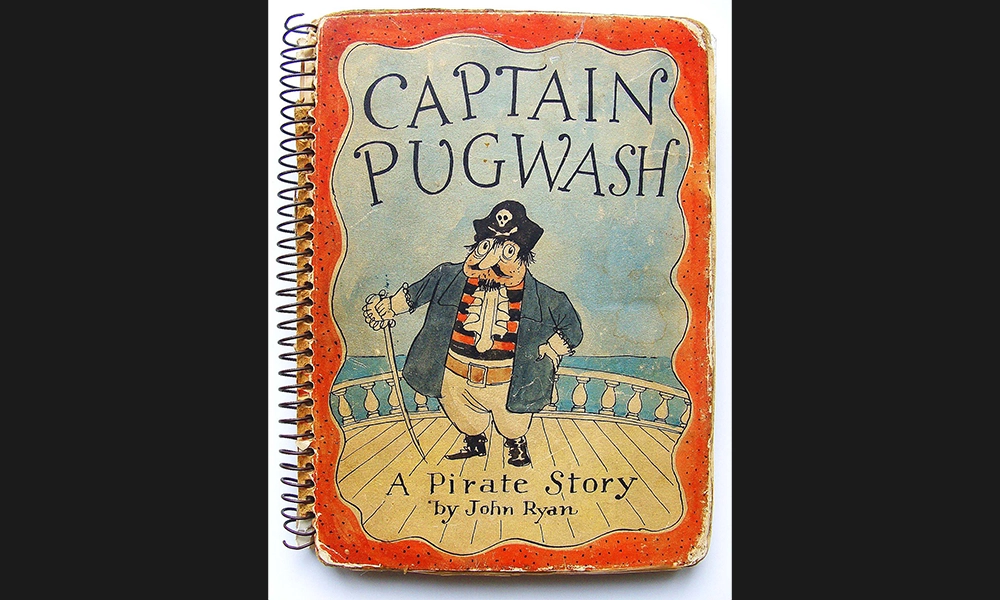
John Ryan’s cartoon Captain Pugwash first appeared in print in 1957 after 12 rejections - image by 
Isabel Ryan / Estate of John Ryan
John Ryan’s cartoon Captain Pugwash first appeared in print in 1957 after 12 rejections – image by
Isabel Ryan / Estate of John Ryan

the reality of Pirates

That’s the question asked by a new major exhibition at the National Maritime Museum in Greenwich.

Pirates promises to “deconstruct these myths and illuminate the realities” of life for the likes of Edward “Blackbeard” Teach, Anne Bonny, Mary Read and William Kidd – who ended his days at Execution Dock in Wapping and is immortalised in the name of a pub on the Thames

Taking in stories from across the globe, the exhibition will look to the Caribbean and beyond with tales from the South China Sea, the Indian Ocean and the coast of North Africa.

Visitors will be able to see nearly 200 objects including loans from the National Archives, V&A and BFI.

The exhibition will be presented in sections with the first looking at the image of pirates in fiction and considering the impact of characters such as Captain Hook and Captain Jack Sparrow as well as Long John Silver.

This includes original illustrations from hapless cartoon pirate Captain Pugwash, by artist and writer John Ryan, who began life in a comic strip before starring in a children’s TV show.

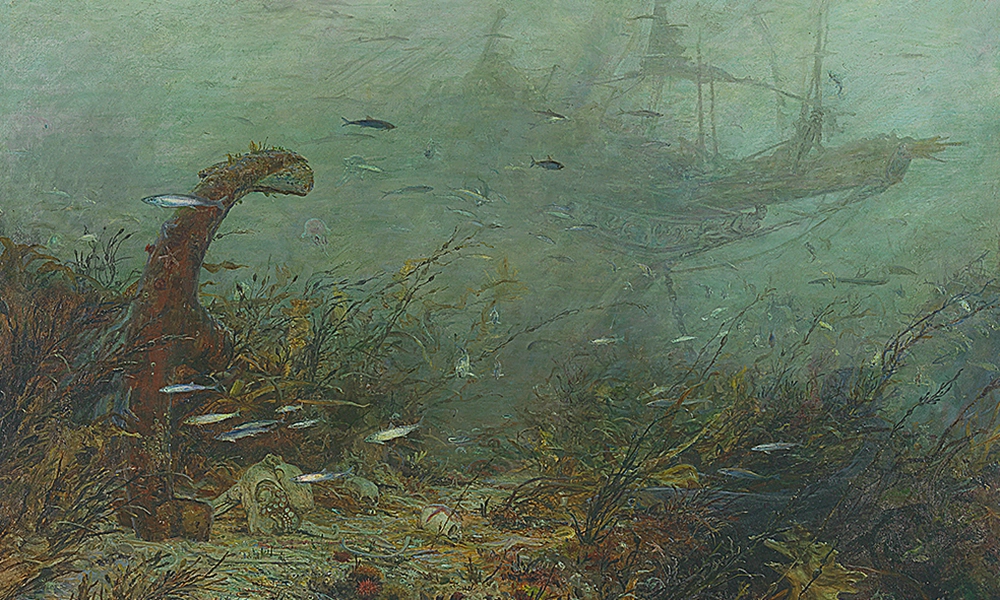
Detail from Davy Jones’s Locker by William Lionel Wyllie – image by National Maritime Museum

dispelling the fiction

“Real Pirates” will go on to investigate tales of specific outlaws and their exploits on the high seas, inspired by A General History of the Pyrates by Captain Charles Johnson first published in 1724 as the golden age of piracy came to an end.

Then visitors will see “Global Pirates” with objects selected to showcase piracy around the world including the story of Chinese captain Shap Ng-tsai who was active in the mid-19th century.

Eventually Shap’s fleet of 27 junks was destroyed in a joint action by an Anglo-Chinese squadron under Captain John Charles Dalrymple Hay and Major General Hwáng in 1849.

There’s also a focus on Barbary piracy and the Bombardment Of Algiers in 1816, when a British-Dutch force attacked the city in an attempt to resolve the problem of naval crime in North Africa.

The action resulted in the release of 3,000 Christian captives, but came at a cost, as it was more deadly than the Battle Of Trafalgar.

While the exhibition might not rise to heights of a rumbustification, nor the need to pore through a dictionary to see which words are made up, it nevertheless promises to be a blockbuster.

Apt then that Orlando Bloom’s costume from the first Pirates Of The Caribbean flick will be on show.

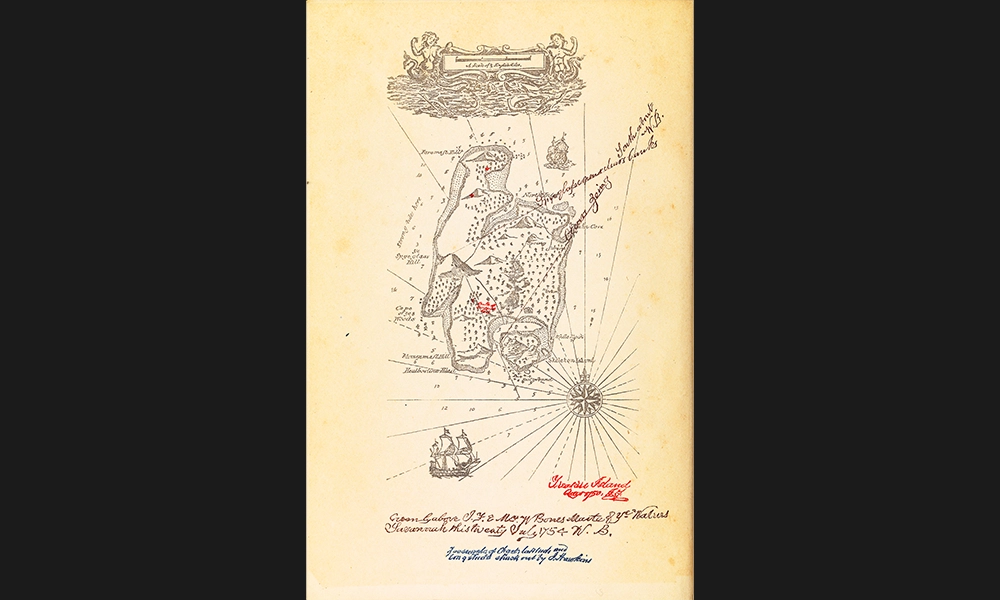
The first edition of Treasure Island, which came out in 1883, featured a treasure map drawn by author Robert Louis Stevenson - image by National Maritime Museum
The first edition of Treasure Island, which came out in 1883, featured a treasure map drawn by author Robert Louis Stevenson – image by National Maritime Museum

key details: Pirates at the National Maritime Museum

Pirates is set to open at the National Maritime Museum in Greenwich on March 29, 2025, and will run until January 4, 2026.

Adult tickets cost £15 and £7.50 for children. Entry for Royal Museums Greenwich members is free.

The exhibition is recommended for those aged 10+.

Find out more about the exhibition here

Read more: How Arc is bringing the ‘largest sauna in the UK to Canary Wharf

Read Wharf Life’s e-edition here

Subscribe to our free Wharf Whispers newsletter here
Subscribe To Wharf Life

Greenwich: Boaty McBoatface and RRS Sir David Attenborough set for Ice Worlds

National Maritime Museum and Cutty Sark will host a three-day festival to welcome the ship to London

The Royal Observatory’s Dr Emily Drabek-Maunder – image Matt Grayson

Subscribe to Wharf Life’s weekly newsletter here

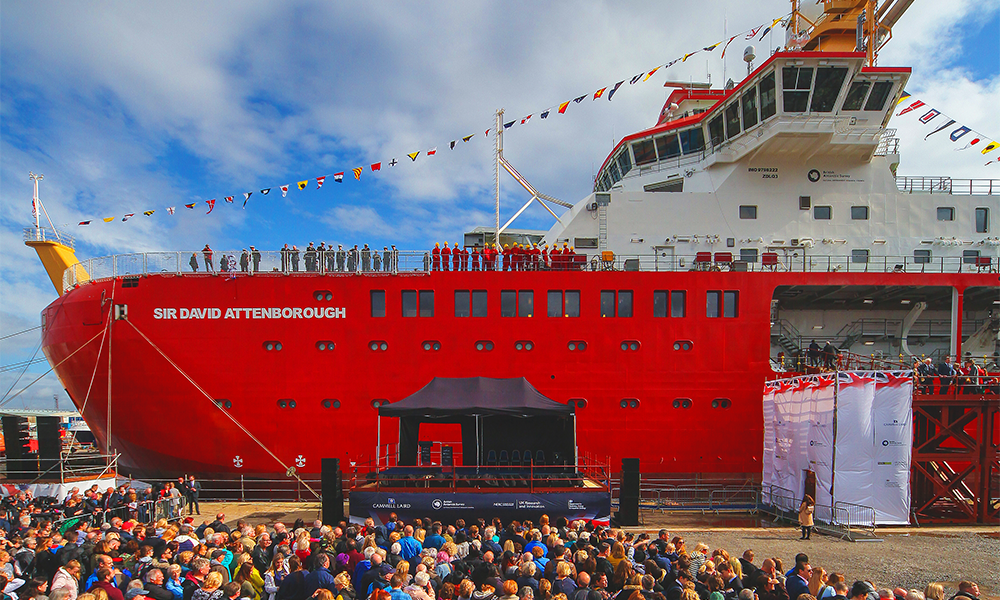
Boaty McBoatface is coming to Greenwich. The small yellow robotic submersible is set to arrive in the capital on board the RRS Sir David Attenborough as it arrives in the capital on October 27, ahead of the UN Climate Conference COP26 at the end of the month.

Britain’s newest polar research vessel’s visit to the capital forms the centrepiece of Royal Museums Greenwich’s Ice Worlds festival celebrating and exploring scientific endeavours in some of the world’s most extreme environments.

From October 28-30 the National Maritime Museum and the Cutty Sark will be awash with scientists, talks and events – almost all free to attend, aimed at revealing what it’s actually like to live and work in the Arctic and Antarctic today.

“A lot of people haven’t really met a scientist or tried to understand what they’re doing,” said Dr Emily Drabek-Maunder, senior manager of public astronomy at Royal Observatory Greenwich, who is looking after the festival’s programme. 

“That’s the most important thing when you’re setting up an event like this – you’re asking yourself how we can facilitate that with our spaces.

“Most of the research done on vessels like RRS Sir David Attenborough is funded with taxpayers’ money so everyone deserves to have its results communicated back to them and all the good that it’s doing. Talks allow us to bring the public and scientists together.”

A crucial part of that for Ice Worlds is that young people participate in the festival with a range of activities on offer across the three days.

Emily said: “The majority of the festival will take place at the National Maritime Museum – there won’t be tours of the ship but there will be the opportunity to see it from the outside where it’s moored opposite the Cutty Sark. 

“Throughout the event there will be family talks for children as young as seven and on the Saturday we’ll host some more advanced sessions for adults as well. 

“We’ll be covering topics such as: ’What is it like to live in Antarctica? How do scientists survive down there? What are the scientists studying in Antarctica?  What are the scientists trying to understand about climate change?  What’s the wildlife like? and What’s the ocean life like?’.

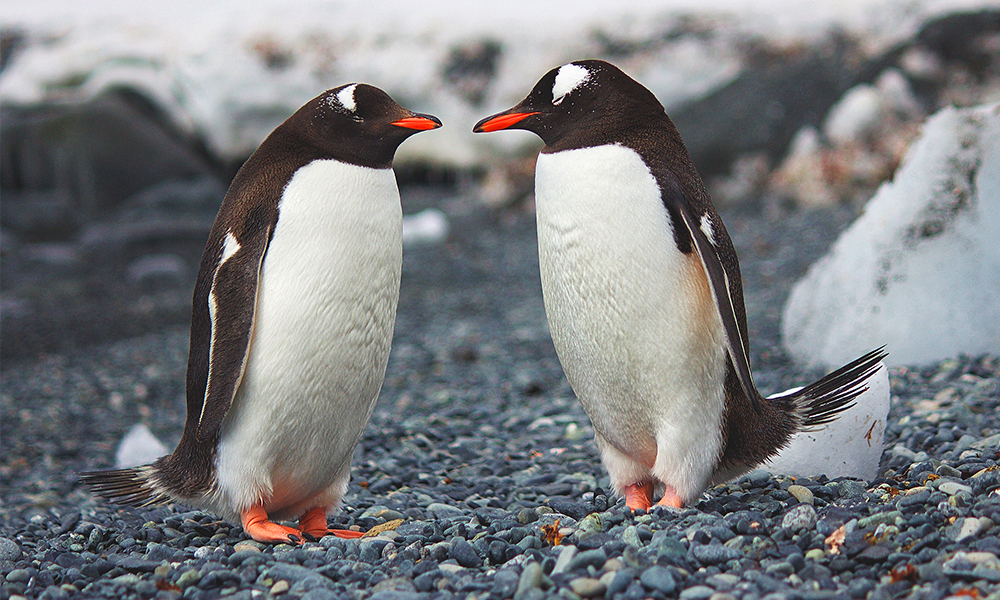
“On the Saturday from 11am-4pm, there will also be a penguin parade where we’re asking children to come dressed as penguins or to make their own costumes at the event so they can take part.

“Visitors will be able to see Boaty McBoatface itself, and also look at what the scientists are really studying, anything from climate change to how the ocean currents in Antarctica work, seeking to understand the geological history of the Earth, examining fossils and exploring ocean environments.

“The festival also includes exhibitions that will be set  up around the National Maritime Museum with scientists on hand from the British Antarctic Survey who are actually going to Antarctica on the Sir David Attenborough.

“It’s going to be really exciting and people will be able to interact with these exhibitions and see so many different things.

“ On a personal level, I want to understand how robots are used in Antarctica, and all the techniques that scientists are using to study that region – how we use technology to better understand those extreme environments.”

While Emily’s area of interest remains looking up into the sky to the planets and stars, she draws a clear link between the work of astronomers and those exploring the deep.

“From my perspective as an astrophysicist, I think there’s a massive comparison to be made between extreme environments on Earth and on other planets,” she said. 

“When you have these moons, like Europa, a moon of Jupiter and Enceladus, a moon of Saturn, one of the questions that scientists are asking is, could there be life in those oceans below their icy surfaces?

“Understanding the environments on the Earth and how life can exist in those extreme environments at the bottom of the oceans allows us to understand if life could exist on such moons and beyond.

“There are scientists aboard the RRS Sir David Attenborough studying the extremophiles that live around thermal vents on the seabed – it’s actually very warm down there but completely dark and you have these micro organisms, bacteria for example, and different types of crabs that can survive down there without any sunlight.”  

Royal Museums Greenwich is also hoping the festival sparks a desire in younger visitors to pursue a career in science, fuelled by curiosity

Emily said: “I was always interested in science when I was a kid – I was curious and asked a lot of questions as well as annoying my parents by taking pieces of equipment apart and trying to put them back together again.

“Science allowed me to keep asking questions and eventually I got to a point where nobody knew the answers and that’s the great joy of being a scientist – being able to try to figure out the answers. 

“I ended up doing astronomy because, looking up at the sky as a kid I wondered if anyone was looking back. 

“I came to the Royal Observatory because I wanted to talk to people about all the amazing things we were finding out about space.”

HIGHLIGHTS

Discover the National Maritime Museum's dedicated gallery
Discover the National Maritime Museum’s dedicated gallery

SEE | Polar Worlds

Explore the museum’s gallery dedicated to the exploration of, and life in, extreme environments.

Ongoing, National Maritime Museum

Dress up like a penguin and parade around

KIDS | Penguin Parade

Come dressed up or make your own costume before taking part in a stylish penguin parade.

Oct 30, 11am-4pm, NMM

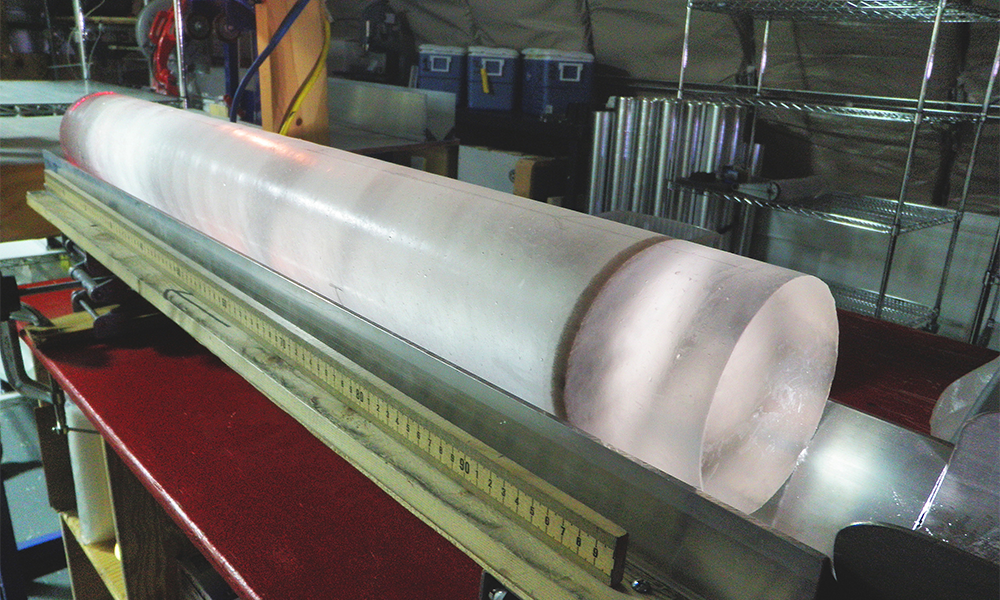
An Antarctic ice core

SCIENCE | Secrets In The Ice

Meet the scientists who drill deep into Antarctica and find out how ice cores reveal 800 years of history.

Oct 28-30, NMM

Read e-editions of Wharf Life’s print edition here

Subscribe to Wharf Life’s weekly newsletter here

Subscribe To Wharf Life