

NHG Homes

New Working Class opens Canary Wharf store to support youth

Business in the Jubilee line station for and run by young people, curates lost property to sell, creating employment and opportunity
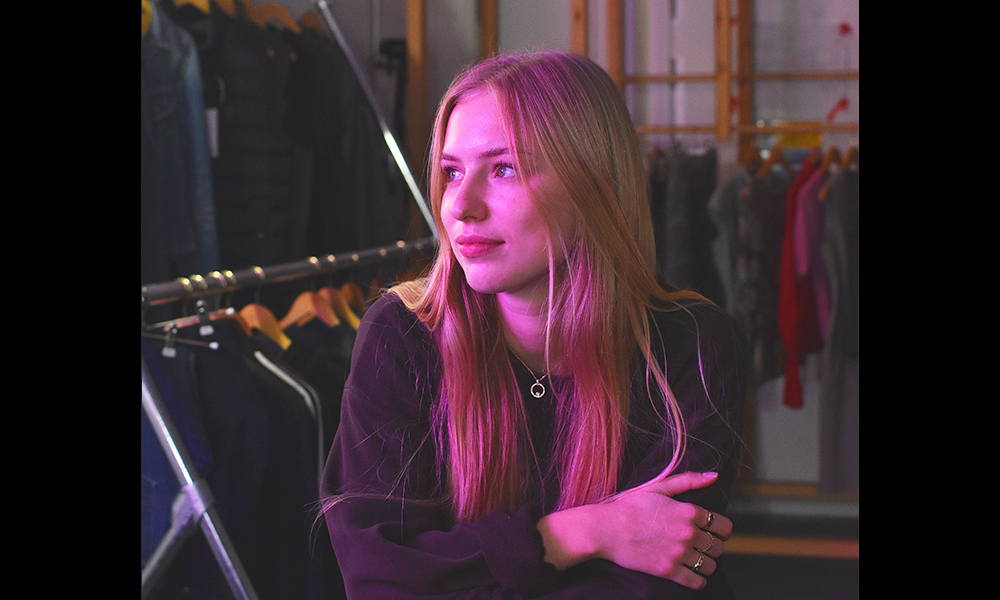
Valeriia Vozniuk is operations lead at New Working Class in Canary Wharf - image by Jon Massey / Wharf Life
Valeriia Vozniuk is operations lead at New Working Class in Canary Wharf – image by Jon Massey / Wharf Life

Subscribe to our free Wharf Whispers newsletter here

A shop with a difference has opened in Canary Wharf Tube Station.

On the face of it, New Working Class (NWC) is a business that sells curated and upcycled items that commuters and Londoners have lost via partnerships with TfL, The O2 and Chiltern Railways.

But it’s more than that. It’s an operation designed to give young people an opportunity to learn, to work and to belong to something – it’s also run by them, with profits reinvested so it can grow and reach more people.

The initiative is the brainchild of James Scroggs, a former marketing director at MTV and a serial entrepreneur who’s pursued ventures in technology, music and fashion. 

“I wear many hats professionally and I had the idea for NWC 25 years ago,” he said.

“I was working in Camden at MTV – it was just at the birth of the social web, when uploading became the new downloading and the web became the great leveller for young people.

“They weren’t being judged by the brand of their trainers or the colour scheme they were wearing – they were using the internet as a great creative blackboard.

“At the time, I was particularly struck by the number of people knocking on my door just out of education who were feeling desperately lost.

“I tried to convince my CEO at the time that we should take over a chippy next door that was constantly changing hands and turn it into a young person’s incubator, lovingly called the House Of Opportunity.

“But, politely, he said no. I parked the idea and my career moved in two parallel directions. 

“One was to get involved with and then chair suicide prevention organisation CALM – the Campaign Against Living Miserably – founded by an amazing lady called Jane Powell.

“The other was to leave MTV and get involved in entrepreneurship.

“During lockdown, I came back to the idea of young people feeling lost. I have a 21-year-old son and, while I’m not suggesting he’s lost, I feel the pain of a generation.

“I thought it would be an amazing idea to put a business on the high street that would be a safe space for young people to explore who they are at the end of their education. 

“From the start we wanted it to be transparently evident that it’s run by them, doing exactly that.

“My belief was that, if I could create a business which was literally built by young people for other young people, and you could scale it, then it would inspire others.”
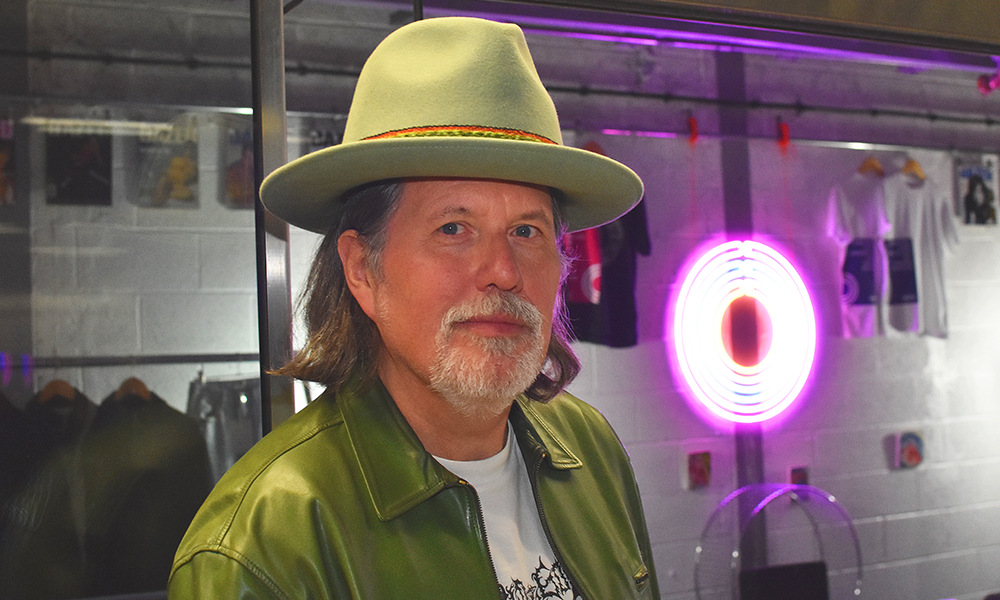
James Scroggs, founder of New Working Class - image by Jon Massey / Wharf Life
James Scroggs, founder of New Working Class – image by Jon Massey / Wharf Life

from a pilot to New Working Class Canary Wharf

Following a pilot program in Clapham, NWC recently opened its doors in Canary Wharf, having found space in the station through TfL property company Places For London.

“It started as an entrepreneurship programme – all we had was a board table and an empty room,” said James.

“I was the token old guy here not because I’m a teacher or a trainer, but because I have a feeling for what young people are and what their potential is.

“In the end, what we realised was that the most interesting part of the project would be to see how NWC could become an employer.

“A year on and we’ve done that. We’re a bona fide employer – we’re starting on that journey – and we’ll open the entrepreneurship programme in the New Year. 

“We have nine people who have been through the programme and have stayed with the business.

“All of them are thinking of ways to generate revenue so we can afford to bring in more students in the future.

“Ultimately, we want to open multiple retail outlets across London but also to build an end-to-end operation behind the scenes to not only work with our existing suppliers but also to attract new ones.

“For example, we’d love to deal with dead stock that is costing people money.”
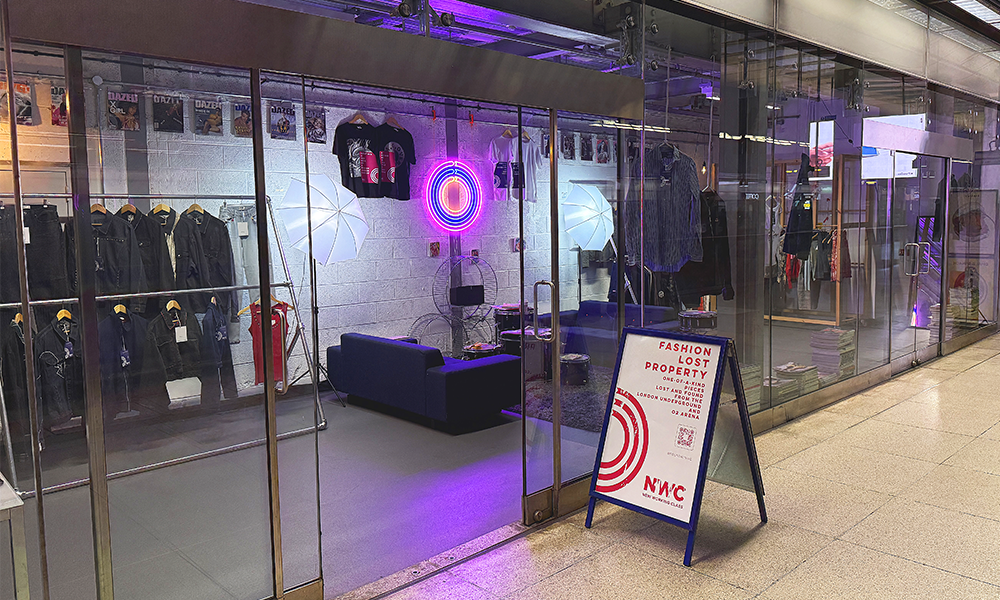
The shop is located in Canary Wharf's Jubilee line station - image by Jon Massey / Wharf Life
The shop is located in Canary Wharf’s Jubilee line station – image by Jon Massey / Wharf Life

a place where we can help ourselves

Valeriia Vozniuk, 23, is operations lead at NWC.

Forced to abandon her studies to become a vet in Ukraine by the war, she arrived in the UK aged 19, initially returning to university before leaving to embark on this opportunity.

She said: “As a young person, work experience often means low level tasks that you don’t really gain anything from, but I received the offer from NWC and thought there was no harm in trying it.

“I came to the induction and James was there, talking about his background and the learning curve he’s been on in life.

“He was being vulnerable and actually talking about his mistakes and what he’s done in business. I think something switched on in me as a result. 

“It really felt like he was looking at young people not as free labour but as assets for an organisation.

“It was to help us, but also to create something where we could help ourselves, which was something new for me. That was a year ago.

“While I started as community lead, I realised I was better at operations, so that’s my role now.

“I hope people who come in to visit don’t think this is only about young people working in retail. It’s young people creating opportunities for each other. 

“It’s generating revenue to support us and it’s a safe space for me to think about how I can contribute to the world.

“Here I don’t have to run, I can sit down and think.”
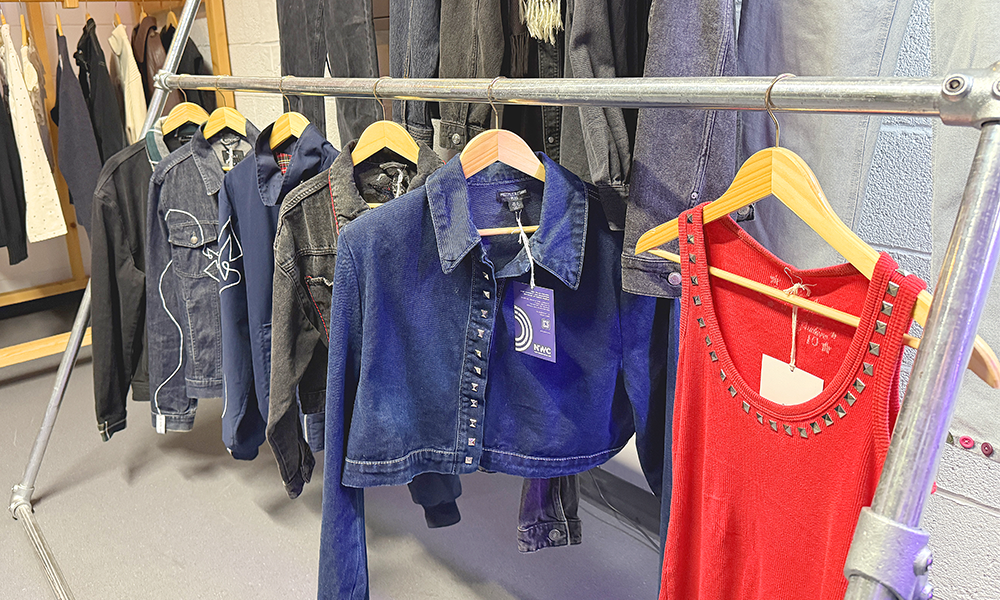
Upcylced items on sale at New Working Class - image by Jon Massey / Wharf Life
Upcylced items on sale at New Working Class – image by Jon Massey / Wharf Life

curated and upcylced

At present NWC sells clothes selected and sorted into different price brackets. Higher value items are displayed in the shop’s Gold section, while older pieces feature in its Vintage range. 

Next door to the retail space is another unit where stock is brought in, sorted and some is chosen for upcycling with work done or details added to boost its value.

Pricing is aimed at supporting the London Living Wage paid to employees.

Having officially opened its doors, the team are now exploring how the space might be used in the coming weeks and months, having already undertaken a free umbrella giveaway to create a bit of buzz. 

Ideas include hosting workshops and live music to help get more people through the door.

James said: “We are truly independent and we’re trying to do something meaningful.

“There are lots of young people who live in the Isle Of Dogs and travel through here. 

“I think we have a strong constituency to tap into here.

“We are slightly hidden here, but we’ll find our audience. 

“We’re also looking at taking in donations and we have a Vinted space, which is slow at the moment, but the ambition there is to build a marketplace in time.

“We may appoint someone to look after our digital footprint.”
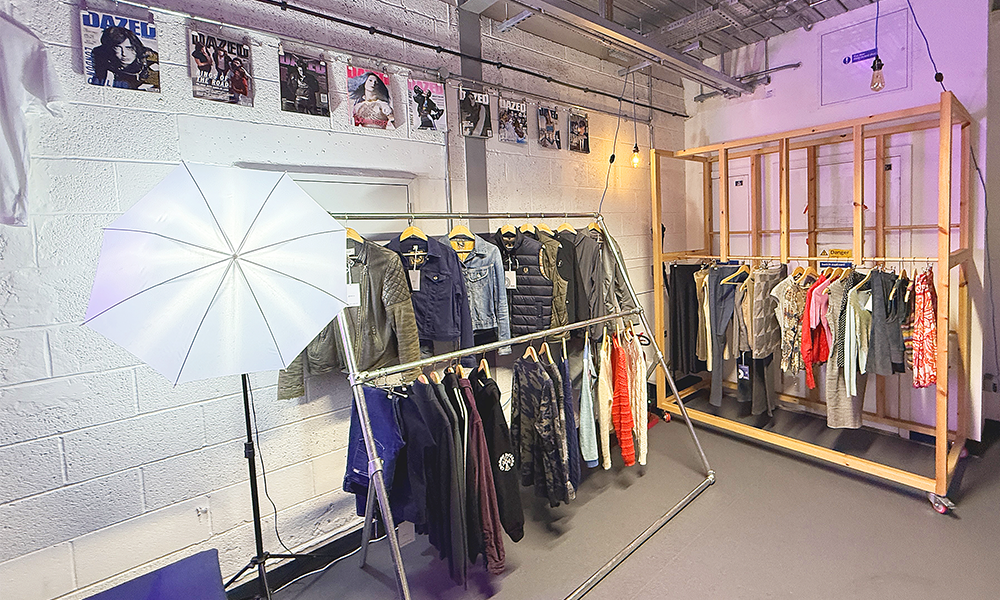
The store features higher value and vintage clothing from TfL's lost property office among other sources - image by Jon Massey / Wharf Life
The store features higher value and vintage clothing from TfL’s lost property office among other sources – image by Jon Massey / Wharf Life

finding self-worth

At the heart of NWC is its circular logo, symbolising learning, working and belonging.

James said: “There are still a few things I’m interested in, and it comes back to my mental health work.

“We’re told that we’re only as good as the validation given to us by others, but part of the mission of NWC is that I believe we find our self-worth ourselves and then you tell your story.

“That is then set in the context of a workplace which is judging young people as snowflakes, and now AI is coming along and taking a lot of those first rung jobs – the old model has essentially been blown up.

“The career path now is more like an hour-glass than a ladder. You have to ask the question: ‘Who is going to be running a business in 10 years’ time if we don’t give young people their self-worth. 

“NWC offers people the chance to try lots of different things and the beauty of the programme is that they can also self-organise.

“Valeriia put her hand up and said she was interested in studying social media marketing, so I thought: ‘Brilliant, go away and study it a bit and then come back and run our social media’. That drive to appoint herself has come from somewhere and this is a place in which she can explore it.”

As time moves on, the business may continue to evolve with other product lines already under consideration. Following TfL’s current rules, lost property must be stored for three months, but after that, NWC is free to take it and sell it.

Valeriia said: “One of our plans is to create multiple retail outlets, not just for fashion.

“Thinking about what young people are interested in beyond clothes, that might be sports equipment, for example. 

“There are so many items that get lost and TfL has some really beautiful tennis rackets.”

key details: New Working Class

New Working Class is located in Canary Wharf’s Jubilee line station to the right of the ticket barriers from the main entrance.

You can find out more about its mission and what’s on offer via its website.

Read more: Why Third Space is highlighting the benefits of resistance training

Read Wharf Life’s e-edition here

Subscribe to our free Wharf Whispers newsletter here

Subscribe To Wharf Life

Canary Wharf: How Karapincha is bringing Sri Lankan flavours back to the Wharf

Twin sisters Vasanthini and Dharshini Perumal are set to open a grab and go branch in the Tube station

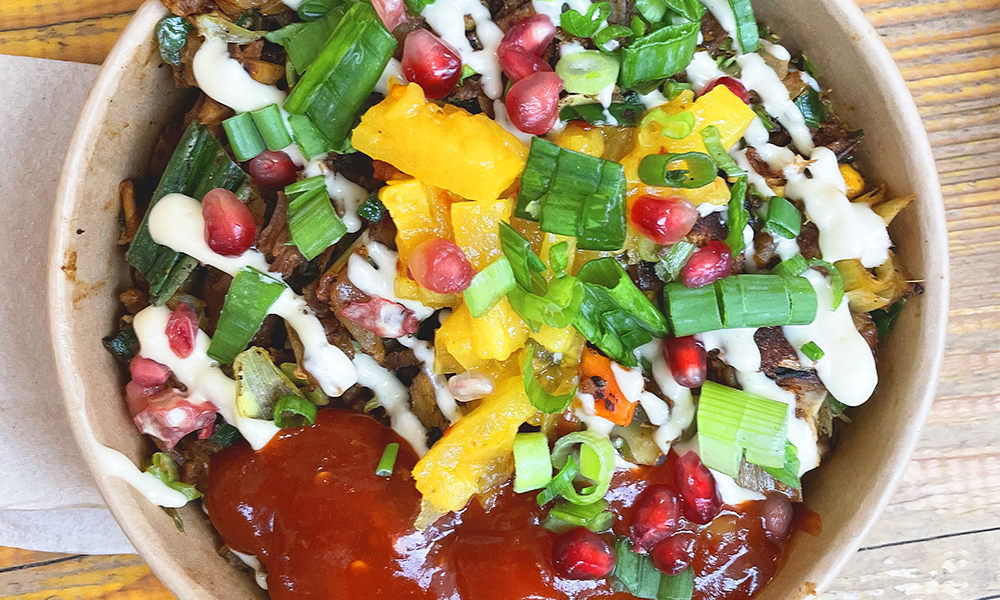
Karapincha’s freshly made Kothu Roti with lamb

Subscribe to our Wharf Whispers newsletter here

There’s spice, fire, zest and vigour in the eyes of Karapincha founders Vasanthini and Dharshini Perumal and that’s before we’ve even mentioned the food.

The twin sisters are a force to be reckoned with, boasting CVs that name-check JP Morgan, EY, Nomura, RBS, KPMG, Six Degrees Group and many more.

Accountancy, project management, finance, entrepreneurial verve – it’s all there. So why give up flourishing careers in finance to launch a hospitality business?

 “Ever since we came to the UK from Sri Lanka in 2011, we knew we wanted to create a business,” said Vasanthini.

“Some people think that with Indian or Sri Lankan food that you have to sit down and have a meal, but that’s not necessarily the case – you can convert these cuisines to grab-and-go. 

“We’d been thinking about the idea and had done some test marketing at an evening market in Shoreditch – we cooked up some food with our family and it was really nicely taken up.

“We were able to sell more than 100 portions – people really liked it. 

“Then our mum and dad got sick and we couldn’t concentrate on starting something immediately.

“In the meantime Hoppers, a restaurant in Soho, started up and I thought: ‘Bugger – they’ve got my concept’.”

Undeterred, however, and with a faith that their time was yet to come, the duo bided their time before an introduction in Canary Wharf led them in a fresh direction.

“A colleague at JP Morgan introduced me to The Limehouse – a bar and restaurant run by Fuller’s on Fisherman’s Walk,” said Dharshini.

“They loved the food, but weren’t sure whether to go ahead until suddenly everything became OK and we went to sign the contract. 

“It only gave us three weeks to get going – we didn’t have a name, any staff, crockery a menu or anything in the kitchen. Luckily we work well under pressure.”

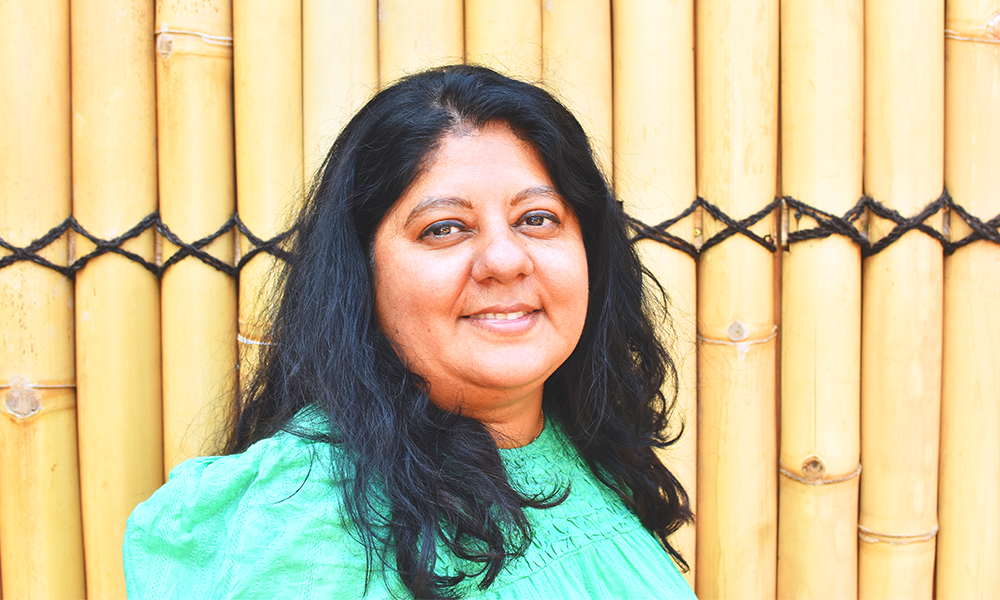
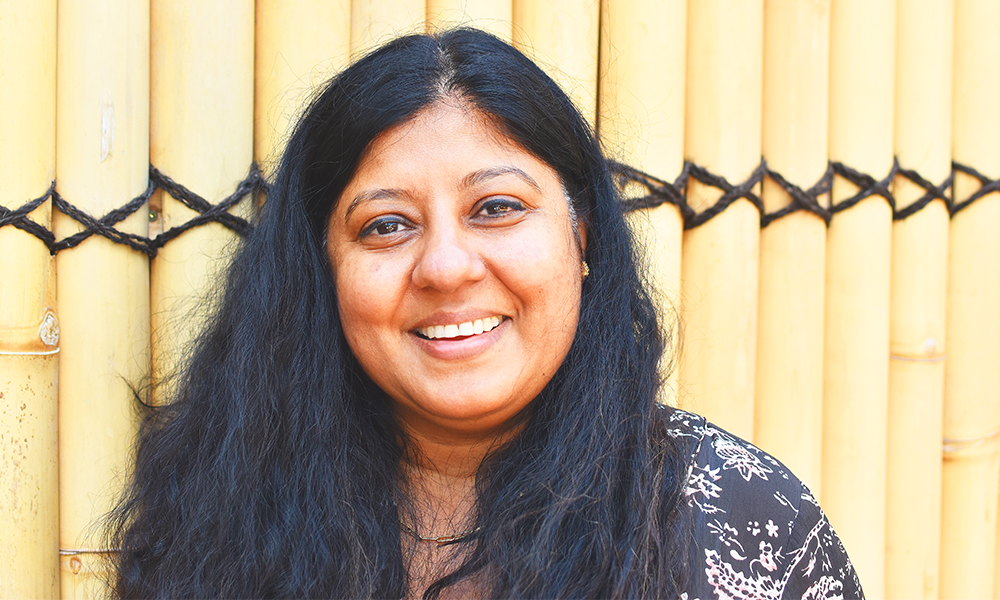
Karapincha co-founder Dharshini Perumal

Their determination won through with the twins pulling everything together to open in 2018, bringing their version of Sri Lankan cuisine to Wharfers in a 180-cover restaurant.

“Fuller’s was a really good partner for us – there was so much learning to do,” said Vasanthini.

“We had a really good partnership, learning the hygiene systems and how to organise our operation.

“They rebranded the place to match our colours – they really supported us and helped us to start up.”

The Limehouse, along with its neighbour, The Merchant, didn’t reopen following the pandemic, however, with Fuller’s deciding to leave the Canary Wharf estate.

However, Karapincha survives – running in sites at Mercato Metropolitano in Elephant And Castle and Old Spitalfields Market – and Vasanthini and Dharshini are set to bring the brand back to Canary Wharf – albeit in a different form in the Jubilee line station.

Karapincha is expecting to start trading in mid-July. 

“We’re going to be the first hospitality business to open in a Tube station where the kitchen will actually be cooking food,” said Vasanthini.

“Being in the station, we’re going to take the full opportunity to trade from morning until evening, breakfast, lunch and dinner – it’s a grab-and-go concept.

“We’ll be doing some things that are different here to our other sites because of all the offices nearby so that people will be able to come into work and eat our food.”

What won’t change, however, is the twins’ approach to the core flavours Karapincha champions.

“If you ask me where I would like to dine in London, the answer would be our place, because it’s nice comfort food,” said Dharshini.

“It reminds us of home-cooked food, just like our mother made – that’s what we always wanted.

“We didn’t want complicated, fancy stuff.

“We use a central kitchen to supply our sites, but everything is home-cooked style. We make everything we serve from scratch including the mayonnaise and the ketchup.

Karapincha co-founder Vasanthini Perumal

“It’s about conscientiously, carefully making food that is good for your health – exactly as you would if you had people coming to your house for lunch.

“That’s how we train our staff – they’re a lovely bunch who look after each other like family and a happy kitchen means a happy customer. 

“When they buy it, people should not feel that our food is from a shop.

“We also cook in front of customers so they know they are getting something fresh. 

“For example, the boys will make the paratha in the kitchen every day and we never freeze food or bring anything from elsewhere – it’s all made by us on a daily basis.”

Having had the teaser photos on the previous pages, it’s now time to talk about the food. Karapincha is proud to serve a selection of potent Sri Lankan dishes, all with the twins’ personal twist.

Front and centre is the Kothu Roti – a stir fry made with chopped roti bread, vegetables and eggs, flavoured with Sri Lankan curries and sliced up with energy as it cooks on the griddle.

Vegan, chicken and lamb versions are all available.

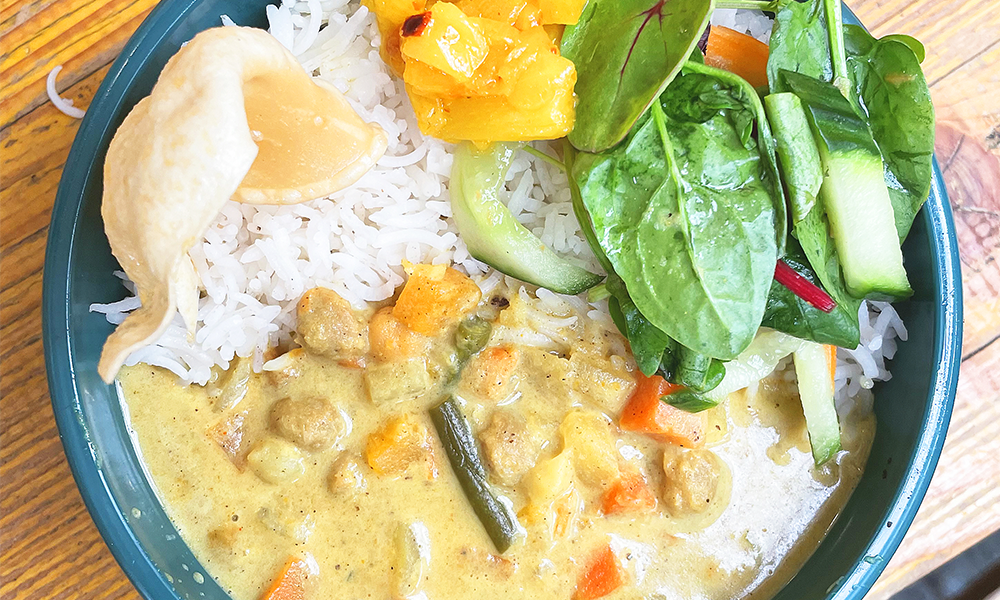
Vegan curry with rice from Karapincha

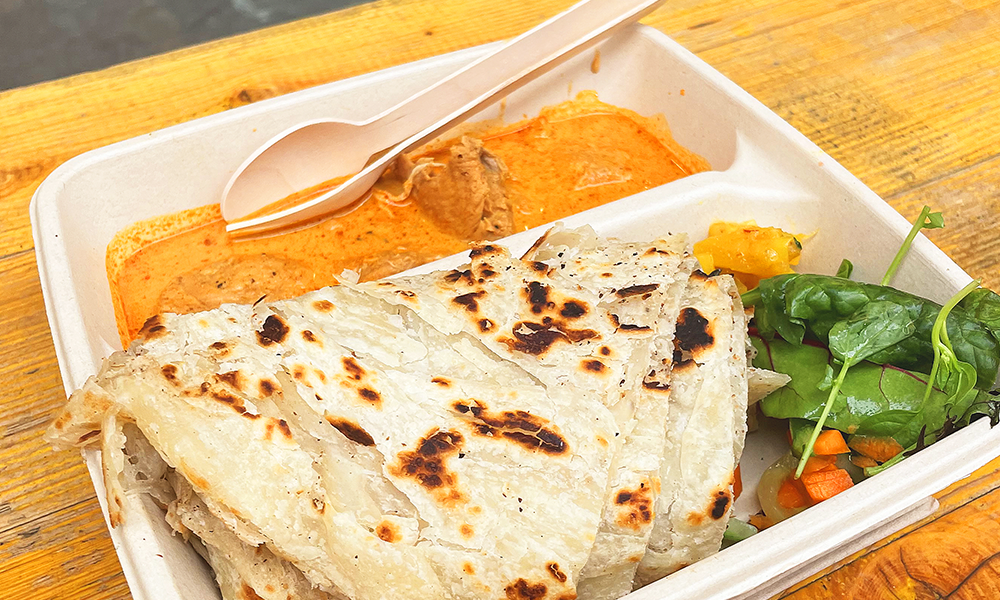
Then there’s the traditional Sri Lankan lunch of rice with curry, or how about a flaky folded paratha to dip in a rich coconut-laced sauce?

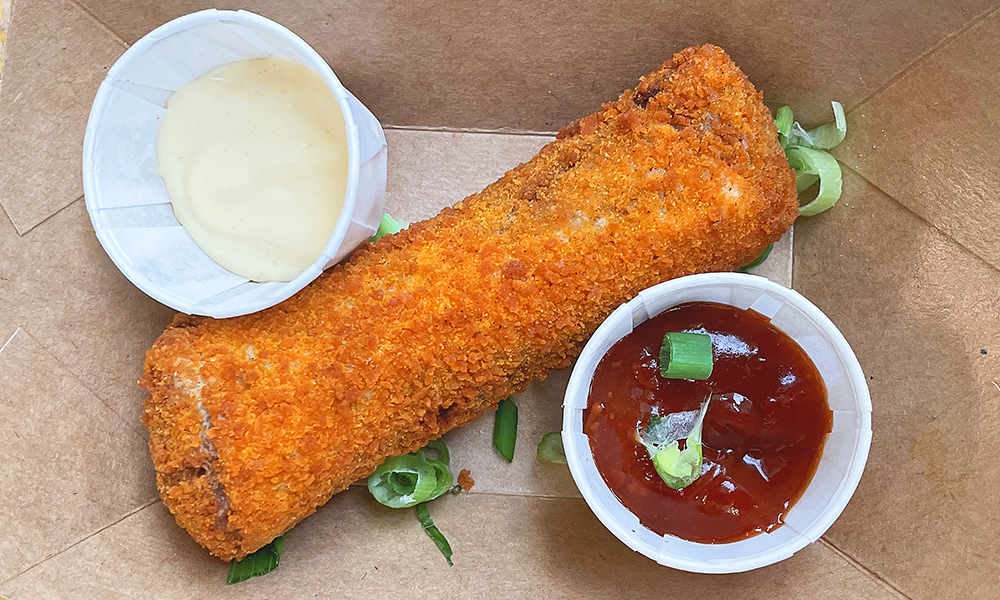
Failing that, there’s always the devilled chicken and fried rice or lamb rolls to fall back on – which all pack a punch.

When the twins first opened in Elephant And Castle, they were advised to tone down the spice a bit.

Suffice to say they ignored the advice and quickly built up a line of hungry fans eager to feel their tongues fizz from the pepper.

 “The name of Karapincha comes from the curry leaf used in Sri Lankan cooking,” said Dharshini.

“It’s all about what we like to eat – what we grew up eating and the stuff our mother taught us.

“We use her recipe for curry powder, which contains 12 ingredients in specific quantities and we import them from Sri Lanka and grind it in our kitchen.

“The island is known for the best cinnamon in the world.

“But there are some twists too – if you go to that country, you won’t find our pineapple pickle served at any of the roti street food stalls.”

A fried lamb roll from Karapincha

The twins also promise twists on bacon and egg for breakfast at the Canary Wharf store alongside porridges and even a high tea box to tempt office workers looking for afternoon refreshment. 

But then, perhaps this kind of thing is to be expected from a pair of founders who, upon discovering a local mine was up for sale in Sri Lanka, bought it and turned their hand to exporting silica quartz to Japan and Korea, growing the operation to support 100 employees before selling it to mining giant Nippon seven years later.

“It’s really fulfilling to have started Karapincha,” said Vasanthini.

“We’re really happy. We wanted to do something in the UK, so we put this in motion and it’s been functioning for four years. 

“It’s a journey and now we’re looking to take it to the next level and to operate a franchise model.

“We are slowly growing and we want to get bigger – at first within London. Canary Wharf will be our flagship now that we’re catching up after Covid.

“It’s also about the team – the people who work for us are a family.

“They’re so good, really brilliant and they never give up – and they need something to grow into.”

Chicken curry with paratha from Karapincha

Read more: How artist Mark Taylor is capturing Canary Wharf and Docklands

Read Wharf Life’s e-edition here

Subscribe to our Wharf Whispers newsletter here

- Jon Massey is co-founder and editorial director of Wharf Life and writes about a wide range of subjects in Canary Wharf, Docklands and east London - contact via jon.massey@wharf-life.com
Subscribe To Wharf Life