

WaterAid Dragon Boat Race

Stratford: How London College Of Fashion is opening itself up to the community

UAL’s East Bank campus hosts Designed For Life exhibition showcasing fashion as a force for positive change
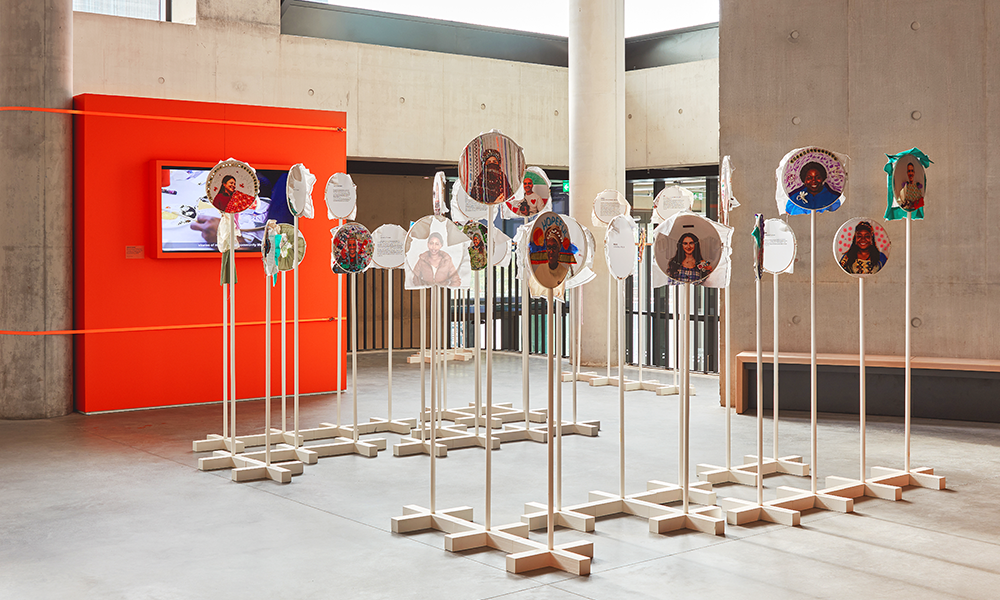
The Decolonising Fashion And Textiles Project, part of the Designed For Life exhibition at the London College Of Fashion

Subscribe to our free Wharf Whispers newsletter here

Even partially open, the enormity of East Bank cannot be overstated.

Its buildings on the edge of the River Lea may appear compact when viewed crossing the water from the Queen Elizabeth Olympic Park.

But this is largely an optical illusion due to the sheer scale of Stratford – the towering structures of International Quarter London and similar behind. 

But, if the physical space afforded to the likes of the BBC Music Studios, V&A East and Sadler’s Wells East is considerable, then the cultural, economic and psychological impact on Newham and the surrounding area is greater still.

Tom Daley splashing into the pool at the London Aquatics Centre and West Ham kicking a small round inflatable about may be sporting legacies of the 2012 Olympic Games.

But their true legacy – more than a decade later – is in the regeneration of the area and the prosperity this will bring in the long term.

How many students will walk through the doors of UCL East (part of East Bank, albeit located on the other side of the river)?

How many dancers will tread the boards at Sadler’s Wells’ new venue?

What music will be played for the BBC?

What sights will be seen at the V&A?

How many lives will now be enriched and shaped by what goes on in these buildings in a part of London that 15 years ago looked very different? 

These are tantalising questions with thrilling answers that will undoubtedly shape Stratford in the years and decades to come. 

Heartening then, that the first of the gang to open at the main cluster is already making significant early efforts to use its space for good.
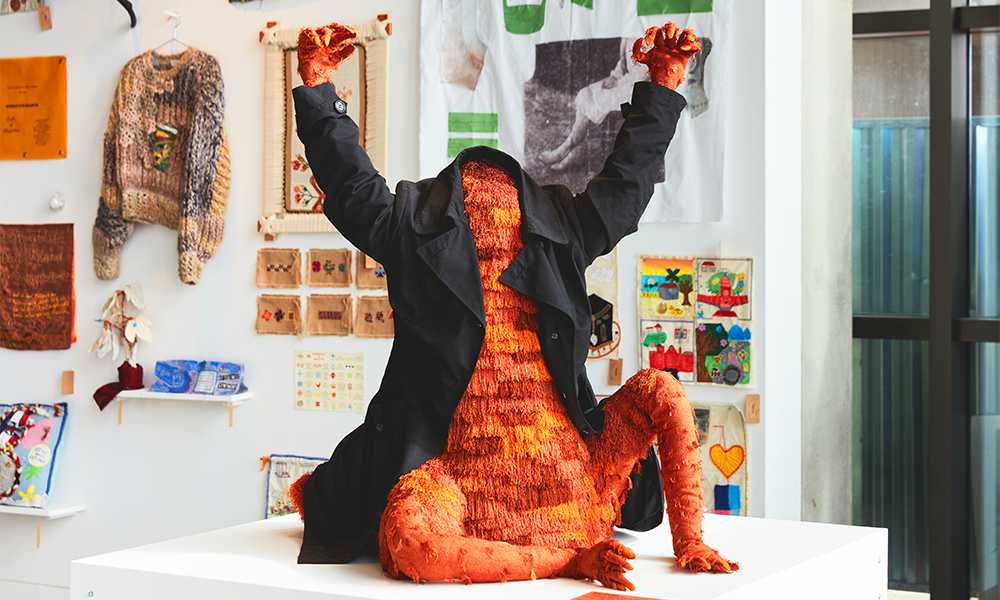
Designed For Life is displayed over five publicly accessible parts of LCF

University Of The Arts London has consolidated the London College Of Fashion (LCF) at East Bank in a purpose-built tower, which opened earlier this year.

One of its first acts has been to fill five of the publicly accessible areas of the building with Designed For Life, an exhibition featuring textiles, design, film, photography, artefacts, personal testimonies and community building intended to showcase “the transformative power of creative action in shaping our world”.

Suffice to say, there’s a lot going on.

There’s a dress made from a decommissioned refugee tent, an interactive living room reflecting the lives of people in east London, a cloth dragon in a trenchcoat, textile artworks created by migrants together with fabric portraits of them and much more. 

Far too much, in fact, for this article to do the whole thing justice. However, the feel of Designed For Life is very much of using LCF as a platform to tell stories from the area – bringing people who might not usually be represented in such a building inside and putting them centre stage. 

It makes sense, then, to focus on just one part of the exhibition and dig a little deeper into what visitors can expect to find among the swirling cast concrete staircases of the latest addition to Stratford’s educational scene.

Head down a level from the entrance and you’ll find items and a short film showcasing UAL’s Decolonising Fashion And Textiles Project.
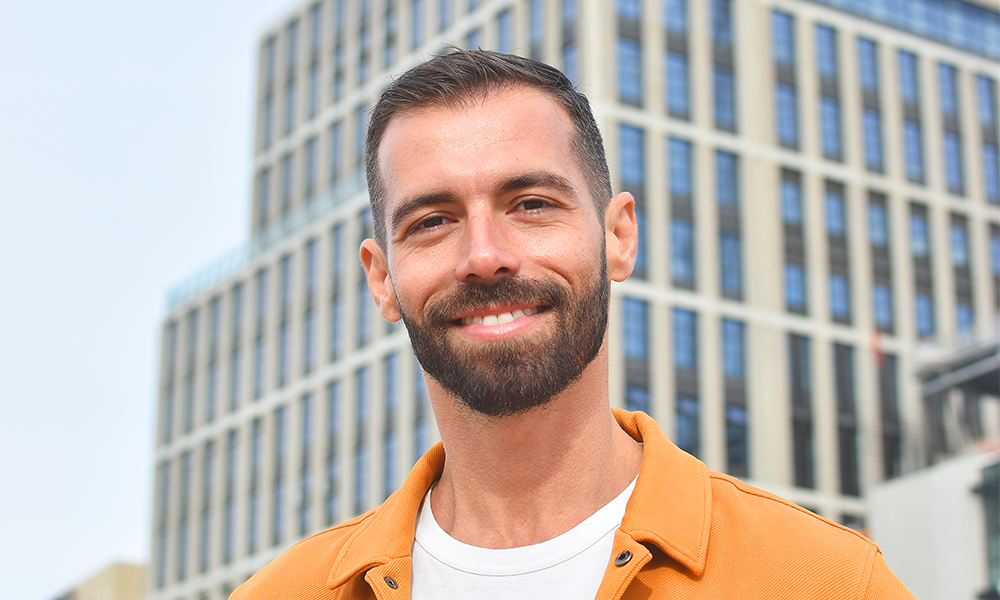
Dr Francesco Mazzarella, senior lecturer at LCF’s Centre For Sustainable Fashion

Dr Francesco Mazzarella, senior lecturer at LCF’s Centre For Sustainable Fashion, who is leading the initiative said: “The project runs for two years and has received funding from the Arts And Humanities Research Council.

“First I did some ethnography to immerse myself in the context – the three boroughs we are concentrating on – which are Newham, Tower Hamlets and Waltham Forest.

“I wanted to understand the needs and aspirations of the local communities there.

“Then we did storytelling sessions with participants who are refugees or asylum seekers based in London.

“The stories were of identity, cultural heritage and migration – but also the participants’ skills, needs and aspirations.

“In the sessions we were asking them to bring clothes, textiles and objects that meant something to them.

“We are very mindful that refugees are often interviewed, investigated or monitored, so we didn’t want to do a study of them.

“Instead, as a team we all took part by bringing our own objects as a way to share each other’s lives and also build empathy.

“People coming to view Designed For Life will see more than 40 artworks created by participants and ourselves with statements written to express our feelings.
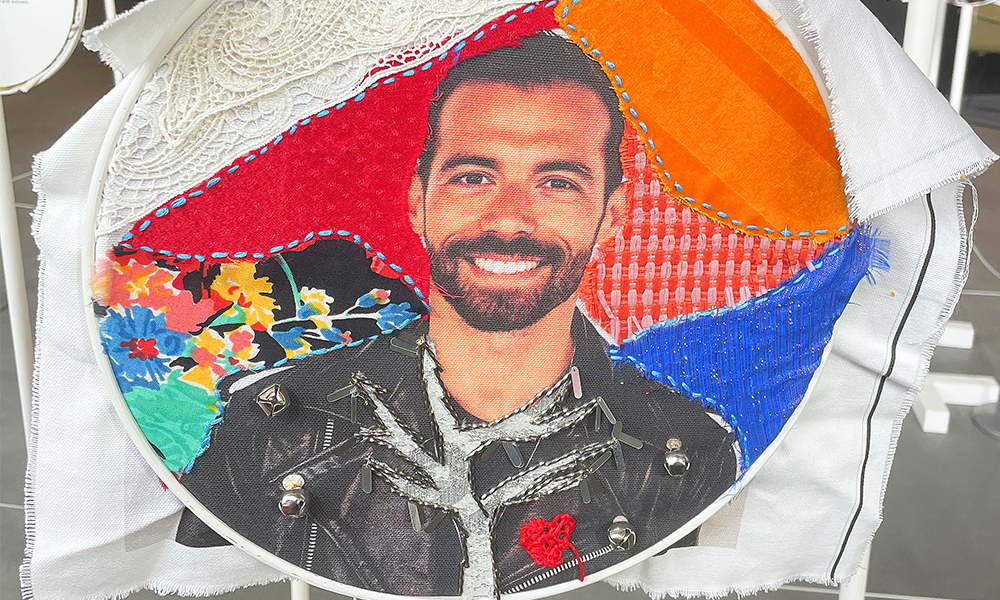

A migrant himself, Francesco created his own artwork alongside workshop participants, including fabrics to remind him of Brazil, Holland, South Africa and Italy

“It’s really a celebration of the untold stories of refugees – which are often overlooked – with the exhibition aiming to shift negative or dominant narratives to show how people can bring their skills and talents to a local community and economy.”

Francesco worked with local photographer JC Candanedo – a Catalan-Panamanian migrant who has a studio in London – to capture images of people taking part in the sessions. 

The headshots were then transferred to fabric, with participants using multiple techniques to decorate, embroider and alter them.

Each work has its creator’s statement printed on the reverse so visitors can discover more about the people they are seeing.

“What’s beautiful is that every story is unique and challenges what it means to be a refugee or asylum seeker in London,” said Francesco.

“People come here to escape from war, violence due to religion, gender discrimination or politics.

“What I like is the collective sense of all these stories – it’s bigger than the individual parts.

“The coming together of all of this gives a sense of community and the mutual support which builds for refugees.

“People participated for different reasons.

“Some were interested in fashion and textiles, wanted to learn some skills, or perhaps worked in the industry and are aiming to rebuild their careers here.

“Others just wanted to meet new people and use crafts to enhance their wellbeing – especially those living isolated in hotels in very poor conditions.

“Meeting other people has helped them to rebuild their confidence, and making new connections has helped them to rebuild their lives.
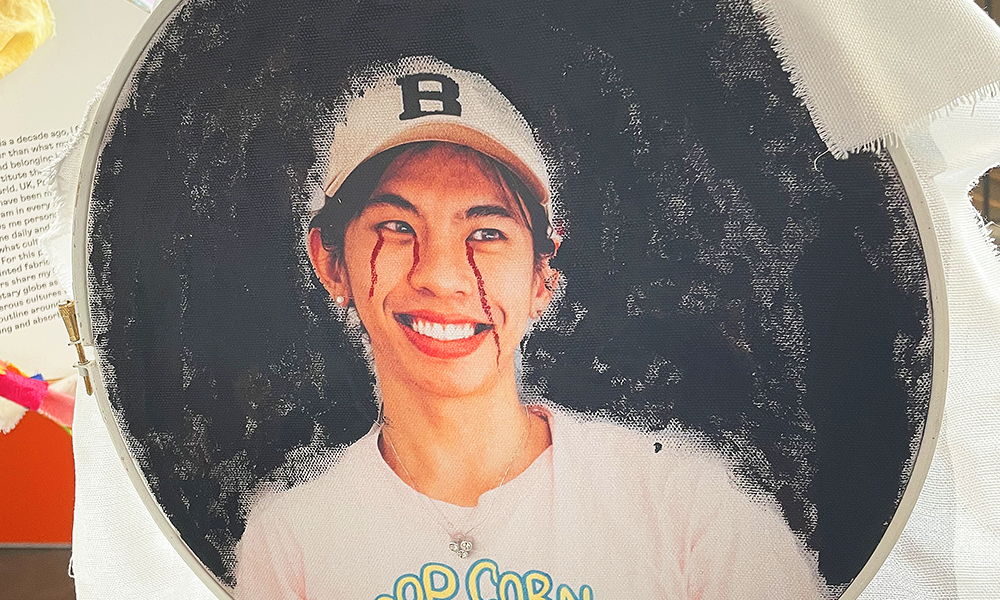
One participant created two artworks during the project, this one during a pilot session

“One participant has two artworks in the exhibition.

“The first was created for a pilot we did last summer. 

“It is very dark, with blood coming from the eyes.

“As a researcher I have tools to help people unpack their stories.

“At first she had an identity crisis about her heritage.

“She’s from Singapore and, as a trans woman, she was the victim of rape, and when she reported this to the police, she was blamed for being trans.

“She came here and joined our project.

“At first she didn’t care about fashion or want to pursue a career in fashion.

“She thought it was unreachable and not very inclusive.

“She wanted to wear more western clothes to feel more integrated into society here.

“She has very traumatic memories of her own country and wants deliberately to erase her own past. 

“All through this project we tried to highlight something small that she had which could keep her grounded, and she realised that she always wore a necklace given to her by her mum before she left.

“You can see that in her second work.

“She wanted to add some glitter to this artwork as a sense of hope for a brighter future.
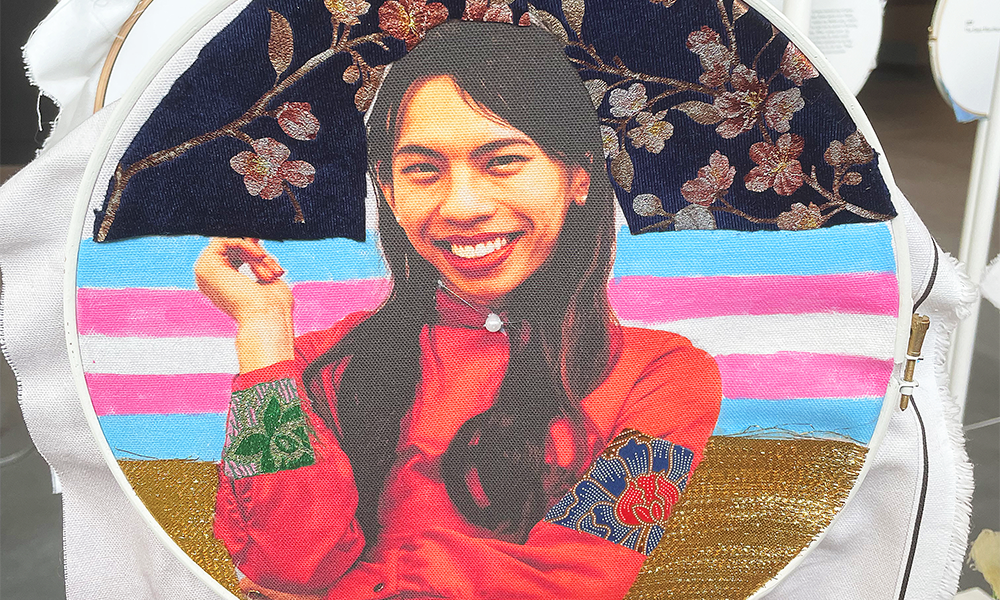
The second piece she created

“Through this process she met many other people, and now she’s volunteering for several charities and is feeling much more confident.

“You can see here that she has really embraced her gender and identity and is also tapping into different aspects of her culture and heritage by including batik from Indonesia, where her auntie is from, for example. 

“In the second piece – called Smiles And Pain – she wants to unpack what it means to be an asylum seeker, where she says that, even if we wear a smile and are resilient, behind that there is a mountain of trauma and pain.

“She also wants to say that everybody wants to be treated with tenderness and deserves love and safety.

“Refugees may not have many material possessions, but they really hold onto their material culture and their heritage. 

“Working with vulnerable people, we can’t ask them to tackle the climate emergency from a sustainability point of view– they have more pressing issues socially.

“By plugging into their heritage, however, they can start gaining agency – a voice – and make connections locally that may point to education, employment and entrepreneurship.

“That’s using fashion to drive positive change.”

Remember, this is just one of five displays covering multiple projects at Designed For Life. Set aside an afternoon to explore the exhibition fully.

  • Designed For Life is free to visit with no booking required.
  • The exhibits are available to view at LCF at Stratford’s East Bank, 10am-5pm, Tuesday-Saturday and will be in place until January 19, 2024.

Find out more about the exhibition here
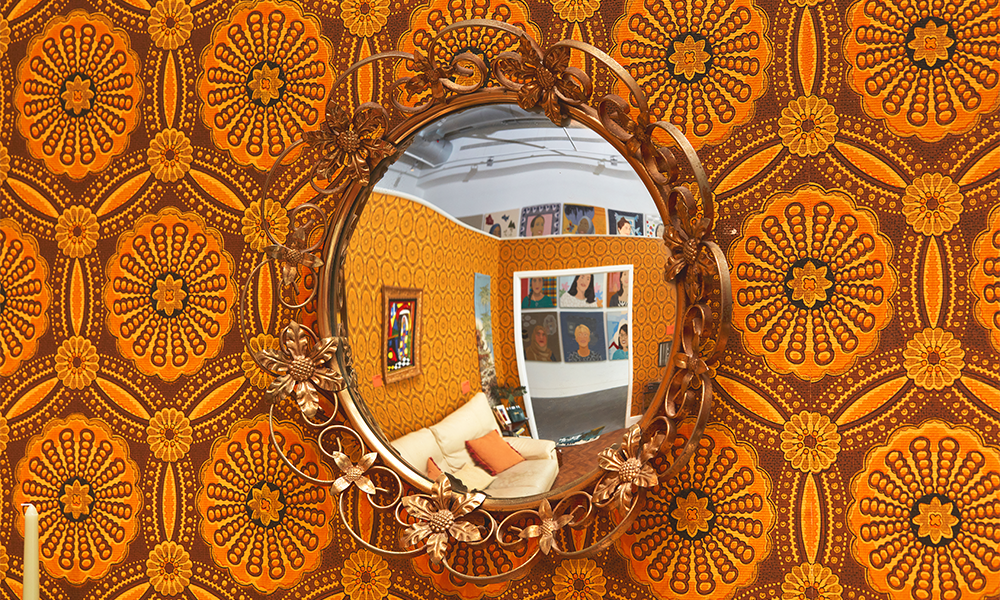
Designed For Life features a series of installations including a recreation of a textile worker’s front room

Read more: Sign up for the Santa Stair Climb at One Canada Square

Read Wharf Life’s e-edition here

Subscribe to our free Wharf Whispers newsletter here

- Jon Massey is co-founder and editorial director of Wharf Life and writes about a wide range of subjects in Canary Wharf, Docklands and east London - contact via jon.massey@wharf-life.com

Subscribe To Wharf Life

Stratford: How Alexa Ryan-Mills’s garden is set to celebrate Sadler’s Wells East

East London-based designer is preparing for her first RHS Chelsea Flower Show this May

Garden designer Alexa Ryan-Mills

Subscribe to our Wharf Whispers newsletter here

I‘m just looking out at the rain and wondering when it’s going to start warming up,” said Alexa Ryan-Mills.

While idle talk of the weather is ubiquitous in the UK, for the Walthamstow-based garden designer – and all those in her profession – precipitation and temperature are a constant preoccupation. 

That’s especially true when there’s a deadline looming and, for Alexa, the 10 days leading up to May 23-27 are fast approaching.

That’s when she and her team will create her first garden at RHS Chelsea Flower Show – arguably the biggest stage in British horticulture.

What exactly appears in that garden will, to some extent, be dependent on the weather – although Alexa said she was confident the nurseries she’s working with would have sufficient stock to provide backup options, should the mercury fail to rise to the desired level.

While Wharf Life covers neither Chelsea nor Walthamstow, the reason we are interested in this garden is twofold.

Firstly, Alexa’s design is inspired by the forthcoming opening of Sadler’s Wells East – the fourth venue in the Sadler’s Wells family, which is set to open overlooking Stratford’s Queen Elizabeth Olympic Park in 2024.

But that is still a building site at present, so secondly, there’s a more immediate link – all the plants and materials used in the creation of the garden will be donated to Sadler’s Wells associate institution School 21 in Stratford, where they will be used to improve its outdoor spaces.

“School 21 has been planning and fundraising to do this for a while,” said Alexa.

“I found out about that and we’ve now spent some time going round and identifying areas where we can put the plants after the show. 

“There are lots of different play spaces, which at the moment are quite bare, and we can get the kids involved in planting those up.

“The school also has a great design and technology department that will be able to re-use the materials too.

“For the garden we also recently decided to work with Brixton-based artist Benjamin Wachenje, who will be creating a hip hop-themed mural as a backdrop and School 21 will be able to use this as well.”

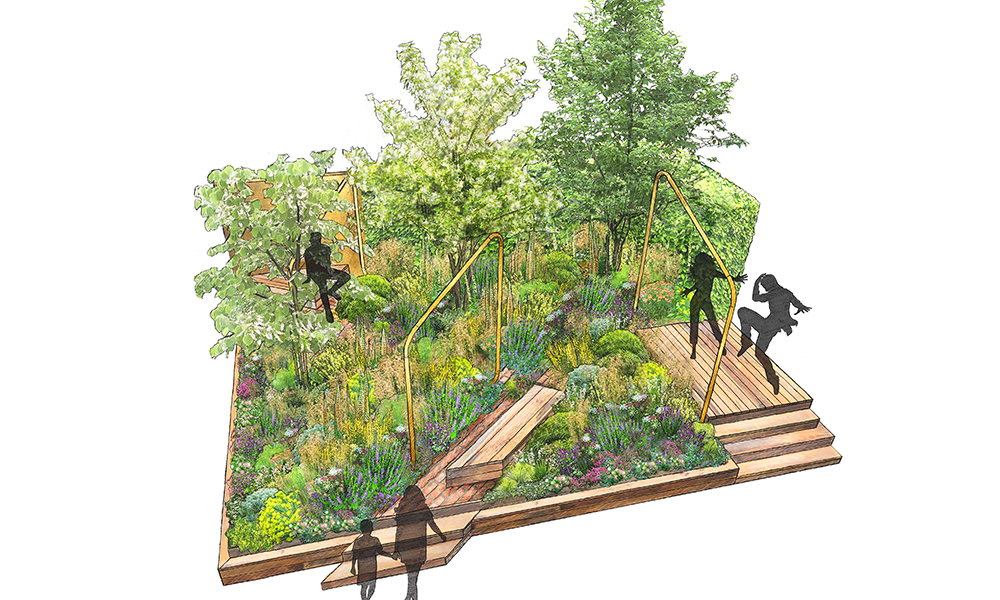
An artist’s impression of Alexa’s RHS Chelsea Flower Show garden

Before that happens, though, the garden itself must be created and shown – a project that has its genesis in Alexa’s change of direction from a career in PR and communications.

“I felt like I’d had enough of that industry and I was thinking about what to do next,” she said.

“Around the same time I met a garden designer, having just bought a house in Walthamstow.

“She designed my garden and I really enjoyed the process and thought I’d like to know a bit more about it. Before I did anything crazy and quit my job, I did some initial training. 

“That went really well and so I decided to invest more in training and that’s how I wound up starting to build a business in east London.”

Having worked mostly designing private residential gardens in the likes of Waltham Forest, Hackney and Newham, Alexa specialised increasingly in planting design, studying for a diploma in the field and collaborating with landscape architects and other designers on a freelance basis.

“While I was studying at the London College Of Garden Design, I knew I wanted to create a garden for a cultural hub and I used Sadler’s Wells as my imaginary client,” she said.

“I found out Sadler’s Wells East was set to open in Stratford, so I created a design that was related to dance – choosing plants that might have an interesting shape or ones that would self seed and move around the garden like that.

“Then I saw a call out from an organisation called Project Giving Back – a grant making charity that provides funding for gardens for good causes at the RHS Chelsea Flower Show.

“I realised I had an idea and all I had to do was persuade Sadler’s Wells. They said: ‘Go for it’, so I applied and after various rounds, got the funding.

“Then I had to apply to the RHS because you get the funding, but still have to be chosen for a place at the show itself.”

Alexa says she was inspired by the planting at the Queen Elizabeth Olympic Park in Stratford

She was successful and is now set to lay out a six-by-eight metre space under cover in the All About Plants category of the show’s main pavilion.

Featured plants will include the nodding blooms of salvia nutans and three trees, namely hionanthus retusus, styrax obassia and acer monspessulanum.

“I really wanted to make the plants the performers – the dancers – and put them centre stage,” said Alexa.

“It’s all about visitors being able to see the planting and the shapes and enjoy them from different places to sit and walk through.

“There’s a pipe-like sculpture inspired by the saw-toothed roof of Sadler’s Wells East – itself a reference to the manufacturing and industrial heritage of Stratford – that frames different views.

“I’ve chosen plants that have interesting shapes with lots of purples and limes as well as oranges. I want it to feel energetic. It’s about dance. 

“There has been a fashion at Chelsea for lots of calm, muted planting, but this design is not like that at all.”

Read more: See the moment One Canada Square was topped out

Read Wharf Life’s e-edition here

Subscribe to our Wharf Whispers newsletter here

- Jon Massey is co-founder and editorial director of Wharf Life and writes about a wide range of subjects in Canary Wharf, Docklands and east London - contact via jon.massey@wharf-life.com
Subscribe To Wharf Life

Fish Island: How From The Ashes BBQ rose to success from the desolation of lockdown

Co-founder Curtis Bell talks inspiration, meat and serving up pulled pork in a doughnut from his hatch

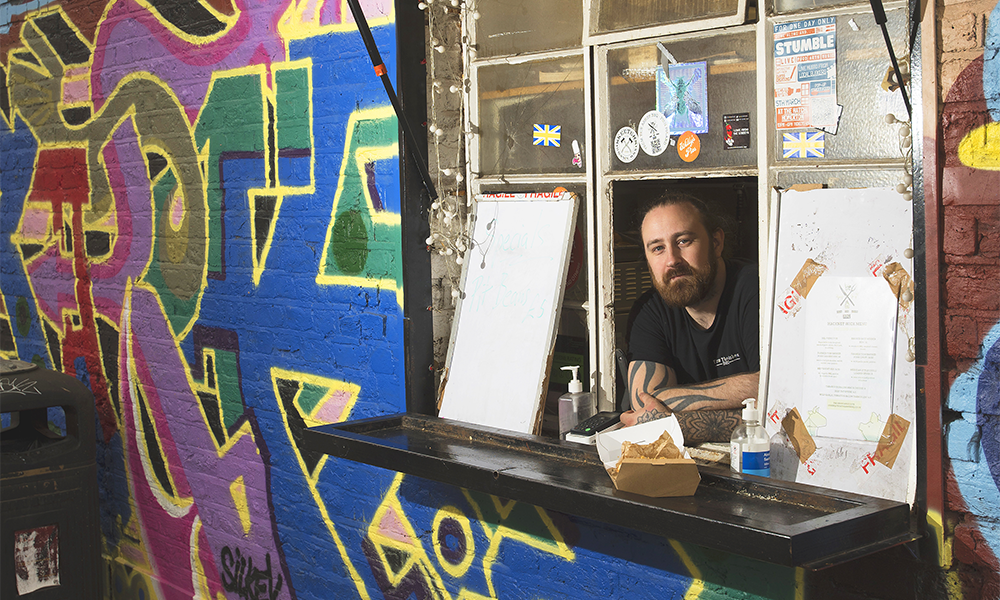
Curtis Bell, co-founder of From The Ashes BBQ in Fish Island
Curtis Bell, co-founder of From The Ashes BBQ in Fish Island – image James Perrin

Subscribe to Wharf Life’s weekly newsletter here

BY LAURA ENFIELD

Fire can be a sudden spark that ignites with a burst or a softly glowing flame that slowly smoulders.

Curtis Bell has experienced both since founding barbecue business From The Ashes BBQ in June 2020 after just a few weeks of planning.

“It was just a burning desire,” said the Swansea-born chef, with no hint of a pun intended.

“My favourite thing was always to cook on the beach. Maybe it’s a primitive thing, but I have always just been drawn to the flame. I tried doing the posh stuff – fine dining – and it just isn’t me. 

“I just like the rawness of cooking in a very direct and simple way over the flames.”

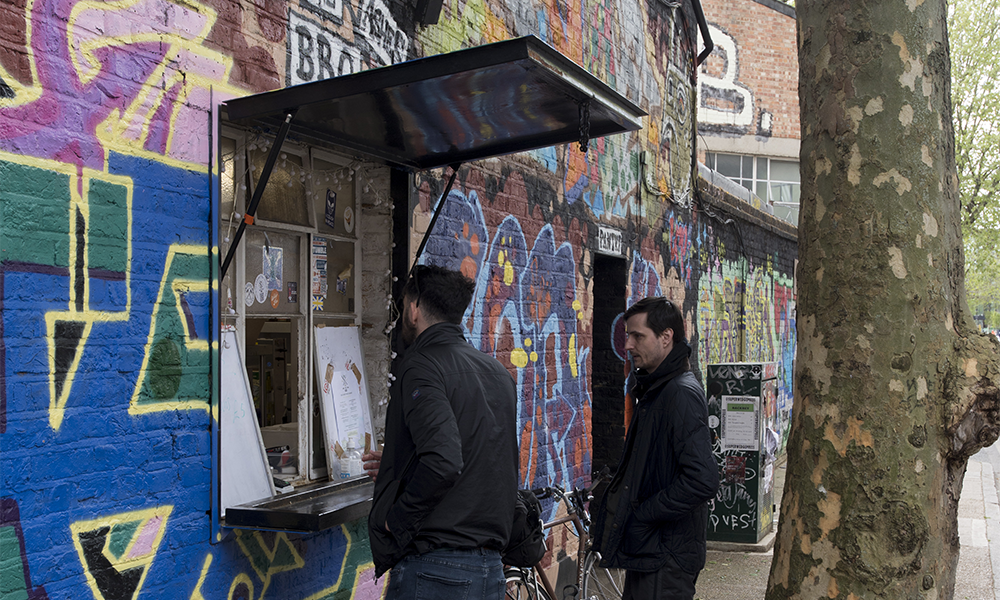
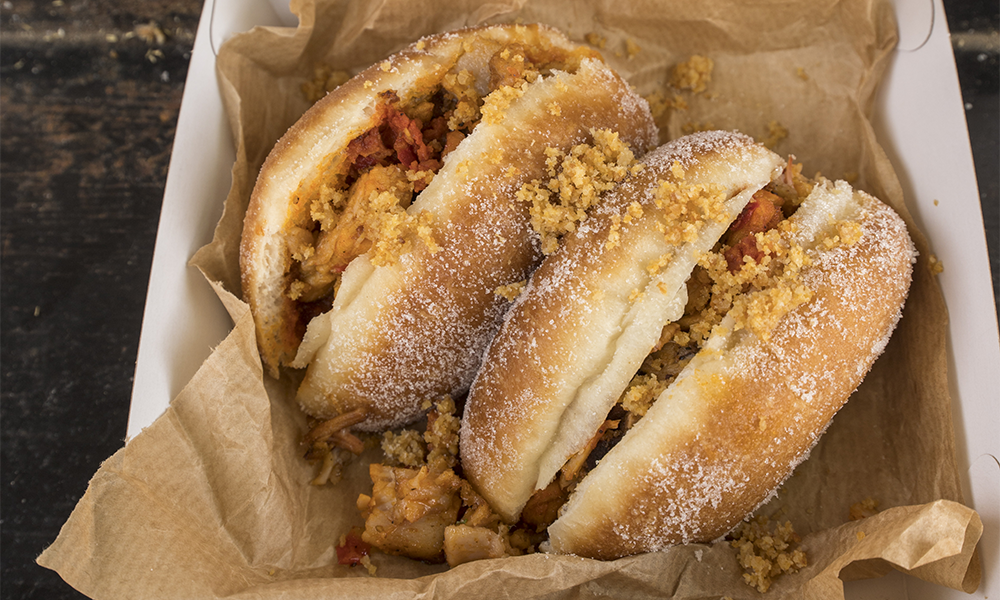
Tucked behind a hatch on Fish Island, the takeaway experienced a rush of fame in lockdown, with its salty smoked pork served in sugary handmade doughnuts.

Customers were walking from as far as London Fields to queue for up to an hour. It was a success that took Curtis and his co-founders by surprise.

“It just exploded overnight and we were getting reviews and write-ups in the papers – we had to hire staff,” said Curtis.

“It was daunting, unexpected and an amazing thing to happen out of lockdown.”

The “we” is Frank Fellows and Martin Anderson, who Curtis met when he moved to the big smoke (pun very much intended), having landed a job at barbecue joint Temper in Soho.

Until then he had followed the recipes of another renowned restaurant, Pitt Cue, “like the bible” – bosses had even offered him a job, which he wound up turning down.

“I felt like it was ‘don’t meet your heroes’ and I wanted to keep it almost as a fantasy,” said the 29-year-old.

“By then they had gone from this really gritty, basement barbecue to this corporate steakhouse for City workers and it had kind of lost its magic.”

It is that hands-on flavour that Curtis loved and wanted to capture with From The Ashes.

That, he feels, is achieved by working directly with farmers such as Farmer Tom in Herefordshire and McDuff in Scotland to source meat.

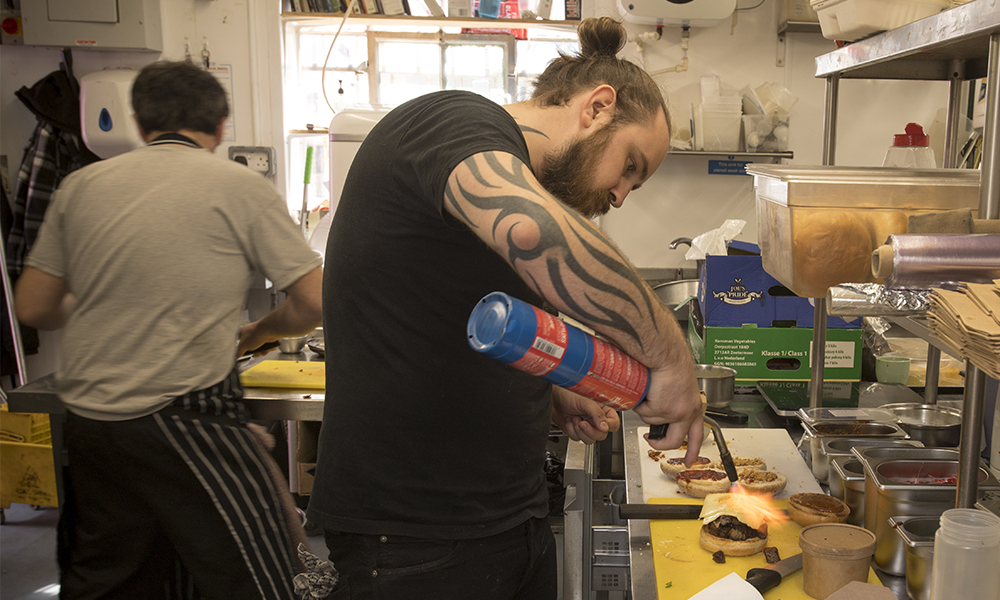
Curtis at wok in the kitchen
Curtis at wok in the kitchen – image James Perrin

The team also does most of the butchery themselves in a tiny eight foot by six-foot kitchen, so they can stick to their whole animal approach.

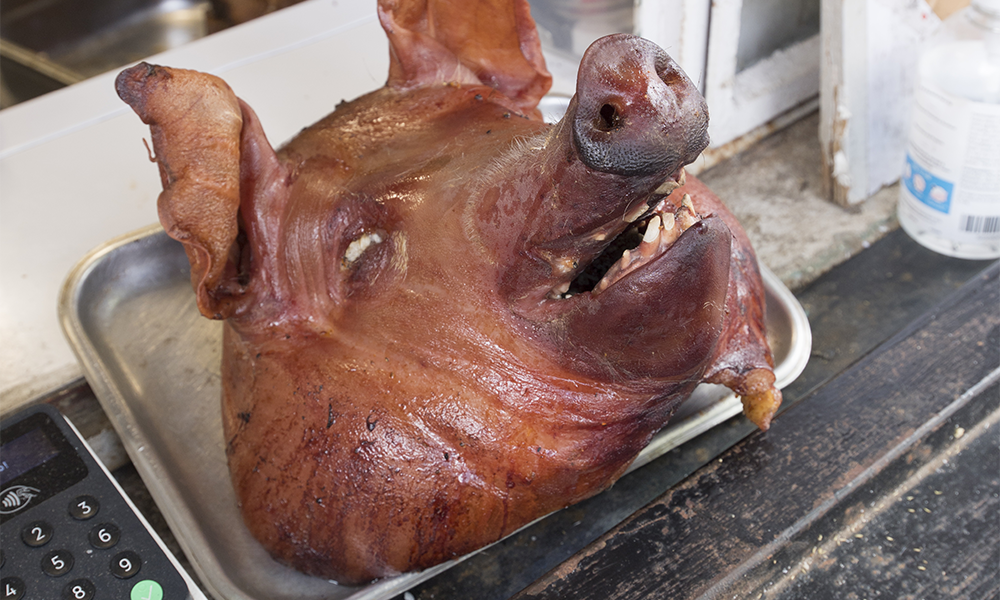
“We make sausages from the legs and smoke down the necks and shoulders and bellies and then smoke the loin like a rib roast,” said Curtis.

“We get half cows and use the bones for stock and the fat for potatoes and trimmings for mince for a special. 

“It’s not only more cost effective, it’s also a much more efficient way to cook. I think everyone needs to be cooking like this.”

They launched the business thanks to a loan from his dad and a pig from Farmer Tom who said: “Pay me when you can”.

A friend made them a smoker from recycled parts, which they dubbed “The Piggy” and they began experimenting.

“The hardest thing is patience,” said Curtis. “From seasoning it right the way through, to resting it can be 12 hours and the temptation to get into it earlier is huge. 

“It does take its toll when you’re doing big events and have to start at 6am and go through until midnight. It’s endurance, stamina and hard work.

“Sometimes you cut into it and it’s overcooked. That’s disappointing, but I will braise it down and make a brisket ragu and try and make the best of a bad situation.

“We try to avoid as much wastage as possible.”

From The Ashes serves up its food from a hole in the wall
From The Ashes serves up its food from a hole in the wall – image James Perrin

So is it worth all the effort?

“Yes, I love it – all good things come to those who wait,” said Curtis.

“You can have a steak, which takes 15 minutes to cook, or a piece of rib, which has taken seven hours. I guarantee you will be way more satisfied with the latter.

“As much as my back hurts and my legs hurt, there is so much satisfaction in the joy it brings people.

“When you put all those hours in and it pays off watching those people bite into it – it’s just amazing.”

The chance to birth his own business came when he, Martin and Frank were made redundant during the pandemic.

Curtis and Frank opened a dark kitchen for fried chicken restaurant Coqfighter and decided they should “copy the formula” with barbecue.

“The person who was renting out the Coqfighter kitchen had one on Fish Island too and we went over and had a look at it and scrambled some money for the deposit and the first month’s rent, and in we went,” said Curtis.

Martin came on board and they spent four weeks testing out recipes, eventually landing on a doughnut filled with pulled pork as their signature dish, inspired by Black Axe Mangal restaurant in Islington.

“Lee Tiernan up there is a genius and did a duck liver parfait and prune doughnut which probably changed my whole life, it was that good,” said Curtis.

“We were just toying with ideas and one day ordered some really shit Tesco doughnuts and tried putting some pulled pork in the centre of it – it just worked with the sweet, savoury, salt, smoked fat.

“A lot of people are still very cautious but, because you have every sense in your mouth, it’s perfect.

“We put it on Instagram as a draw and it worked. It was a magnet and there was a time I couldn’t open Instagram without seeing my doughnut. 

“Some people may think of it as a gimmick and are not impressed, but I find that hilarious.”

A party in June 2020 with all their hospitality mates, kicked things off for the trio and they just began opening the hatch every Friday, Saturday and Sunday.

Del Piero doughnuts ready to go
Del Piero doughnuts ready to go – image James Perrin

“People started walking up  – it built momentum and, the next thing we knew, we had queues round the block,” said Curtis.

At the peak, he was waking at 6am on Saturdays to tend to the smoker and meats and start rolling and proving the 120 doughnuts they were selling a day.

Made over two days from a laminated enriched dough, they included sweet options such as custard in different flavours and dark chocolate Hennessy and hazelnut praline.

Other creations included a smoked pork bun with pickles, sriracha Marmite mayo, smoked garlic mayo and a slaw made with hispi cabbage, fennel, apple, lime juice, walnut, jalapeño dressing and gorgonzola sauce.

They quickly attracted queues, which stretched as far as the Premier shop on Roach Road with punters soaking up the sun and free shots handed out by Curtis.

“It was just a really special time and something I would love to relive again,” he said. “But we’re back in the real world now, sadly.”

Since London went back to business, Curtis has found himself having to stoke the flames of success in new directions.

Following their early success, From The Ashes landed spots at food venues Two Tribes Campfire in Kings Cross and Kerb Seven Dials.

And their summer has a full roster of festivals, events and private parties, including Bigfoot Festival, British Summertime, Bike Shed in Tobacco Dock, Big Grill Festival in Ireland, London Craft Beer Festival and Manchester Craft Beer Festival.

Frank left in October last year to work with his girlfriend at the cafe of local company Barkney Wick, but Curtis now has a team of seven chefs and said there is no such thing as a day off for him.

“The hatch will remain open and we want it to go from strength to strength,” he said.

“We’re looking to get an outside licence so we can have benches and seats.

From The Ashes cooks up a range of meats – image James Perrin

“We now sell some craft beers and park wines, perfect for a summer day when you’re sitting on the kerb eating barbecue.”

He’s also been implementing a huge shake-up of the menu to help with the business’ longevity.

“Now summer is coming, I’m changing the menu on a weekly basis,” he said. “I ring my farmers and see what’s available and create the menu around that.

“This weekend we have got some whole smoked chicken with some wild garlic pesto, an aged sirloin with horseradish cream and roasted beef fat.

“Last week I had an aged beef meatball sub with mozzarella, parmesan and wild garlic again. We’re going to become seasonal.”

Curtis said the founders had been a bit unsure of themselves as they tried to transition from their blaze of glory in lockdown to the more even tempered real world.

“It’s been daunting,” he said. “We’re still trying to figure out what our dream is but I think it is to be a bit of a household name in London and keep on enjoying what we are doing.

“I just want to keep cooking outside and doing amazing pop-ups – happy and free. I don’t want to do anything too serious. I’ll never be the person who wants a big huge chain.”

Curtis said the pressure of running a small business was enough. They’ve never had any investors and are just about breaking even.

But with prices skyrocketing across the board, the profit margin is getting smaller.

“We are increasing our prices and I hope customers understand why we need to do that,” he said. 

“I think the next year will be incredibly tough on hospitality with everyone trying to save pennies.

“I can already feel the pressure, but hopefully, we can keep our heads above water and keep going and growing.”

Read more: How Squid Markets is bringing street food and fresh produce to Canada Water Market

Read Wharf Life’s e-edition here

Subscribe to Wharf Life’s weekly newsletter here

- Laura Enfield is a regular contributor to Wharf Life, writing about a wide range of subjects across Docklands and east London 
Subscribe To Wharf Life