
North Gate Park

Piano Piano Studio gears up for festive concert on the Isle Of Dogs

East London music school headed by Andra Kruka offers instrumental and singing lessons as well as opportunities to gain performances experience

The music school hosts special themed concerts with the next one set for December 14, 2025 - image supplied by Piano Piano Studio
The music school hosts special themed concerts with the next one set for December 14, 2025 – image supplied by Piano Piano Studio

Subscribe to our free Wharf Whispers newsletter here

Piano Piano translates from the Italian as “softly, softly” and pretty much sums up Andra Kruka’s approach to teaching children to make music.

As headteacher and founder of Piano Piano Studio, she’s spent nearly a decade in east London helping children develop their playing and singing skills as well as the joy of performing in public.

“I’m Latvian, from Riga, and I’m a classically trained pianist and harpist,” she said.

“My musical education was pretty strict and, when I came to the UK, I saw a huge difference in the mentality of the approach taken here – I really liked that it’s a lot more focused on the personal interests of the children.

“Nobody is trying to turn them into professional musicians on the spot.

“By the time I had finished studying piano and harp, I felt burnt out, which is the downside of the East European method of teaching music.

“There’s a lot of pressure.”

After coming to the UK, Andra initially took a different path, studying business and management from 2013 and then working in marketing.

Piano Piano Studio headteacher and founder, Andra Kruka - image supplied by Piano Piano Studio
Piano Piano Studio headteacher and founder, Andra Kruka – image supplied by Piano Piano Studio

creating Piano Piano Studio

“But I realised that I really missed music, so I started researching the structure of education here,” she said.

“Then I took my first steps into teaching and it’s grown from there.”

Today, Piano Piano Studio offers tuition in piano, guitar, violin, drums, singing, music theory and music production with lessons available in students’ homes or online.

“I always tried to find a balance between making sure the kids are engaged and delivering good results and that’s how I’ve developed the method we now use across all of our lessons,” said Andra.

“We give a questionnaire to the families as a basis for our journey with them – this is to identify the child’s interests, likes and dislikes, favourite movies,things like that, so we can tailor the lessons to each child individually.

“Unlike some music schools where each teacher has their own approach, we ensure all our tutors are consistent in the line they are taking and adapting to each child’s needs.

“That’s important because the kids are all different. Some are more visual, while others might learn by ear.

“Whether it’s by using different materials, exploring improvisation or using other techniques we can make sure every child is able to succeed.

“We might start the younger ones on the Associated Board Of The Royal Schools Of Music (ABRSM) or Trinity College exams, but think again when they get older.

“Instrumental practice might not be a priority later on, so we offer different options such as Rock School, where you can do keyboard certification with fun pieces and backing tracks.

“There’s always flexibility to find a personalised solution – parents might want their child to do the more traditional exams and we can find a compromise that keeps the pupil interested.

“I’m a teacher myself, but I’m also a methodologist, constantly researching different approaches and trialling new techniques to make sure we’re offering the best education possible.

“Having a shared approach like this with all the teachers also creates a community feel, even though the lessons themselves are one-to-one.”

The music school uses a wide range of techniques to help children learn - image supplied by Piano Piano Studio
The music school uses a wide range of techniques to help children learn – image supplied by Piano Piano Studio

showcase concerts

Bringing people together is important to Andra for a number of reasons.

Piano Piano Studio currently teaches just under 60 children and regularly puts on concerts aimed at both entertaining the youngsters and giving them a platform to get used to performing themselves.

Andra said: “We had our first concert in 2018 – it was just my students at that time and it was Disney-themed. I wanted to make sure it was relevant to the children so that they could have fun and dress up as their favourite characters

“It was a great experience, everyone enjoyed it, and since then we’ve organised several more including events at The Space on the Isle Of Dogs and through them at Crossrail Place Roof Garden in collaboration with Canary Wharf Group.

“Then we came up with a new concept when I saw a huge demand and interest from families.

“We now open up slots from external players as well alongside offering fun activities.

“Our next concert will be The Polar Express at The Space on December 14, 2025.

“There will be student and guest performances, face painting, balloon modelling, a magic show, games with the audience and a special guest.

“It’s a fun environment and it’s a chance for the children to get on stage in an easygoing environment.

“I feel that the earlier musicians do this and have a positive experience, the easier they will find performing.

“Learning an instrument can be a lonely activity, because you have to practise by yourself.

“Having these group gatherings where they can be with other children in the same boat and can see different levels as well is so important.

“We go from Twinkle Twinkle Little Star up to pieces for grades seven and eight.

“At the end we intend to have a performance by a professional pianist so that children can see what the instrument can do.

“These things can be inspirational. The children who perform get a certificate and receive applause. 

“In some cases they might only have had a few lessons but they don’t have to wait years to touch a grand piano on stage.

“The concerts are big family events, and anyone can come, so, afterwards, we get loads of requests from the parents of new students.

“I believe we are all born to be musical and everyone can find their own way to express themselves through music.”

Students of all levels get a chance to perform at the concerts - image supplied by Piano Piano Studio
Students of all levels get a chance to perform at the concerts – image supplied by Piano Piano Studio

key details: Piano Piano Studio

Piano Piano Studio’s next concert – The Polar Express – is set to take place at The Space on the Isle Of dogs on December 14, 2025, from 11am. 

Tickets cost £10 for adults and £8 for children.

These can be booked via email to admin@pianopiano.uk.

In-home lessons cost £52 per hour with a visiting teacher or £42 for online sessions.

However, Andra and the team work out an appropriate lesson length with parents which is often less that 60 minutes, especially for younger kids and beginners.

Find out more about lessons here

Piano Piano Studio takes over Crossrail Place Roof Garden for a concert - image supplied by Piano Piano Studio
Piano Piano Studio takes over Crossrail Place Roof Garden for a concert – image supplied by Piano Piano Studio

Read more: Why a degree in hospitality and tourism can boost your career

Read Wharf Life’s e-edition here

Subscribe to our free Wharf Whispers newsletter here

Subscribe To Wharf Life

Peter Pan flies into Greenwich Theatre as panto season returns

Anthony Spargo takes on writing and villainous duties once again as the venue’s storied team take on Captain Hook vs the boy who never grew up

Veteran villain Anthony Spargo returns as Captain Hook, having penned his version of Peter Pan - image by Jon Massey / Wharf Life
Veteran villain Anthony Spargo returns as Captain Hook, having penned his version of Peter Pan – image by Jon Massey / Wharf Life

Subscribe to our free Wharf Whispers newsletter here
Anthony Spargo is relishing a weekend off.

The veteran villain, panto writer and performer is enjoying a 48-hour period of calm before the onslaught of final tech run-throughs and then opening night for the latest festive show to flow from his pen at Greenwich Theatre.

This year’s show – which kicks off on November 28, 2025, with two performances most days until January 11, 2026 – is in some senses all about the passage of time and how we adapt as we age.

Peter Pan: A New Pantomime Adventure is again written by Anthony and sees him take the venue’s stage for a 12th season as the main antagonist.

“Captain Hook and King Rat are the two best villains in panto,” he said.

“I’ll be using the same hook I wore at Greenwich when we did Peter Pan about a decade ago to play the former.

“I’ve kept it safe all these years just in case the Captain was ever set to appear again and – lo and behold – he has.

“It’s a really good one, made of metal with a leather surround, and it’s brilliant to point with and threaten people.

“It makes you feel a little bit evil, which is delicious and the fact I get to wear a really enormous hat helps too. 

“The show contains the juxtaposition of the boy who never grows up and Captain Hook who’s afraid of growing old and the passing of time.

“Without getting too dark, it’s about the inevitability of death.

“Writing the show is about balancing those two things out – it’s a really interesting subject and a theme to play around with in panto.

“The story follows the search for the secret of Peter’s eternal youth.

“Hook is hell bent on finding it out.

“He and henchman Smee discover a map to a location that may well be the source of Peter’s power – so of course he’s obsessed with finding the X that marks the spot. 

“Naturally, Peter, Tinker Bell, Wendy and all the rest of the Lost Boys are there to try to stop him – but will they be successful?

“Then as a writer it’s about getting the mix right.

“Hopefully it’s a really fun show and anyone who’s familiar with our pantos won’t be disappointed. 

“Things, as always, get slightly bizarre in act two – we always try and take the audience somewhere completely unexpected. 

“The first half is always about setting up and introducing the characters.

“When that process is complete, you can start to really have fun.”


The panto features a Jolly Roger set - image by Greenwich Theatre
The panto features a Jolly Roger set – image by Greenwich Theatre

heroes and villains

The main character energy is duly divided up with Samuel Bailey returning to Greenwich as Peter Pan after a successful stint as the titular Dick Whittington last year. 

As usual, the creative team of James Haddrell as director and “Uncle” Steve Markwick as musical director will be working tirelessly to ensure the theatrics and songs land with audiences. 

“We’re thrilled to have Sam back because he’s just such a natural panto performer,” said Anthony.

“It’s in him – he knows how to deliver the material and just how to pitch it for all the family.

  “He’s got a great voice and he can dance too – he’s a fantastic all-rounder – and he’s playing youth, imagination and adventure.

“In contrast, I’m getting on in years now and I’m starting to feel that on stage, which is a good fit for Captain Hook – although like a fine wine I’m just getting better with age.”

The hero and villain both have their team of backers with Olivia Williamson taking on the role of Tinker Bell.

Anthony said: “Tink is there for the kids. Her lines are full of Gen-Z slang, which has been great fun. I didn’t understand half of it, but 

“My brother’s eldest daughter has just turned 14, so she’s just the right age to help me out. It’s all gobbledegook to me, but she’s been translating when we Google the slang and I think younger kids will really get it.

“As Peter mirrors Hook, Tinker Bell mirrors a character called Starkey, who’s played by Paul Critoph who was last in Greenwich panto nearly 10 years ago in Cinderella.

“He’s a salty old sea dog who’s wise but perhaps one step behind everybody else.

“There’s great fun to be had by bringing a full spectrum of ages on stage and having a laugh with that.”

Also on Hook’s piratical crew, Louise Cielecki returns to the Greenwich stage as Anthony’s hapless sidekick. 

“She’s playing Smee – there was no other role for her,” he said. “We get on so well and we enjoy performing together. 

“We tune into each other quite quickly and can half-guess what each other will be doing on stage. 

“It’s great fun to be mucking about and improvising with her again.

“When I was writing it, I had her in mind and she’s brilliant at it, playing the bumbling buffoon albeit with an amazing singing voice. She’s a great all-rounder too.

“At Greenwich the panto just gets bigger and bigger every year.

“For me, when I’m writing it, it’s always about entertaining the audience – I always have one eye on what I think they’ll enjoy.

“That’s true for Uncle Steve and James too.

“We really want to give people a good time over Christmas. People can forget their worries for a couple of hours and escape to the magical realm of the panto, which this year happens to be Neverland.

 “We have some fantastic sets including an amazing pirate ship.

“The Jolly Roger is there in full splendour – it’s one of the largest sets we’ve ever had.

“As an actor, it’s the kind of set you can’t wait to get on board and be a bit silly on.

“We’ve been in tech rehearsals for the show with full lighting, pyrotechnics, puppetry and sound – the whole works.

“Even when we have a bit of time off, the stage crew don’t rest.

“They are still there, tinkering, fixing, mending, building and tweaking things.

“We have an incredible team and it’s great to hear Uncle Steve alongside guitarist Gordon Parrish and Chris Wyles on drums back together again – they’re sounding great.”

the message in Peter Pan

While the show promises a whole imaginary world of fun, flight and nonsense, there’s also a message in all the madness.

“Not all pantos have morals we should take to heart,” said Anthony.

“Take Dick Whittington, for example. That’s a story that’s all about solving your problems by becoming rich and famous.

“I didn’t think that was a very good thing to be teaching kids, so we changed it.

“Our hero was there to save the day by defeating King Rat who had a plan to take over the world.

“In contrast, Peter Pan is about growing older, the passage of time, age and how we deal with all of that. The messages are really strong.

“Pantos do allow me to release my inner child.

“You’re writing this zany, mad stuff and you have to resort to childhood and imagination to do that well.

“They’re for all ages – from two to 102 – and it’s family entertainment, but I don’t tend to write stuff that patronises the kids who come.

“You don’t need to talk down to them.

“There will be references the young people don’t get and probably some the older members of the audience can’t understand too – especially Tinker Bell’s slang.

“But in the end, I hope everyone leaves feeling thoroughly entertained.”

the ghost of panto yet to come…

Anthony has already begun work on next year’s show, but Wharf Life has been sworn to secrecy on the title, which won’t be revealed until December 5.

“What I can say is that I’m already noting down ideas for the scenes in it,” said Anthony.

“What I really enjoy about the writing process is taking those 100 things and then seeing how 20 of them fit together like a puzzle to make up the story.”

Until then we’ll just have to settle for his ridiculous headgear.

key details: Peter Pan

Peter Pan: A New Pantomime Adventure is set to run at Greenwich Theatre from November 28, 2025, all the way through until January 11, 2026.

Performance times vary but there are frequently two shows a day.

Tickets cost £43.50 for adults and £22.50 for children under 16.

Find out more about the show here

Read more: Why a degree in hospitality and tourism can boost your career

Read Wharf Life’s e-edition here

Subscribe to our free Wharf Whispers newsletter here

Subscribe To Wharf Life

Jump taxi app allows users to hail black cabs direct from their phone

Taxiworld’s tech solution is designed to make it easier for people across London to access rides without fees that penalise passengers and drivers


Jump offers users a simple way to hail a black cab digitally from their phone - image by 
 Gabriel Bush / gabrielbushphotography
Jump offers users a simple way to hail a black cab digitally from their phone – image by
 Gabriel Bush / gabrielbushphotography

Subscribe to our free Wharf Whispers newsletter here
Remember when the main driver for those developing apps was function?

Uber currently offers 11 different options for travelling between one location and another.

For a sample journey of 16 minutes across east London, these range between £7.42 and £22.38, depending on what class of vehicle I wish to take, how long I’m prepared to wait and whether I’d like a “newer car with extra legroom”.

If I wish to travel with a pet, it’s £12.95. In 2025, choice is in fashion.

At launch, the app only offered one option – a luxury vehicle, introducing the cheaper UberX later on to appeal to a bigger market. 

It’s impossible to know how many options users might be expected to wade through by 2030.

Any additions to the 11 already in place may offer services of benefit to niche groups.

But will it be the passengers and drivers who ultimately pay an ever greater slice of the deal to swell the company’s revenue?

Against this backdrop, Jump offers Londoners a proposition that’s almost breathtaking in its simplicity. 

Launched softly in January, the app has been growing its user base and allows anyone with a phone to tap into the existing infrastructure of 7,000 black cabs by digitally hailing them. That’s it. 

There’s no surge pricing, no in-app payments, no multitude of options at various tariffs.

You enter your destination, name, phone number and email address (for a receipt) and the job is then offered to the nearest registered driver who’s available. 

When they accept the job, you can watch them on their way to pick you up.

Then, when they arrive, it’s just as if you’d hailed a cab with an orange light on the street.

You hop in, pay the meter fare in the cab and get out at your destination.

Jump's Lorenzo Bugliari, who's keen to spread the word in Canary Wharf and beyond - image by Jon Massey / Wharf Life
Jump’s Lorenzo Bugliari, who’s keen to spread the word in Canary Wharf and beyond – image by Jon Massey / Wharf Life

quick pick-ups

“It varies depending on time and location, but drivers typically accept a job within eight seconds and arrive between a minute or 90 seconds later,” said Lorenzo Bugliari.

“It’s a quick, reliable service because the cab the job is offered to is usually just round the corner.

“It’s popular with drivers because we don’t charge them a fee – they get the same as if they’d picked up a passenger who’d hailed them on the street.” 

Lorenzo, it’s fair to say, knows taxis.

Having spent more than 18 years selling black cabs to drivers for manufacturer LEVC, he left to join Taxiworld as director of its Jump app earlier this year.

“There are about 14,500 black cabs in London and more than 7,000 of those have our technology in them,” he said.

“Taxiworld is a family-owned business that makes and sells systems for black cabs that allow them to take card and contactless payments using a terminal and an iPad. 

“We’re known for reliability and customer service – we also offer drivers who use our system things like free front and rear cameras to help bring down their insurance premiums.

“Our aim is simple, to get more people into the back of black cabs using their services.”

Users hail cabs from their phone and can then watch their ride arrive in real time - image by 
 Gabriel Bush / gabrielbushphotography
Users hail cabs from their phone and can then watch their ride arrive in real time – image by
 Gabriel Bush / gabrielbushphotography

Jump – a taxi app with no fees

While the majority of taxi apps on the market make their money by taking a cut of the fare paid to a driver, Jump is different. 

By law, black cabs must be capable of taking card and contactless payments and Taxiworld, as an approved supplier by TfL, provides the necessary tech for free to drivers.

In return it charges a percentage of the transaction fee, capped on larger fares.

In essence, the app is just a tool designed to help more customers get into black cabs and make those transactions. 

“The drivers love it,” said Lorenzo.

“Other platforms are charging them huge amounts – between 15% and 20% – on the jobs they are supplying. 

“When you factor in things like surge charging when apps are busy, passengers are sometimes being charged more than you’d pay on the meter in a black cab.

“We feel that’s unfair to passengers.

“IWe don’t charge surge fees, booking fees, admin fees or green ride fees. If it’s raining or the trains are down, you won’t pay any extra.

“IWe also don’t charge cancellation fees for either the user or the driver.

“It’s about fairness to passengers and drivers and keeping black cabs on the road.

“If you’re a regular user, we believe you’re going to save money – you’re also getting the safety and reliability of a black cab, which are all wheelchair accessible. 

“All new cabs since 2018 have been zero-emission capable.

“IThe drivers will have The Knowledge and they’ll always get around quicker than anyone else. 

“Black cabs can also use bus lanes, which enables them to reach their destination significantly faster than other vehicles.” 

There are around 6,000 black cabs in London capable of accepting fares through Jump - image by 
 Gabriel Bush / gabrielbushphotography
There are around 6,000 black cabs in London capable of accepting fares through Jump – image by
 Gabriel Bush / gabrielbushphotography

bespoke business services

Jump also offers services to businesses and is targeting restaurants, hotels and bars with a range of bespoke options to fit customers’ needs.

“We believe we can save organisations up to 40% and we’ll only ever charge for a service if there’s an operational cost,” said Lorenzo. 

“We like to offer bespoke solutions because we don’t feel there’s a product that fits every company’s needs. 

“Some want a card on file and others prefer a monthly account. We’re open to all of it.”

Jump is working to increase its passenger base across London with a particular emphasis on Canary Wharf.

Since the pandemic footfall in the area has recovered to eclipse figures seen in 2019 with more than 70million people visiting each year and that trend is set to continue.

“My aim is to spread the word here,” said Lorenzo.

“With more people using the app in Canary Wharf, word will spread among drivers that there’s more work coming out of that area and you’ll see an increase in the number of cabs ranking up.

“I want to see as many black cab drivers in the area as possible and people using the service.

“That can be through the app or just hailing the taxi on the street.”

Passengers simply pay the fare on the meter in the cab when their journey is complete - image by 
 Gabriel Bush / gabrielbushphotography
Passengers simply pay the fare on the meter in the cab when their journey is complete – image by
 Gabriel Bush / gabrielbushphotography

key details: Jump

Jump is free to download and is available on both iOS and Android phones.

The app itself is free to use with no payment information taken. 

Find out more about the app here.

Read more: Why a degree in hospitality and tourism can boost your career

Read Wharf Life’s e-edition here

Subscribe to our free Wharf Whispers newsletter here
Subscribe To Wharf Life

How AviadoBio researches gene therapies in Canary Wharf

Senior research associate Deborah Ojutalayo, one of the faces of Canary Wharf Group’s Where Ambition Lives campaign, on her scientific passions

Deborah works in labs at 20 Water Street, researching gene therapies - image by Jon Massey / Wharf Life
Deborah works in labs at 20 Water Street, researching gene therapies – image by Jon Massey / Wharf Life

Subscribe to our free Wharf Whispers newsletter here

One of the key features of Canary Wharf Group’s Where Ambition Lives campaign is its focus on dispelling popular, enduring misconceptions about the estate.  

Diving deeper into that message, Wharf Life has interviewed some of the Wharfers featured, including Deborah Ojutalayo.

“When I tell people I work in Canary Wharf as a scientist, they can’t envisage what I do,” she said.

“They wouldn’t necessarily see my work and Canary Wharf in the same sentence.”

The senior research associate at AviadoBio spends her days in the rapidly growing company’s labs a few storeys above the increasingly bustling thoroughfare of Water Street on Wood Wharf.

Deborah in her lab at AviadoBio in Canary Wharf - image supplied by Canary Wharf Group
Deborah in her lab at AviadoBio in Canary Wharf – image supplied by Canary Wharf Group

confounding the stereotype

“People think of the area as a hub for financial services businesses – but it is actually a really nice blend of people working in lots of different industries,” said Deborah, who joined the life sciences startup in 2021 before it moved to the Wharf a little over a year ago.

“When I got the job, we were based in Hatton Garden, which was weird because people always associate that with jewellery.

“We were in a really tiny lab with eight employees.

Now we have around 60 – we’ve expanded quite quickly and moved to Whitechapel before coming to Canary Wharf.

“We are a gene therapy company. Certain diseases are caused by faulty genes or other mutations in your body.

“What we’re doing is developing a virus that will deliver a healthy gene to the patient with a focus on tackling dementia and motor neurone disease.

“My role is to carry out the pre-clinical testing before it is ready for trials in animals and patients.

“The viruses we work with don’t themselves cause harmful illnesses – we modify them so they are safe to use.

“I perform my tests using different types of cells – from humans, monkeys, pigs and mice – to make sure the virus is working as expected.

“I check we’re seeing the results we want, a reduction in faulty genes or an increase in the function of healthy genes. 

“Only once we’ve made sure its safe, a process that can take many months or even years, does a therapy move on to animal studies and then human clinical testing.

“It’s essential we avoid any off-target effects – for example, we don’t want to affect the heart if we’re targeting the brain.”

a career in science

Growing up in Forest Gate in Newham, Deborah decided to pursue a career as a scientist after her mother ruled out working for the police.

She graduated with a first in Biomedical Science from the University Of Westminster before completing a masters at the same institution in Immunology.

She said: “I just love science. During my first degree I found out I had a passion for research, conducting various projects including one looking into parasitic disease.

“It was then I thought this could be a career path for me. In my field, there are typically two paths – academia or industry.

“I wanted to work in the latter because I wanted my work to have an impact on patients and to see the fruits of that.

“You have to be patient, but it’s rewarding to work on projects that you see through to the end.

“Sometimes we get patients coming in with diseases or conditions that there’s currently no cure for.

vWe get to understand how their suffering affects them and their families.

“That’s what gives me motivation – there’s the trust those patients put in us to hopefully find something that will cure them and gene therapy has a lot of potential.

“We’ve already seen successes in areas such as Sickle Cell Disease with a treatment now approved by the NHS for severe cases.”

highlighting career pathways

Deborah is also driven by something else – a desire to highlight and promote careers in science, especially to those who might not have considered it before.

“I’m very passionate about speaking to young people, so a lot of what I do is going into schools and speaking to students who have an interest in STEM or science about my journey,” she said.

“My career pathway from school was not that clear, and people are not necessarily aware of the different opportunities that are open to them.

“I can see that people are interested in it, so I try to convey science in a very simple way that people can understand.

“I really want to inspire the next generation.

“I like to think of myself as still young and having someone other than a teacher speaking to students in school on a casual, one-to-one level really works. They love it.

“That communication is important because when science is spoken about, a lot of the time it’s when there’s been a breakthrough, but people don’t necessarily understand the process.

“Science is not just that big, final reveal, it’s incremental progress.

“One of the reasons I share my work on social media is so that people can understand what my day as a senior research associate looks like. Science is cool. 

“When you think of a scientist, you might think of old, boring people, which is just not the case.

“In the lab I’m surrounded by brilliant, intelligent people but nobody is prideful, thinking they’re the smartest.

“There is a constant flow of information and everyone has their own area of expertise, so it’s mentally stimulating. 

“Of course we have the radio on – it’s a fun atmosphere too.

“Sometimes if an experiment is taking a long time I’ll use the length of certain songs to measure it.

“I like anything upbeat, like Afrobeat to keep me going. Especially if it’s a really long experiment.

“I’m half Ugandan and half Nigerian.

“I went to Uganda recently to see how their healthcare system and diagnostic facilities work. They’re not great.

“I don’t know how I’ll get there, but one day I’d love to be able to create something that addresses that and benefits people there.”  

You can find out more about Deborah’s work on the Wharf via @debsdiary6 on Instagram and TikTok. 

key details: AviadoBio

AviadoBio is based at 20 Water Street in Canary Wharf and is currently working on medicines to help people with frontotemporal dementia and amyotrophic lateral sclerosis.

You can find out more about the company on its website.

Read more: Why a degree in hospitality and tourism can boost your career

Read Wharf Life’s e-edition here

Subscribe to our free Wharf Whispers newsletter here

Subscribe To Wharf Life

River Of Hope artworks to be displayed at Cody Dock’s Frost Fair

Winter event will also feature live music, a local makers’ market, games, workshops, food and drinks

Children survey the River Lea on a visit to Cody Dock as part of the River Of Hope project - image supplied by Thames Festival Trust
Children survey the River Lea on a visit to Cody Dock as part of the River Of Hope project – image supplied by Thames Festival Trust

Subscribe to our free Wharf Whispers newsletter here

Cody Dock is set to host its latest Frost Fair at the end of the month with a packed programme of activities and attractions.

The event, which is free to attend, will feature a local makers’ market, live music and games.

There will also be workshops for visitors to participate in including wreath making and sustainable wrapping paper printing.

Food will be provided by German Deli and Milagros with drinks – including mulled wine – from the Cody Dock bar.

Also on show during the day will be a series of artworks from River Of Hope, a project that saw school pupils work with artists at Cody Dock to creatively respond to the Lea and the environment around it.

As part of the Thames Festival Trust’s Totally Thames festival, the resulting pieces by five Newham secondary schools and nine primary schools were first displayed in September at Cody Dock, beside the Millennium Bridge and at Compressor House in Royal Docks.

Some of those by secondary schools shown at the latter will also feature at Frost Fair, while others have made the journey to COP30 in Brazil.

Two of the artworks created as part of River Of Hope – images supplied by Thames Festival Trust

two years in the making

Kate Forde, Thames Festival Trust head of education and engagement, said: “River Of Hope has been a two-year programme that’s worked in five regions around the UK as well as in France and Ethiopia.

“The aim, through partnerships, is to connect people with their local environment, specifically with their rivers and waterfronts, as well as elevate the work of young people. 

“Their pieces are showcased in different ways at international festivals all around the country.

“In Norfolk, for example, we installed artwork on the sails of boats and had a procession of vessels come down the river.

“In London, our environmental partner is Cody Dock and they’ve been perfect for the project.

“With the primary schools, they all visit the site and a lot of professional development for the teachers is involved with the aim of inspiring a more creative approach to teaching and learning.

“Through the geography curriculum they deliver a term’s worth of work around River Of Hope with the final output being the artwork – in this case a series of flags that are already on display at Cody Dock.

“At both secondary and primary level we can see the long-term impact of the project is making them relevant.

“Since Covid, schools are much more reluctant to do outdoor visits, but learning in this way is so beneficial. 

“Feedback from the teachers has been that these experiences at all ages were such a leveller – seeing kids who may have been disruptive in the classroom really coming into their own.

“It really does highlight the importance of a variety of approaches to learning.

“The project is very much also about leaving a legacy there, whether it’s the artwork being displayed or the schools knowing about and being able to access resources such as the ones at Cody Dock on their doorsteps.

“In addition to the flags by the primary schools – made using marbling techniques with artist Fiona Grady – the works that will be shown at Frost Fair have been created by Newham secondary schools in collaboration with artist Shona Watt and poet Dauda Ladejobi.

“These have been reproduced on silk as three metre-high hangings and they’re really extraordinary.

“It’s the students’ take on what they learnt and their feelings about climate change globally, what’s happening in the world and their hopes for the future.”

For those unable to get down to Cody Dock, the works can also be viewed online here.


Pupils participate in a workshop at Cody Dock - image supplied by Thames Festival Trust
Pupils participate in a workshop at Cody Dock – image supplied by Thames Festival Trust

key details: Frost Fair at Cody Dock

Cody Dock is located on the edge of Canning Town right beside the River Lea.

The closest public transport is Star Lane DLR station.

Its Frost Fair event is set to take place on Saturday, November 29, 2025, from noon-5pm and is free to attend.

Find out more about the event here

Read more: Why a degree in hospitality and tourism can boost your career

Read Wharf Life’s e-edition here

Subscribe to our free Wharf Whispers newsletter here

Subscribe To Wharf Life

How the River Lea plays an outsize role in UK’s social history

Area’s population has had a hand in philanthropy, the foundation of unions, workers and women’s rights and female suffrage

Today the Bryant And May Match Factory has been converted into residential apartments, but it was once the scene of a history-making strike - image by Jon Massey / Wharf Life
Today the Bryant And May Match Factory has been converted into residential apartments, but it was once the scene of a history-making strike – image by Jon Massey / Wharf Life

Subscribe to our free Wharf Whispers newsletter here
The world can seem an increasingly bleak place.

The relentless digital news machines deliver a steady diet of shock and awe at callous acts of brutality by humans the world over. 

One antidote to this pipeline of 24-hour misery is to take a step back from the present to look back and realise how far we’ve come in some areas. 

Roughly six and a half generations ago (191 years, to be exact), it was legal in Britain for one person to own another. It took a further 31 years for the USA to  abolish slavery.

 The freedoms and rights we enjoy today all have their roots in the toil and struggle of people who led lives unimaginably impoverished compared with our own and – in the grand scheme of things – not all that long ago. 

This is precisely why we need to study history and develop places that showcase and highlight the collective achievements and missteps of our species.  

An artist's impression of how Cody Dock's Heritage Pavilion will look when installed - image by Cody Dock
An artist’s impression of how Cody Dock’s Heritage Pavilion will look when installed – image by Cody Dock

a Heritage Pavilion on the River Lea

That is one of the missions that Cody Dock, an ecological regeneration project on the edge of Canning Town, is undertaking through its Heritage Pavilion project.

The structure will be built as part of a £1.6million National Lottery Heritage Fund grant, using the restored hull of Welsh lifeboat the Frederick Kitchen – likely the last vessel built at the Thames Ironworks – as its roof. 

The glazed space will host quarterly exhibitions on the history of the area, with a special focus on the River Lea.

As anticipation builds for the pavilion’s launch, this is the second in a series of articles in a partnership between Wharf Life and Cody Dock to draw attention to some of the topics that will be featured.

The banks and marshlands around rivers are well known for their fertility. 

The nutrient-heavy silts washed up by the constant flow of water, make for rich soils and abundant growth.

Factor in their historic use as corridors of trade, transport and migration and it’s little wonder that city waterways conveyed similar prosperity on the operations along their banks. 

The Lea once bristled with industries that demanded sprawling communities of workers.

This human tide, forced to contend with extraordinary deprivation and shocking conditions, was in itself a potent force and one of the reasons east London has played an outsize role in the nation’s social history. 

Here, people stood up, fought for better lives and succeeded. The four stories below aim to offer a flavour of just some of their remarkable achievements.

Harper Twelvetrees based his Imperial Chemical Works alongside the Lea - image by Jon Massey / Wharf Life
Harper Twelvetrees based his Imperial Chemical Works alongside the Lea – image by Jon Massey / Wharf Life

echoes of the past along the River Lea

Close to West Ham station, Berkeley Group is currently building a housing development called TwelveTrees Park.

That branding isn’t a reference to some long forgotten copse with a dozen pines, but a name from history.

The scheme is located on land near Twelvetrees Crescent, a road named for entrepreneur, factory owner, chemist, writer, campaigner and inspiring philanthropist, Harper Twelvetrees.

In his time, much of east London was a patchwork of industrial operations and slums, the latter housing the workers for the former.

The author Charles Dickens visited nearby Canning Town and wrote in 1857: “The houses are built in rows; but there being no roads, the ways are so unformed that the parish will not take charge of them.

“We come to a row of houses built with their backs to a stagnant ditch.

“We turn aside to see the ditch and find that it is a cesspool, so charged with corruption, that not a trace of vegetable matter grows upon its surface, bubbling and seething with the constant rise of the foul products of decomposition, that the pool pours into the air. 

“The filth of each house passes through a short pipe straight into this ditch and stays there.”

Later on the same visit, he finds “three ghostly little children lying on the ground, hung with their faces over another pestilential ditch, breathing the poison of the bubbles as it rose and fishing about with their hands in the filth for something, perhaps for something nice to eat”.

Dickens’ bitterly ironic depiction of the dirty, blighted lives of the workers and their families around Bidder Street near the Lea is a stark picture of the kinds of conditions people endured a little over a century and a half ago in the name of industrial progress.

While plenty of business owners were content to exploit their employees, others had more progressive, compassionate ideas.

Born in Bedfordshire and originally apprenticed as a printer and a bookseller, Harper Twelvetrees developed an interest in chemistry.

Moving to London in 1848 he initially sold laundry products from other manufacturers in Holborn while working on a plan to make his own.

Having set up a small factory in Islington, in 1858 he moved production to a larger site on the banks of the River Lea at Bromley-By-Bow, just over the water from Three Mills. 

Moving to the heart of the complex himself, he set about improving the lives of his workers – 400 at the peek of his Imperial Chemical Works’ success. 

He built rows of cottages to house them, invested in a library, opened a lecture theatre, put on evening classes, organised sewing circles, created a clothing club and hosted non-denominational services.

There was even support for sick workers through a benevolent fund.

In 1861, the Stratford Times wrote: “Instead of dirty, narrow lanes bounded by high walls, now there are to be seen neat, commodious and well-built cottages, flanking tidy roads. 

“The old population is losing its distinctive traits before a new, fresh and vigorous class that is rapidly settling amongst them and giving an air of busy life and incessant occupation to a place, which once wore an empty gloom hardly redeemed by the wild rush of waters roaring in the adjacent mill-stream.” 

Philanthropy can be fragile, however.

Twelvetrees’ deal to sell his business in 1865 went bad, resulting in bankruptcy, although he did start up again on the other side of Bow at Cordova Works off Grove Road, eventually going on to produce washing machines and mangles. 

A blue plaque marking the location in Bromley-By-Bow of the Match Girls' Strike - image by Jon Massey / Wharf Life
A blue plaque marking the location in Bromley-By-Bow of the Match Girls’ Strike – image by Jon Massey / Wharf Life

lighting a fire

Collective effort is where lasting gains are often made.

While some workers in east London were relatively well treated by those making money off their sweat, others were not.

In July 1888, the women and teenage girls working at the Bryant & May match factory in Bow went out on strike.

There had been previous periods of industrial action over pay and punitive fines – sanctioning the often barefoot workers for dirty feet, untidy workbenches, lateness and dropped matches – but they had all failed.

1888, however, was different. 

Atrocious working conditions including 14-hour days and the horrific ravages of phossy jaw – an industrial disease caused by exposure to the white phosphorus used in match production which killed a fifth of sufferers – were taking a terrible toll. 

Social activists Annie Besant and Herbert Burrows became involved in the cause, publishing an article that angered managers at the factory, who attempted to get their workers to sign a statement repudiating its claims. 

When they refused, a worker was fired – it was the spark that ignited the strike, with 1,400 women and girls walking out – probably on July 2.

Four days later, the whole factory had ceased to function.

The women had gone to visit Besant to enlist her help and with her support and the backing of some MPs, the strike generated significant publicity. 

Besant – a prominent campaigner of a wide range of social and political issues – assisted in the negotiations and the workers were successful in getting unfair fines and deductions for materials abolished as well as a new grievance procedure with direct access to management. 

A separate room for meals was also provided to prevent contamination of their food with poisonous phosphorus.

In the aftermath of the strike, the workers founded the Union Of Women Matchmakers – the largest such organisation of women and girls in the country at the time.

Their efforts inspired a wave of organising among industrial workers, the mothers of change.

fighting for workers’ rights

Canning Town Library played a significant role in that process.

In 1889 it was the venue for the formation of the National Union of Gas Workers and General Labourers.

Will Thorne, Ben Tillett and William Byford founded the organisation in response to lay-offs at Beckton Gasworks, with the former elected as its general secretary.

The organisation rapidly launched a successful campaign for an eight-hour working day, with its membership then rising to more than 20,000.

It was the start of a labour movement that eventually became the GMB union, which today has more than half a million members.

Also in 1889, the London Dock Strike saw a walkout by some 100,000 workers.

They won their pay claim for the introduction of the Dockers’ Tanner – a guaranteed rate of sixpence an hour – precipitating extensive unionisation across the sector.

It was against this backdrop that Labour Party founder Keir Hardie was invited to successfully stand for election as MP for West Ham South.

He represented the seat from 1892-1895.

A mural on the side of the Lord Morpeth pub celebrating the work of Sylvia Pankhurst and the East London Federation Of Suffragettes - image by Jon Massey / Wharf Life
A mural on the side of the Lord Morpeth pub celebrating the work of Sylvia Pankhurst and the East London Federation Of Suffragettes – image by Jon Massey / Wharf Life

women and equality

East London continued to play a crucial role in the development of workers and women’s rights. 

From 1914 until 1924, 400 Old Ford Road in Bow was the headquarters of the East London Federation Of Suffragettes (ELFS), an organisation committed to getting women the vote and one based not far from where the match girls stuck their blow.

It was also the home of Sylvia Pankhurst and her fellow campaigner Norah Smyth as well as the location of their Women’s Hall – a radical social centre run largely by and for local working class women.

This included a larger space with a capacity of up to 350 and a smaller hall for about 50 – all furnished with tables and benches made with wood from supporter George Lansbury’s timber yard.

When the First World War led to unemployment and rising food prices, the hall opened a restaurant serving hot meals at cost-price with free milk for children.

Having broken with her mother – Emmeline Pankhurst’s Women’s Social And Political Union – Sylvia and the ELFS used east London as a base.

The group held marches through the neighbourhood, organised large public meetings, benefit concerts and parties as well as producing a weekly newspaper called The Women’s Dreadnought.

Other activities included opening a cooperative toy factory that paid a living wage to its female workers and even offered a crèche.

While the ELFS’s name changed over the years it remained active until 1924.

Today, the Suffragettes’ activities are remembered in a mural on the side of the neighbouring Lord Morpeth pub.

It’s stories like these that Cody Dock’s Heritage Pavilion will help showcase in greater depth when it opens next year.     

Additional research by Cody Dock’s Julia Briscoe

key details: Frost Fair at Cody Dock

Cody Dock offers a wide range of volunteering opportunities and runs regular events and activities aimed at engaging with the local community.

You can find out more at its Frost Fair event on Saturday, November 29, 2025, which is free to attend from noon-5pm.

Read more: Why a degree in hospitality and tourism can boost your career

Read Wharf Life’s e-edition here

Subscribe to our free Wharf Whispers newsletter here

Subscribe To Wharf Life

Brahms Club recitals in Limehouse held to support charities

Cellist Tom Hosted is leading concert series at the Royal Foundation Of St Katharine in east London with free entry and donations welcomed

Tom Hosted, lawyer, cellist and founder of Brahms Club - image by Jon Massey / Wharf Life
Tom Hosted, lawyer, cellist and founder of Brahms Club – image by Jon Massey / Wharf Life

Subscribe to our free Wharf Whispers newsletter here

Tom Hosted’s passion has always been music.

He studied as a cellist at the New Zealand School Of Music, completing a masters in chamber music and performing with a string quartet for about a year after graduation. 

But life took a different turn when other members went overseas to study.

He quit playing professionally, opting instead to study law and then pursuing a career in the field initially in Auckland and then in Abu Dhabi with Allen & Overy and with Clifford Chance in Brazil, before arriving in the UK four years ago in his current role as senior associate at Baker McKenzie.

“Coming to London enabled me to get involved in the amazing classical music scene here,” said Tom.

“What you have are all these amateur orchestras with people playing at a very high standard, even though they’re often pursuing different careers. 

“When I got here it was really inspiring.

“I joined the London City Orchestra, which puts on a small number of concerts each year and offers a way for people to play music while also following their careers in banking and so on. 

“I was playing more and more – getting my confidence up again – but there wasn’t much chamber music happening and that’s where the idea for Brahms Club came from.

“Chamber music is the holy grail all musicians want to play because you can hear yourself – you’re not having to blend into an orchestra.

“Johannes Brahms is the greatest composer of this type of music, he offers a glimpse of the sublime for audiences.

“It’s such a rewarding experience for musicians to play his pieces – they’re so uplifting and positive.

“I really do believe his music helps people get through tough times and lifts them up, inspiring them to greater things.

“Brahms Club is for people who want to play his works and for those who want to listen to them.”

Tom is joined by pianist Jennifer Lee and violinist Tim Yap to perform the first recital at Brahms Club - image by the Royal Foundation Of St Katharine
Tom is joined by pianist Jennifer Lee and violinist Tim Yap to perform the first recital at Brahms Club – image by the Royal Foundation Of St Katharine

creating Brahms Club

Tom hit on the idea of staging a series of concerts to perform the composer’s complete cycle of chamber works

As a Limehouse resident he sought out a local venue and “the Royal Foundation Of St Katharine immediately said yes”.

“They have a goal to get more involved with the community around them and said that anything like this was helpful for them,” said Tom.

“They got behind the idea from the word go and have been so supportive.”

The concerts began earlier this month and take place at 2pm on Sundays in the retreat centre’s chapel.

Tickets are free, with donations taken in support of three charities – Ilumina in Brazil, IMS Prussia Cove in Cornwall and the Royal Foundation itself.

“I reconnected with some of my old professional musician friends,” said Tom.

“At first, I was a bit embarrassed approaching them and saying I wanted to play chamber music. 

“But I told them about this project and that we were fundraising for charities and they said they really wanted to do it and it’s really come together.

“The first concert was quite magical – it was a really special atmosphere with the audience sitting round the performers at the same level. 

“It had a real feeling of warmth and it was quite relaxed with people clapping at the end of each movement, which felt really nice.

“I’m performing myself in some of the concerts and for the first one – Brahms Piano Trio No 1 In B Major, I was playing with my friend Jennifer Lee who’s a professional pianist. 

“It was so moving, quite emotional, because we used to play together when we were in high school in Christchurch and we’d played the piece when she was 14 and I was 15.

“We’d fallen out of touch over the years and she’s a phenomenal player so this was a great chance to reconnect – we both love the music and it was really special to perform with her alongside violinist Tim Yap, the leader of the London City Orchestra, who’s amazing.”

Donations at the concert go to three charities including the Royal Foundation Of St Katharine, above - image by the Royal Foundation Of St Katharine
Donations at the concert go to three charities including the Royal Foundation Of St Katharine in Limehouse, above – image by the Royal Foundation Of St Katharine

raising money for good causes

Of the 19 concerts programmed, 17 remain, featuring a wide variety of performers, including participants from two of the charities supported.

Tom said: “Ilumina is centred around a festival on an old coffee plantation in Brazil.

“There, they bring talented students from all around the country together to study and play with musicians from overseas.

“After spending a few weeks together, they then go on an international tour with the professors, with some getting funding to continue their studies overseas.

“It’s an incredible charity and we’re hoping to feature one of the musicians who has benefited from its support in the concert series.

“In addition to Ilumina and The Royal Foundation, the other musical charity we’re supporting is IMS Prussia Cove, an amazing project, which hosts a residential course in Cornwall. 

“Top musicians go there and the students play there for a week, then they come to London, and it’s really important for the next generation of musicians to get those experiences.

“Violinist Tim Crawford, who’s come up through that programme and is really in demand, is set to perform with us for Brahms’ String Sextet No 2 In G Major and Cello Sonata No.1 In E Minor on November 23, which will be a real highlight of the series.

“Another will be violinist Jennifer Stumm and friends on December 14.”

a community effort

While Tom is the driving force behind Brahms Club, he’s had support from the local community.

“Many people have helped with the project,” he said.

“My neighbour, Fatima Carvalho and her husband Richard Lapper, have been absolutely crucial in getting stuff done.

“Fatima is Brazilian and put me in touch with Ilumina and helped us sell out the first concert. 

“Richard, a journalist and author, acted as master of ceremonies and will hopefully be introducing several of the pieces.

“Brahms himself grew up in the docklands of Hamburg and you can imagine him finding familiarity in this part of London.

“He was famously diffident and didn’t want to be famous, cancelling a trip to Oxford to receive an honorary degree because he found out promoters were trying to organise a concert of his music at Crystal Palace to coincide with it.

“He told a friend in a letter his only regret was that he wouldn’t get to see London’s docks.”

key details: Brahms Club

The Brahms Club concerts take place at The Royal Foundation Of St Katharine on Sundays at 2pm.

Dates for your diaries in 2025 include November 16, 23 and 30 plus December 7, 14 and 21. 

Performances will then continue in 2026 from March 1 and then into April and May.

Tickets are free with donations welcome – all proceeds go to charity.

Full listings can be found online. You can book your place for the recitals on the Brahms Club website

Read more: Why a degree in hospitality and tourism can boost your career

Read Wharf Life’s e-edition here

Subscribe to our free Wharf Whispers newsletter here

Subscribe To Wharf Life

University Of Sunderland In London on tourism and hospitality

Lecturer Victoria Wright talks opportunity and job prospects as she discusses courses at the university’s campus near Canary Wharf

Victoria Wright, lecturer in International Tourism and Hospitality Management at the University Of Sunderland In London – image by Jon Massey / Wharf Life

Subscribe to our free Wharf Whispers newsletter here

Let’s start with some hard figures.

Tourism is booming. In 2024, 1.4billion people travelled for leisure pursuits – an increase of 11.5% on the previous year.

Early 2025 saw 5% growth year-on-year, according to the United Nations.

In the UK – the seventh most visited country in the world – we welcomed 41.8million visitors in 2024, a 12.2% rise on 2023 and a figure that exceeded pre-pandemic numbers in 2019, according to the Office For National Statistics.

Then there’s hospitality. The Harden’s London Restaurants 2026 guide, published in September, found that while 65 of the 3,000 notable establishments it tracks had closed, 146 new venues had opened – a net increase of 81. 

Put in context, that’s the lowest rate of closures for a decade in a single year and a growth rate only exceeded on four other occasions in the guide’s 35 years of data.

Put simply, these two interrelated sectors – despite some significant economic pressures – are fundamentally in rude health.

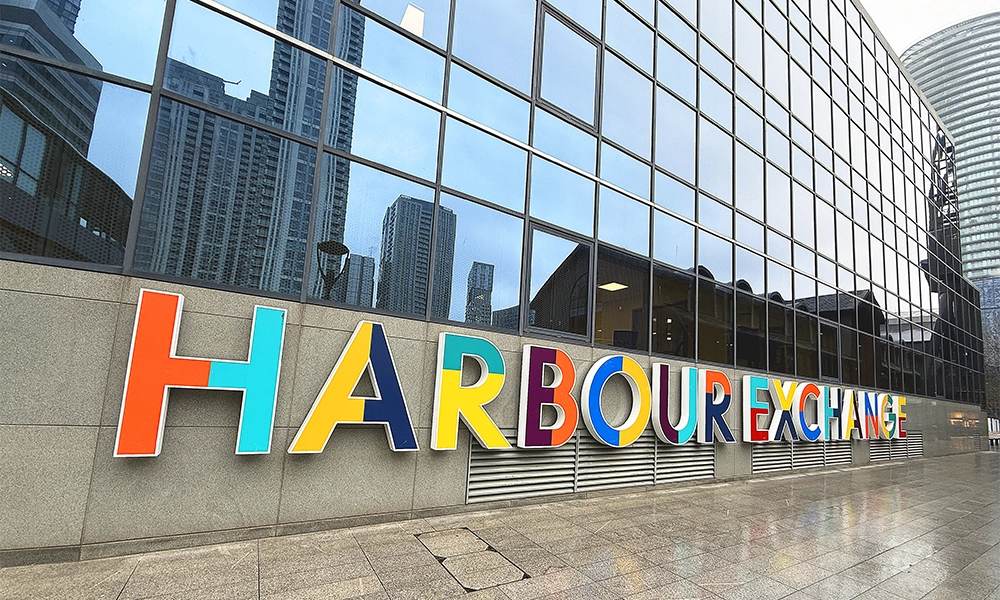
The University Of Sunderland In London is based at Harbour Exchange on the Isle Of Dogs - image by Jon Massey / Wharf Life
The University Of Sunderland In London is based at Harbour Exchange on the Isle Of Dogs – image by Jon Massey / Wharf Life

industries that ‘thrive on experience and innovation’

“These are dynamic and globally connected industries,” said Victoria Wright, lecturer in International Tourism and Hospitality Management at the University Of Sunderland In London (UOSiL).

“They thrive on experience and innovation – what we try to do here is inspire students about the opportunities that are available.”

Having moved to a new campus earlier this year, the university currently offers a foundation course covering tourism and events and BSc and MSc courses, covering tourism and hospitality from its base at Harbour Exchange on the Isle Of Dogs.

With a background in tourism herself, Victoria is passionate about helping to generate opportunities for its students.

She said: “I studied tourism, first at college and then did a tourism management degree. 

“As part of that course, I got experience in the industry and that was a stepping stone that led me into a career with international tour operator Tui.

“Working in the sales reservations department, I was very fortunate to go on fantastic familiarisation trips, so we could get to know the product and experience what we were selling.

“I went to Switzerland, Austria, Colorado and Finland, which was amazing.

“I decided I wanted to support people in learning how exciting the industry can be and the career options that are out there, so I decided to enrol on a teaching degree.

“From there I started lecturing in colleges and then went on to do an MA in tourism and cultural policy.

“I’ve been a lecturer for 15 years, joined the UOSiL in 2021 and have now started a PhD.

“Tourism and hospitality are different in many ways, but they are also similar – they’re both part of the service sector and provide tangible and intangible experiences to customers.”

theory, experience and job opportunities

Rated ninth in the UK for student satisfaction by the Complete University Guide 2025, the department is enthusiastic about delivering theory, experience and, crucially, job opportunities to its tourism and hospitality students.

Victoria said: “We make the programmes that we teach as practical as possible to provide students with the skills necessary to develop their careers. We also support them when it comes to employability.

“Our courses give students knowledge of the various dynamics of the sector and how it’s changed over the years – different types of accommodation and the various roles in hospitality, for example. 

“That’s attractive to people with ambition and goals to work in these different areas as they pursue their careers. 

“It’s important they get a broad understanding as, while they may want to get to the position of hotel manager, for example, it’s important they know about roles in sales, marketing and operations.”

Students can also expect guidance, trips, networking and visits from industry figures to help enhance their experience.

Victoria said: “We’re based in a very exciting part of London and there are lots of opportunities to connect with the hospitality and tourism industries.

“We offer a variety of courses for people at different stages in their careers and we’re always striving to provide students with experiences they’ll remember and get benefit from for the rest of their lives. It’s about enriching their time with us.

“We take students on hotel visits, residential stays – we’ve just had a group return from Budapest – and trips more locally.

“I’m from Surrey and I think it’s really important they learn what the UK has to offer.

“For example, I’ve taken groups to Denbies Wine Estate in Dorking, Box Hill – an area of outstanding natural beauty – and to Brighton as part of a module in creative tourism because of all of the different cultural offerings there.”

local connections in east London

More locally, the university also engages with the likes of Greenwich Market and London Museum Docklands as well as the hubs around Victoria and Waterloo.

“We’re also very proud to be working with Springboard, a charity that helps students and unemployed people with career opportunities in the hospitality sector,” said Victoria. 

“I’m really passionate about making sure the courses we offer have both theoretical and practical elements that result in job opportunities – that’s why this partnership works so well.”

Supported by the likes of Barclays and beverage giant Diageo, Springboard works to promote the industry and provide skills for people looking to embark on a career in hospitality.

“We help people from all kinds of backgrounds by delivering courses, experiences and placements in the industry,” said Arion Tsapis, programme and project manager at Springboard.

“We have a very extensive network of partners across the UK, which allows us to help people get an understanding of the industry and what they can achieve – then we help them get jobs.”

Arion Tsapis, programme and project manager at Springboard - image by Jon Massey / Wharf Life
Arion Tsapis, programme and project manager at Springboard – image by Jon Massey / Wharf Life

a love of teaching

It’s a sector Arion knows well.

He started his career working in hotels and bars aged 16 in his native Greece.

By 21 he was teaching mixology and bar-tending internationally in locations such as Austria and the Netherlands before heading for “the capital of cocktails”, London. 

“What I love most is teaching people about hospitality,” he said.

“I’ve been working with Springboard for a year and a half.

“The industry has seen real growth in recent years – it’s not how it was before the pandemic.

“Employers are offering a lot more training and opportunities. 

“They want staff to stay with them as their businesses grow.

“Working behind a bar, for example, is no longer seen as something to do before you get an actual job.

“Now people in those positions can work their way up, even to manager of a big hotel.

“With Springboard, we’ve seen a lot of people who started as waiters are now directors of food and beverage for big companies. 

“That’s what draws people to hospitality.

“It’s an industry where you can belong to a family and where, if you put effort in, you’ll be rewarded.

“That’s where degrees come in – they enable people to progress faster in their careers.”

University Of Sunderland In London graduates celebrate their achievements at Southwark Cathedral - image supplied by USOiL
University Of Sunderland In London graduates celebrate their achievements at Southwark Cathedral – image supplied by USOiL

growing partnerships at the University Of Sunderland In London

Victoria added: “We intend to build on and grow our relationship with Springboard because it works for both of us.

“It’s important, so that the students have a sense of accomplishment and they feel a sense of pride in achieving their degree – but it shouldn’t just stop at the graduation ceremony.

“They need to move on to a career that they want.

“As a lecturer, I hear from my students, sometimes years later, and find out about their successes – that’s really what it’s all about for me.

“When that happens I feel very touched – a real sense of pride that I’ve been able to help people on their journey.

“It’s all about caring for the students and helping them to achieve their full potential, to be that teacher that really helps them follow their dreams. 

“That’s why our Springboard programmes are offered to alumni as well – the care we have continues beyond graduation.”  

key details: University Of Sunderland In London

The University Of Sunderland In London at Harbour Exchange on the Isle Of Dogs offers a range of tourism and hospitality courses.

Full details, including entry requirements can be found on the university’s website.

Read more: Artship to sail to the Isle Of Dogs

Read Wharf Life’s e-edition here

Subscribe to our free Wharf Whispers newsletter here
Subscribe To Wharf Life

Amero founder fights poverty with coffee from Canary Wharf

How Daniel Kemdeng is using his farming roots in Cameroon to help transform the lives of the next generation alongside his career in banking

Amero founder Daniel Kemdeng outside his home in Canary Wharf - image by Jon Massey / Wharf Life
Amero founder Daniel Kemdeng outside his home in Canary Wharf – image by Jon Massey / Wharf Life

Subscribe to our free Wharf Whispers newsletter here

It’s hard to imagine a better candidate as an ambassador for Canary Wharf Group’s Where Ambition Lives campaign than Daniel Kemdeng.

Firstly, he satisfies the description in that his home is at Vertus’ 10 George Street building and he was one of the very first people to take up residence on the estate.

Secondly, he works locally. As vice president of model risk governance and review at JP Morgan Chase & Co, his commute to the office is a short stroll over to Bank Street from his apartment. 

Finally, there’s his purpose – to live a life fighting poverty, honouring the legacy of his grandfather and father through entrepreneurial zeal and the social impact of his flourishing coffee business.

Daniel’s story sits alongside a diverse group of other individuals in CWG’s campaign, which aims to confound lazy, outdated stereotypes about the area by showcasing their work and ambitions.

For a deeper dive, we sat down with Daniel to find out more.

Daniel talks with a farmer in Cameroon - image by Amero
Daniel talks with a farmer in Cameroon – image by Amero

the value of education

“I was born and brought up in a small rural village of farmers in Cameroon,” he said.

“It was very beautiful and my family had been involved in growing produce there for many years.

“One of the main crops was coffee as well as growing food to feed ourselves.

“Even though we were living in a remote place, I was lucky to be in a family and community that really valued education.

“People came together to support one child from the area who was doing well at school and had the mindset to succeed – that was me and they sponsored me to go and study in France.

“My career has always been driven by opportunities.

“When I started at university in Lille, my first idea was simply to survive. In 2001 it was the time of the dot com boom and so I thought I should study IT. 

“I’d never touched a computer before and programming was a completely different language, so I struggled a lot.

“I was stronger in physics, so I decided to study that for two years before going on to an engineering school to study for a masters because I thought I would be able to get a job. 

“I actually started my career in the aerospace industry designing structures for aircraft, which was great but I realised we were not ready to start building planes in my village back home, so I started looking into what I could do for my community.”

Beans are sorted by farmers in Cameroon - image by Amero
Beans are sorted by farmers in Cameroon – image by Amero

Daniel went back to education, studying for an MBA in Paris before getting a job with Société Générale as a derivatives analyst in the French capital.

While working in banking, he was continuing to support his community via his personal income before a tragic event brought with it major change.

“In 2012, my dad passed away, but two months before he’d told me I would have to be the one to support the community,” said Daniel.

“That was shocking, because I’m the second youngest of 16 children – I wondered how I could manage to lead the community.

“He said leadership wasn’t about age or money and he reassured me that I was the one they would listen to.

“Luckily the tradition of respect is structured in such a way that when I talk with my siblings, I will give the older ones respect, but that when I put my leader’s hat on, they will listen.”

Daniel’s father, Djoumessi, had a long history of fighting poverty in Cameroon, supporting local farmers and encouraging them to send their kids to school – leading by example with his own children.

Following his father’s death, Daniel founded a charity called AMSDM (Association Moh Soh Djoumessi Mathias), which aims to promote education and reduce poverty locally in Cameroon.

He also relocated to London, a city he believed would enable him to both pursue his career in finance and banking as well as explore business.

Daniel imports beans from Cameroon before roasting them - image by Amero
Daniel imports beans from Cameroon before roasting them – image by Amero

the birth of Amero

“Using just my personal income to support people wasn’t sustainable,” said Daniel.

“I was thinking about what else we could do and I realised one of the great things we produce in Cameroon is coffee.

“I thought that if we could get that product into the right markets we could do great things.

“The best way to help people in poverty is not to give them a fish but to teach them how to fish – that’s why I decided to go back to farming. 

“Initially the community was shocked when I explained what I wanted to do because the coffee price had dropped and most of the farmers had moved away from it as a crop.

“They wanted to know why, but I could see the demand and now the price has picked back up and is at an all-time peak.”

In the meantime, Daniel got a job with JP Morgan in 2018 and began working in Canary Wharf, deciding to move into his Vertus apartment in 2020 to remove his commute and because of the promise of community.

“I was maybe the first or second resident to move in and it was very convenient, but a month later we went into lockdown,” he said.

“The great thing was that we had that sense of community – we were a small crew living here at that time, but we spent a lot of time together even though we were working very hard and we made our own bubble.

“In the meantime, Canary Wharf Group realised I was into coffee – they knew me as a banker, so I told them I was a farmer first.

“They loved the project in Cameroon and asked me how we could make this coffee available to residents at Vertus and that’s how I came up with the idea to create a coffee brand where we would grow the beans, harvest them, process them and ship them to the UK for roasting and distributing.”

grown in Cameroon, sold globally

The result is Amero, named for Cameroon itself, supplying 100% organic arabica beans to the UK market and now more widely.

Daniel said: “The farms in my village and the ones we work with around it are on volcanic soil, which gives the coffee a unique taste.

“We don’t use any fertilisers.

“We sell the roasted coffee online and also the green beans to roasters all around the world with customers in Italy, Germany, Australia and now China.

“Today, 10,000 people in Cameroon now rely on this product and the idea is to invest more money and expand our production capacity.

“I have my own farm, which is around 250 hectares and every year I increase that. We support many of the small farmers as well.

“My ambition is to bring more and more on board to support a million people, to give them a reliable income so they can send their children to school and to the hospital when they are sick.

“It’s the best way to have an impact on the community. I come from a different way of working – I’m not just focussing on my day-to-day job with the bank.

“That’s why I do a lot of talking to share my experience and show them how, wherever you are, it’s important to support your local economy. 

“It’s not just about poverty in Cameroon but about people here and in France too.

“It’s something we can all do everywhere. 

“My success in life has been the result of the community coming together and it’s important to keep that in mind – it’s only as a team that you can deliver results.

“That’s just as important for my career in banking and why JP Morgan has been so supportive.

“Banking has given me exposure and the opportunity to meet a lot of amazing people, from whom I’ve learnt a lot.

“Everything I’ve learnt, I’ve applied to what we’re doing with Amero.

“In the same way, I bring my own personal leadership experiences from the community to the bank. It’s a win-win.

“I never dreamed my life would be like this – I grew up in a place where I couldn’t imagine this.

“Today I can travel anywhere in the world because of that vision of community and what I’ve achieved today means I can come back and help the younger generation to achieve and to grow.

“I hope they’ll do a lot more than I did, because they can now have the resources I didn’t have 40 years ago and I want to make sure they are available for them.

“My idea is to explain to them that the first thing is to dream and then to have purpose and objectives to achieve.

“Then I hope they will fly by themselves.

“It’s also about communicating to businesses and investors that the future of investment is to have a social impact as well as making money. 

“That’s very important and it’s something organisations can highlight to their clients, shareholders and employees – every single person connected to it because they will all take something from it and understand the impact they are having.”

Canary Wharf – the ideal base

Daniel said that while Amero’s growth might mean he has to make a choice in the future between banking and farming, right now Canary Wharf was playing a key role in his life.

He said: “It gives me all the resources I need to be able to continue my mission, which is fighting poverty everywhere I find it.

“The environment here is great and I feel at home.

“I’m a runner – I do 10k three times a week – and I love the connection with the water here.

“It makes me feel relaxed every day and reminds me of the lake we have on the farm.”  

key details: Amero

You can find out more about Amero and buy its products on the brand’s website here.

Read more: Artship to sail to the Isle Of Dogs

Read Wharf Life’s e-edition here

Subscribe to our free Wharf Whispers newsletter here
Subscribe To Wharf Life

Gemba offers an invisible banking solution for fintechs from Level39

Created by entrepreneur Alexander Legoshin, the Canary Wharf based company offers regulated payments services to speed up firm’s journeys

Founder and CEO at Gemba, Alexander Legoshin - image by Jon Massey / Wharf Life
Founder and CEO at Gemba, Alexander Legoshin – image by Jon Massey / Wharf Life

Subscribe to our free Wharf Whispers newsletter here

Alexander Legoshin’s entrepreneurial journey officially began at the age of nine, selling newspapers and then groceries.

By 10 he’d already decided he’d like to build his own bank – “something significant, something that would help people”.

He said: “Business was something I was always interested in.

“It was easy to do after school and my parents didn’t earn a lot, so it was helpful for me and the family.

“I’ve always been an entrepreneur – I’ve never worked for a company except my own. 

“Maybe it’s good to be employed by an organisation, but it just didn’t happen – I don’t have that track record.”

What Alexander does have, however, is a consistent history of creating companies.

Born in Russia, he finished school before going on to study at the Moscow State Institute Of Radio Engineer, Electronics And Automation.

always an entrepreneur

“The first company I started was in my first year of university and it just went on from there,” he said.

“I’m an IT person by education and my project for graduation was to develop a content management system.

“That ended up being too big for one person and became my first business.

“I managed to grow that company over six years before moving into marketing.

“That business dealt with media strategy and media buying and had a lot of high profile clients such as HSBC when they started operating in Russia.”

Further change came in 2014, when Alexander decided to leave the country of his birth, moving to Latvia.

In 2015 he sold his Russian business and launched a consultancy firm, working in corporate information and investment, with spells spent living in the Netherlands and the USA before embarking on his latest venture.

“In 2017 I had an idea to build a financial services company which I’m managing right now,” said Alexander.

“It was a long journey because we decided to get our own licence and build a product, which took about four and a half years.

“The first version wasn’t as successful as we wanted, but last year it turned into a successful business.

“We grew significantly in terms of customer turnover and revenue.”

Based at Canary Wharf’s tech community, Level39 in One Canada Square, Gemba takes its name from a Japanese term for a place where value is created in a business – the factory, a construction site or the sales floor, for example.

It’s where the real work happens. 

“A good definition of what we do is that we act as an invisible bank,” said Alexander.

“We’re regulated by the Financial Conduct Authority as an authorised payment institution and we offer companies banking and payments services so that they can serve their customers.

“If you have an idea for a fintech business, for example, there are delays. To operate, you need to be regulated, to build the product and so on – there’s a wait to get a licence. 

“What we offer is a way for companies to implement their ideas quickly without having to wait.

“They can use our white label solution – our infrastructure – to operate their business under their brand and retain their customers. 

“We take care of delivering the services and all of the compliance and regulation in the background.

“Clients pay either a fixed fee to Gemba for those services or a percentage of payments. 

“It literally takes seven minutes for a firm to start – everything is automatic.

“We offer secure payments, seamless accounting integration and fully integrated management solutions that fit an organisation’s workflow.

“Clients can create accounts for their companies and customers, design and issue cards with their own logo and either use our ready-made banking app or build their own using Gemba’s technology.

“We’re not technically a bank but we offer a full banking solution. 

“Payments are the bloodstream of businesses – you don’t get the service unless you pay for it.

“At present, our licence doesn’t allow us to take deposits or make loans but we can do everything in terms of payments.

“Hopefully, we’ll be introducing deposits quite soon.”

basing Gemba in London

With a target market of fintech firms and accountancy businesses, Alexander decided to base the business in London.

He said: “Initially it was a decision about where to go for a licence – Luxembourg or London. We chose to apply to the British regulator because London is one of the financial capitals of the world and the market is huge.

“Initially, when we started building the product, I didn’t live here but I moved to the city about three years ago.

“My wife and I like London – it’s convenient because it’s located between Europe and the USA, which is great.

“We now have around 40 employees, with about half based at Level39 working in banking from Canary Wharf. 

“Other staff work remotely under contract – they’re comfortable living in their own countries, so we don’t bring them to the UK unless they want to come.

“Level39 isn’t just an office space – it’s a community of like-minded people that acts as an accelerator for those who are trying to do something good in this world. 

“They run a lot of events and it’s a really lovely place to be.

“Kudos to Amy French, its director and her team.

“The cost of the office space is comparable to other locations and perhaps a bit less than the City, but it’s a nice place to work.”

building a network

Gemba has made much of being part of the community, engaging with the likes of Barclays in the past.

The company was also selected earlier this year to participate in the JPMorgan Chase Fintech Forward Programme, a 12-week accelerator developed in collaboration with EY.

The scheme intends to support early stage fintech businesses, aiming to shape the future of financial services through innovation and technology.

Alexander said: “Being selected for the programme is an exciting opportunity for Gemba to collaborate with global leaders in financial services. 

“It will help us accelerate our mission to deliver more efficient, accessible, and innovative financial solutions for businesses worldwide. 

“Our full-stack platform and profitable revenue-share model are already built for high-speed, compliant growth—and this partnership will dramatically enhance our ability to empower the next generation of fintechs.”

looking ahead

In the future, the company plans to continue growing its customer base targeting financial startups as well as accountants and communities wanting to offer banking services.

Alexander said accountancy was a natural partner for his firm as Gemba was able to offer a “friction-free” experience for a practice’s clients thanks to information sharing to satisfy compliance request.

He also said that communities wishing to handle money could use Gemba to handle their own customers with a pilot scheme already in operation in London to explore opportunities.

“As a 10-year-old in Russia, I wasn’t thinking of Canary Wharf, of course, when I was imagining building a bank,” he said.

“But I was thinking about having my company’s name on a building.

“Perhaps we’ll get to that point.

“I wouldn’t say it’s a plan to do that – more like a dream – but by working step-by-step we may get to the point where the dream comes true.

“Right now, it’s great to be based at One Canada Square – it’s a landmark building and absolutely tourist material.

“People know Tower Bridge, The Gherkin and this building in Canary Wharf.”

key details: Gemba

You can find out more about Gemba’s services for businesses on the company’s website here.

Read more: Artship to sail to the Isle Of Dogs

Read Wharf Life’s e-edition here

Subscribe to our free Wharf Whispers newsletter here
Subscribe To Wharf Life