

NHG Homes

Cody Dock all set for Frost Fair and a giant golden clam

The Iron Voyager artwork is one of two that will be unveiled at annual winter open day with River Of Light parade also on the programme
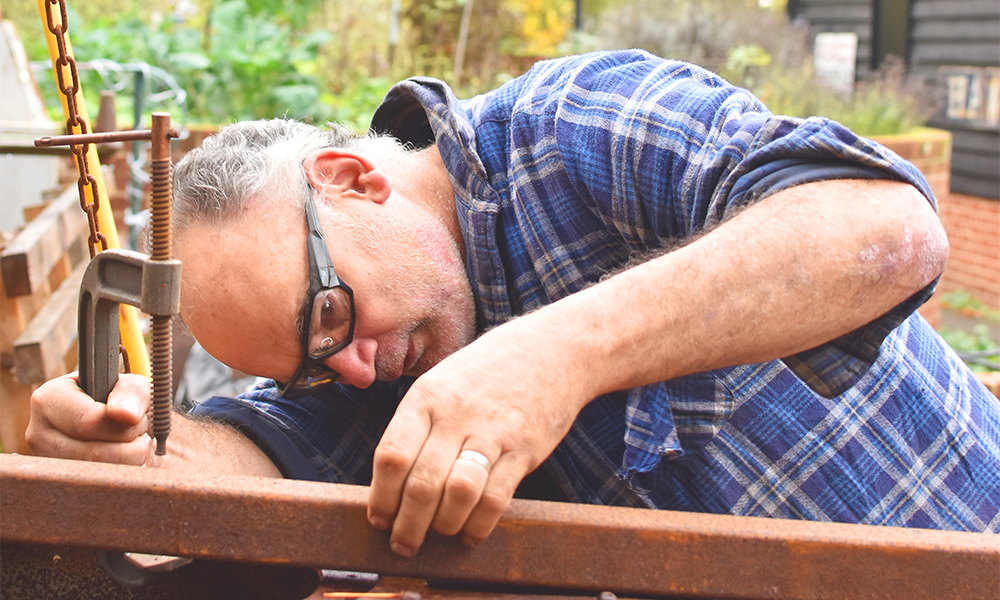
Blacksmith, artist, sculptor and fabricator, Richard Maynard works on The Iron Voyager - image by Jon Massey / Wharf Life
Blacksmith, artist, sculptor and fabricator, Richard Maynard works on The Iron Voyager – image by Jon Massey / Wharf Life

Subscribe to our free Wharf Whispers newsletter here

The connections between Cody Dock in east London and Much Hadham Forge in Hertfordshire are deep.

For one, the latter is close to the Ash, a tributary of the River Lea, which flows from the north of the capital down to the Thames past Canning Town.

Soon, a giant golden clam made of steel will migrate south from its place of creation to take up residence at Cody Dock in time for the ecological regeneration project’s annual Frost Fair on November 28, 2026.

The Iron Voyager is the work of Richard Maynard, who responded to an open call for artists to explore the theme of “What’s In The River”.

His piece will be the third and final installation in Cody Dock’s Cabinets Of Curiosity series, part of its Lighting Up The Lea programme funded by the National Lottery Heritage Fund.

Working as a blacksmith, teacher, fabricator and storyteller, Richard has east London roots.
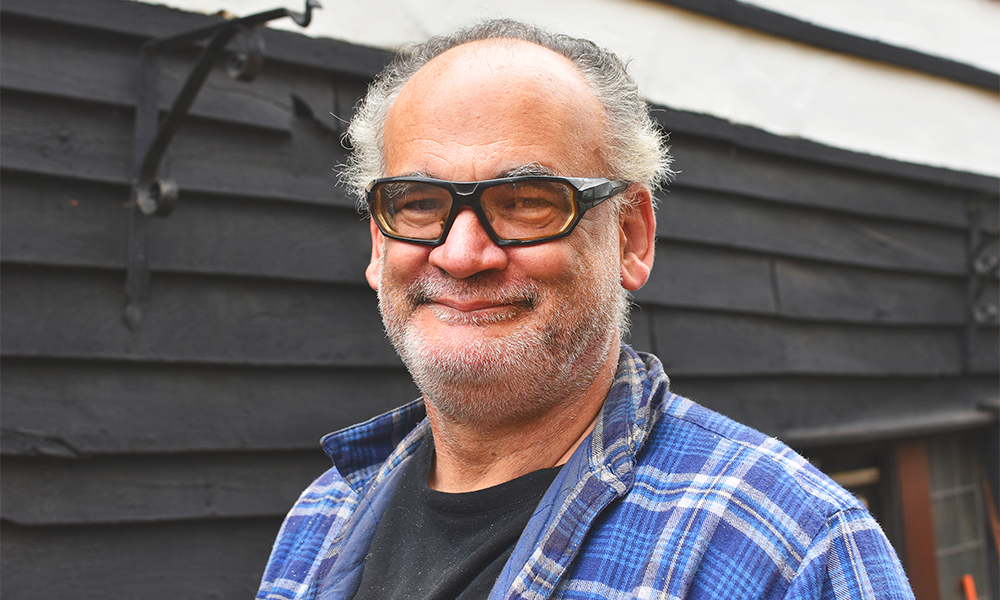
Richard has been working at Much Hadham Forge for two decades - image by Jon Massey / Wharf Life
Richard has been working at Much Hadham Forge for two decades – image by Jon Massey / Wharf Life

connections in the water

“My dad was a ship’s engineer and he used to have a boat on the Lea,” he said.

“We lived in Bow, so we’d pop over to the river and jump on board.

“I saw all the changes in that area from before the Olympics.

“I was aware of the Cody Dock project, but I was moving out just as they were moving in and I hadn’t kept up with it.

“When the open call went out, the more I looked into it, the more it was ticking boxes.

“I’ve always been into boats and there’s a long history of ship-building in the area. 

“There was also a site where they refined coal into coke, which is the main fuel I use in the forge.

“Then the idea came to look at the golden clam – a really interesting organism. 

“Technically it’s an invasive species and probably arrived in the Lea via the bilge water of trading ships.

“An individual clam can produce something like 70,000 offspring per season, so they spread like mad.

“But they help to filter the water and provide food for local wildlife – you see the shells everywhere – so it’s more complex than just saying this invader is bad for the river.”
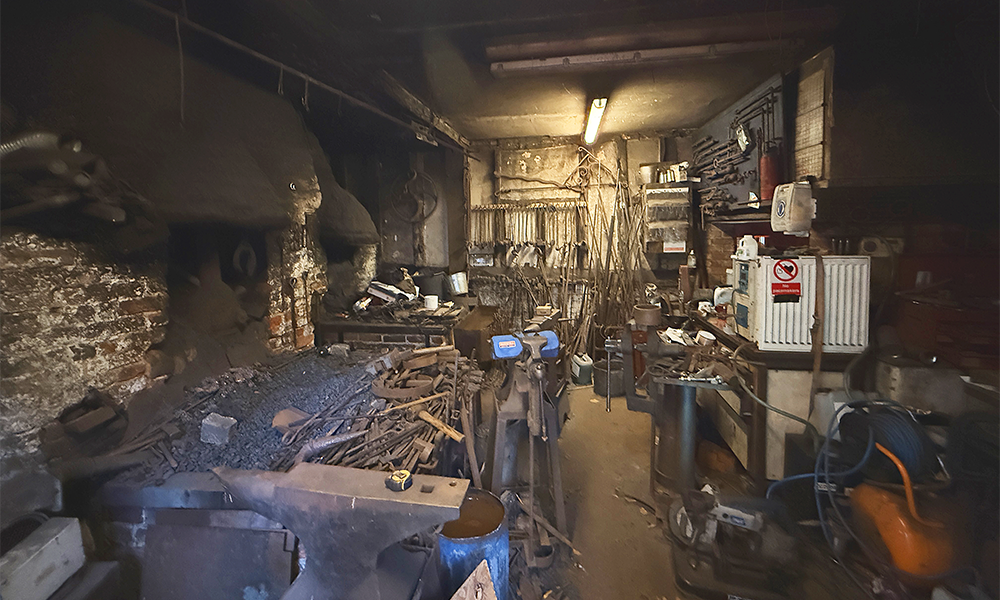
The Herfordshire forge has been in use for hundreds of years - image by Jon Massey / Wharf Life
The Hertfordshire forge has been in use for hundreds of years – image by Jon Massey / Wharf Life

forged at an historic location

Richard designed parts of The Iron Voyager using a computer before assembling the sculpture at what is probably the “oldest continuously working forge in the country”.

Housed within a 17th century barn conversion in what’s now the Much Hadham Forge Museum – parts of which date back to the 15th century – the brick hearths have been used to work metal for hundreds of years.

Before Richard took up the role of smith, generations of the Page family had toiled at its anvils with enthusiastic beekeeper Charlie, the last in the line.

His daughter, Jean, made over the property to the Hertfordshire Building Preservation Trust (HBPT) in the 1980s, with the working forge continuing to operate independently of, but alongside, the museum.

“I used to be a design and technology teacher, but I fell out with my headmaster, who wanted me to teach art,” said Richard.

“I didn’t want to do that, so I looked around for something else.

“I met the chairman of the HBPT while I was working up in Norfolk.

“She just walked in and said they were looking for a blacksmith for the forge at Much Hadham and I thought that I could do it, so I ended up taking on the lease.

“Most of the buildings here house the museum, but Jean Page wanted the forge to stay working.

“Charlie was a farrier and a blacksmith.

“Horses would walk into the smithy to get shod, but as the number of animals fell locally, farriers had to become mobile.

“Today, most blacksmiths do architectural ironwork – there’s quite an overlap with fabricators, where we’re just welding things together – but there are some really good people doing interesting things.

“The Page family were smiths for four or five generations.

“They took on the forge here and became pillars of the community.

“Taking it on makes me stop and think every now and then.

“There’s a cast-iron water trough I use.

“Sometimes you want to dip the end of the metal in the water, so you rest it on the edge of the trough and slide it in.

“There’s a little groove on the edge and you think that you’ve scraped a few atoms of iron away.

“You remember that four or five hundred years of people doing that same thing have worn that groove.

“I’ve been here about 20 years, but that’s a small fraction of the history of the place.”
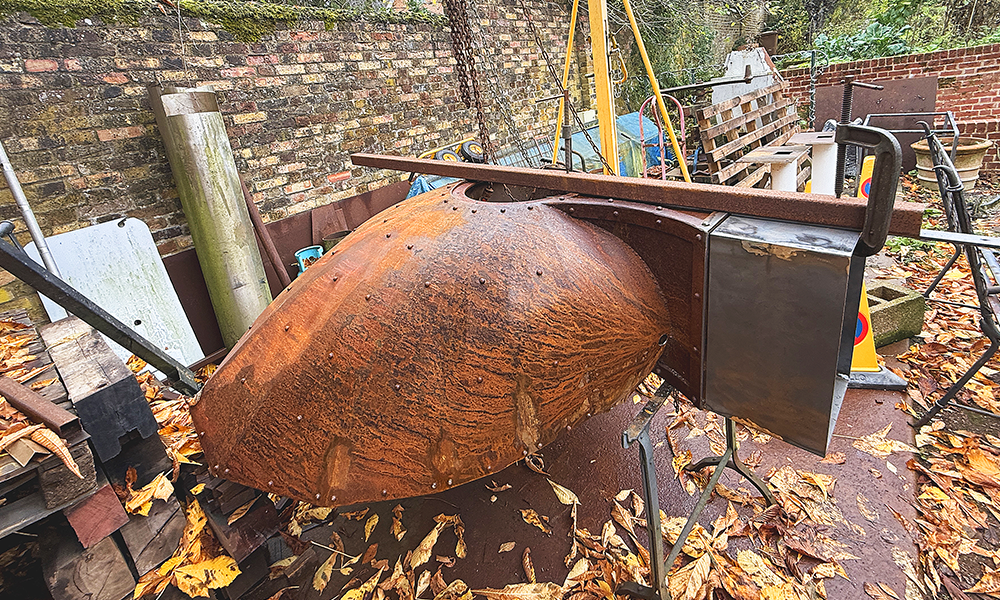
The Iron Voyager will be unveiled at Cody Dock's Frost Fair - image by Jon Massey / Wharf Life
The Iron Voyager will be unveiled at Cody Dock’s Frost Fair – image by Jon Massey / Wharf Life

weaving the past into the sculpture

History has found its way into The Iron Voyager too, which features pewter castings of objects recovered from the Lea, selected by the public from Cody Dock’s handling collection.

Visitors will be invited to turn a wheel to reveal them, symbolising the movement of the tides and the hidden stories beneath the river’s surface

“The sculpture looks like it’s been dredged up from the mud – it’s made from corten steel, which rusts and then stabilises, so it recalls the ship-building that went on,” said Richard.

“The objects in the rotating drum celebrate the natural and industrial history of the area – clay pipes, shells, pottery and waste. 

“We’ve even got a little piece of a lemonade bottle with just enough writing on it to identify it as R Whites – a little piece of our social and industrial past.

“I try to find little projects that look interesting because I can do lots of different things, sometimes collaborating with other artists, problem-solving and getting on and making work. 

“When I first took on the forge, I thought I’d be doing more traditional blacksmithing – gates, railings, balconies and that sort of thing.

“I do make all those things, but it’s really trying to do pieces I’ve never done before that interests me.

“Sometimes it’s frustrating – bits you drew at home don’t fit and you have to find a way to fix them, but I’ve always enjoyed working things out.

“That’s why I enjoy it when people come here and want to try making things themselves.”

  • Richard hosts experience days at Much Hadham Forge for anyone who’d like to try creating something from metal – tools, art or functional decorations. 

Find out more about the forge here
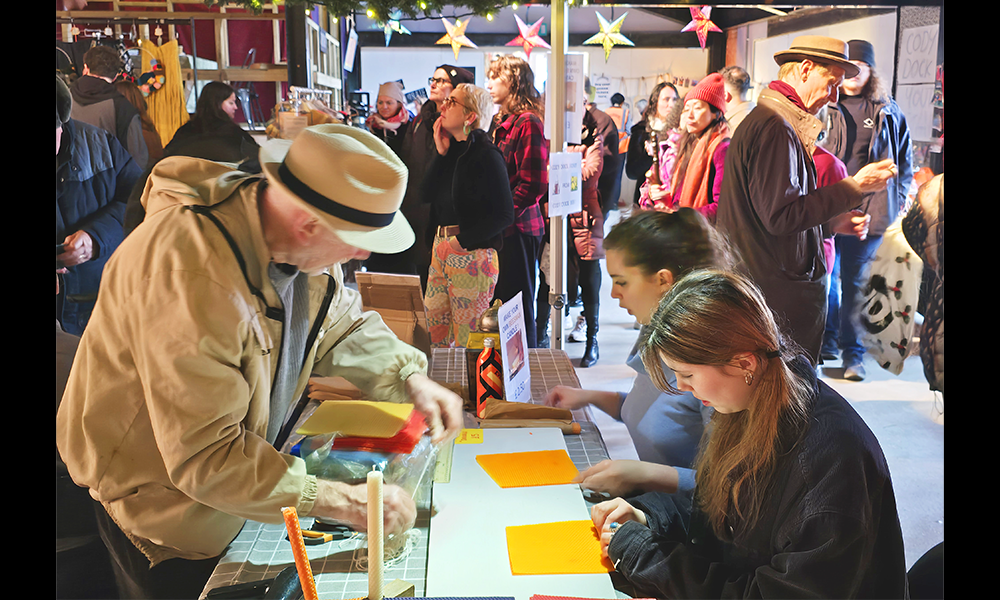
The Frost Fair will feature craft activities, stalls, performances and more - image supplied by Cody Dock
The Frost Fair will feature craft activities, stalls, performances and more – image supplied by Cody Dock

save the date – November 28, 2026

Cody Dock’s Frost Fair promises a full day of browsing, activities, performances, exhibitions and seasonal fun.

Craft activities to take part in on the day included beeswax candle-making, festive wrapping creation and wreath-tying with real spruce and Christmas decorations. 

Tower Hamlets Wheelers will be on hand for bike repairs and marshmallows will be available to toast on the fire.

Stalls on the day will include remedies from The Floating Apothecary, ceramics from Carpelutum and artworks and designs from Lydia Thornley.

Visitors will also be able to explore the Cody Dock plant sale, get their tarot read, warm up with some mulled wine and listen to live music from the Star Lane Choir and Flotsam Collective.

The Cody Dock 2027 calendar featuring images from the Your River photo competition will also be on sale alongside branded tote bags.

Cody Dock is located a short walk from Star Lane DLR station or a slightly longer stroll from Canning Town.
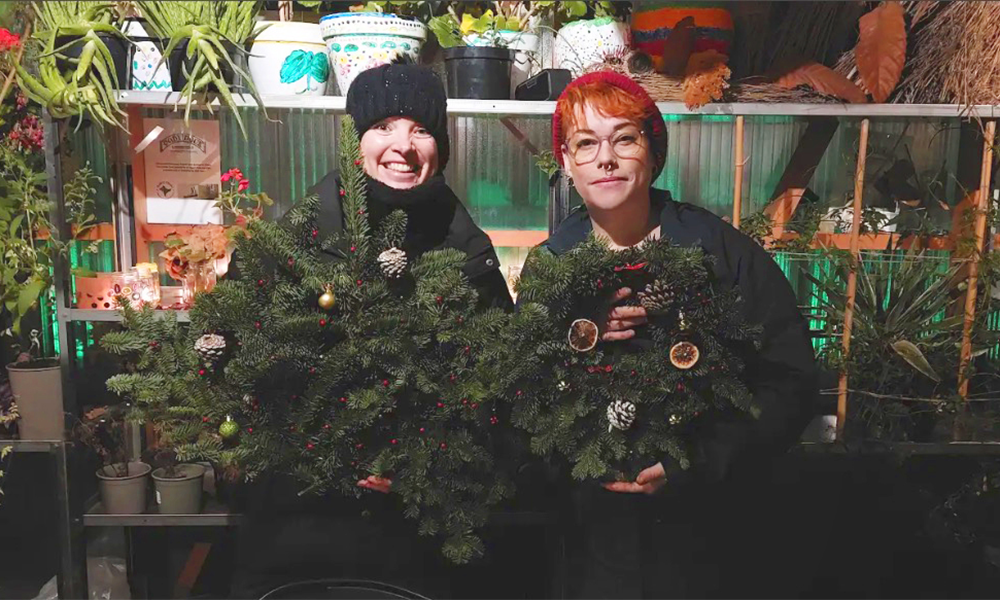
Visitors will be able to make wreaths from real spruce for Christmas - image supplied by Cody Dock
Visitors will be able to make wreaths from real spruce for Christmas – image supplied by Cody Dock

one to watch

River Of Light is a creative and educational community project delivered by Cody Dock and Thames Festival Trust, in partnership with Bow Arts, with funding from The National Lottery Heritage Fund.

Inspired by the Thames Festival’s first lantern events 28 years ago, the project has brought together 570 children from 12 primary schools in Newham and Tower Hamlets to explore the rich history, ecology and heritage of the tidal Lea. 

Throughout the autumn term, pupils have taken part in guided walks led by Cody Dock’s education team and trained volunteer river story guides, exploring a series of themes. 

Following these experiences, children developed their own stories and transformed their learning into handmade lanterns through workshops in their schools, led by London-based multidisciplinary artist Yuliya V Krylova.

Her practice spans painting, movement, sound, material and textile-based processes, as well as participatory art.

At the Frost Fair, the youngsters will take part in a celebratory lantern procession within Cody Dock, which will conclude with the unveiling and illumination of the River Of Light lantern exhibition in The Boat House, Cody Dock’s new public exhibition space.
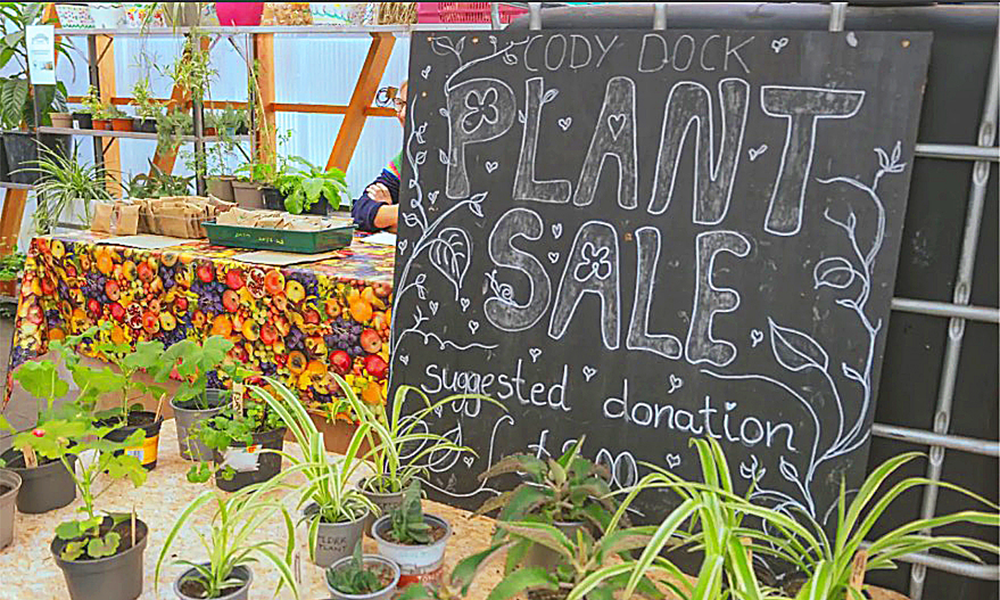
The event will feature a plant sale alongside the unveiling of the artworks - image supplied by Cody Dock
The event will feature a plant sale alongside the unveiling of the artworks – image supplied by Cody Dock

key details: Frost Fair at Cody Dock

Cody Dock’s annual Frost Fair is set to take place on Saturday, November 28 from noon-5pm.

The event is free and visitors will be able to see The Iron Voyager.

Find out more about the festival here

Read more: Skuna’s Igloo Boats are back on the water for the colder months

Read Wharf Life’s e-edition here

Subscribe to our free Wharf Whispers newsletter here

Subscribe To Wharf Life

River Of Hope artworks to be displayed at Cody Dock’s Frost Fair

Winter event will also feature live music, a local makers’ market, games, workshops, food and drinks

Children survey the River Lea on a visit to Cody Dock as part of the River Of Hope project - image supplied by Thames Festival Trust
Children survey the River Lea on a visit to Cody Dock as part of the River Of Hope project – image supplied by Thames Festival Trust

Subscribe to our free Wharf Whispers newsletter here
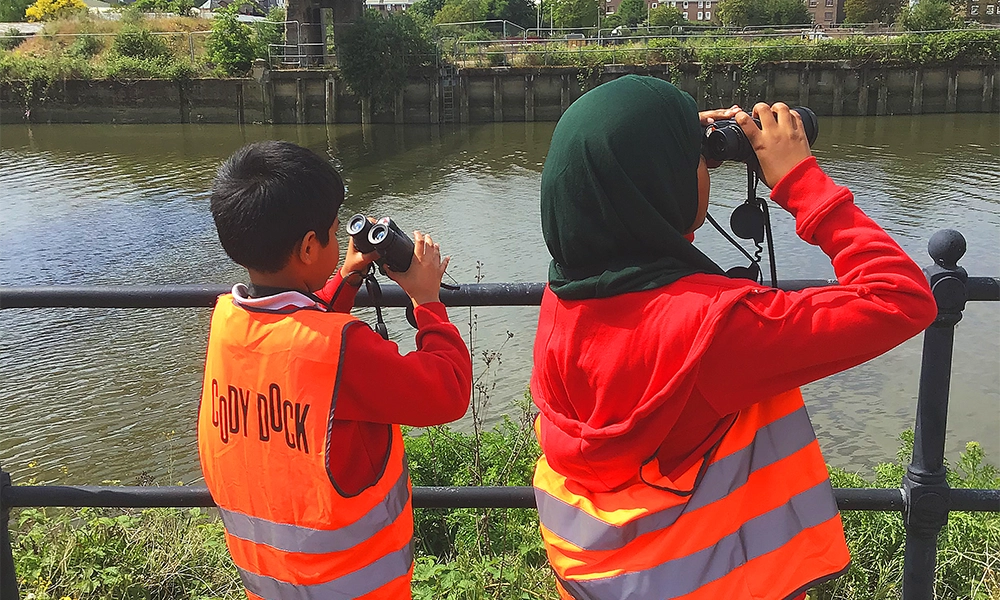
Cody Dock is set to host its latest Frost Fair at the end of the month with a packed programme of activities and attractions.

The event, which is free to attend, will feature a local makers’ market, live music and games.

There will also be workshops for visitors to participate in including wreath making and sustainable wrapping paper printing.

Food will be provided by German Deli and Milagros with drinks – including mulled wine – from the Cody Dock bar.

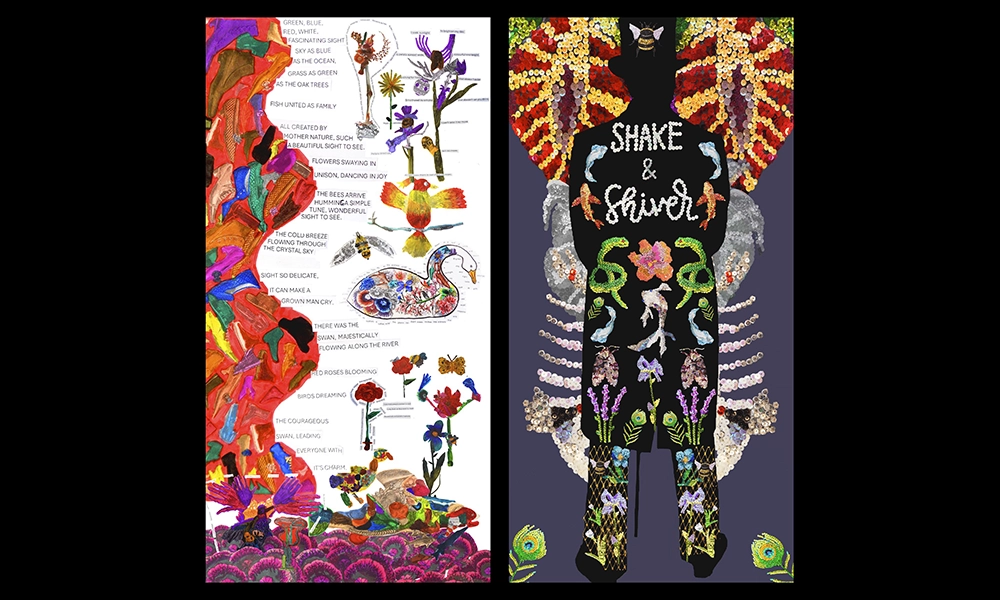
Also on show during the day will be a series of artworks from River Of Hope, a project that saw school pupils work with artists at Cody Dock to creatively respond to the Lea and the environment around it.

As part of the Thames Festival Trust’s Totally Thames festival, the resulting pieces by five Newham secondary schools and nine primary schools were first displayed in September at Cody Dock, beside the Millennium Bridge and at Compressor House in Royal Docks.

Some of those by secondary schools shown at the latter will also feature at Frost Fair, while others have made the journey to COP30 in Brazil.

Two of the artworks created as part of River Of Hope – images supplied by Thames Festival Trust

two years in the making

Kate Forde, Thames Festival Trust head of education and engagement, said: “River Of Hope has been a two-year programme that’s worked in five regions around the UK as well as in France and Ethiopia.

“The aim, through partnerships, is to connect people with their local environment, specifically with their rivers and waterfronts, as well as elevate the work of young people. 

“Their pieces are showcased in different ways at international festivals all around the country.

“In Norfolk, for example, we installed artwork on the sails of boats and had a procession of vessels come down the river.

“In London, our environmental partner is Cody Dock and they’ve been perfect for the project.

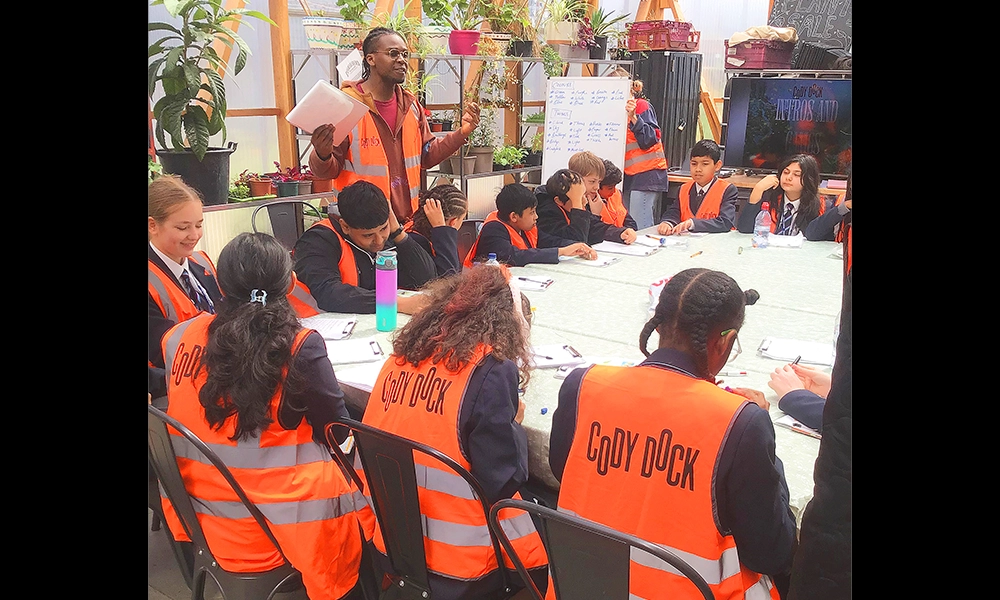
“With the primary schools, they all visit the site and a lot of professional development for the teachers is involved with the aim of inspiring a more creative approach to teaching and learning.

“Through the geography curriculum they deliver a term’s worth of work around River Of Hope with the final output being the artwork – in this case a series of flags that are already on display at Cody Dock.

“At both secondary and primary level we can see the long-term impact of the project is making them relevant.

“Since Covid, schools are much more reluctant to do outdoor visits, but learning in this way is so beneficial. 

“Feedback from the teachers has been that these experiences at all ages were such a leveller – seeing kids who may have been disruptive in the classroom really coming into their own.

“It really does highlight the importance of a variety of approaches to learning.

“The project is very much also about leaving a legacy there, whether it’s the artwork being displayed or the schools knowing about and being able to access resources such as the ones at Cody Dock on their doorsteps.

“In addition to the flags by the primary schools – made using marbling techniques with artist Fiona Grady – the works that will be shown at Frost Fair have been created by Newham secondary schools in collaboration with artist Shona Watt and poet Dauda Ladejobi.

“These have been reproduced on silk as three metre-high hangings and they’re really extraordinary.

“It’s the students’ take on what they learnt and their feelings about climate change globally, what’s happening in the world and their hopes for the future.”

For those unable to get down to Cody Dock, the works can also be viewed online here.


Pupils participate in a workshop at Cody Dock - image supplied by Thames Festival Trust
Pupils participate in a workshop at Cody Dock – image supplied by Thames Festival Trust

key details: Frost Fair at Cody Dock

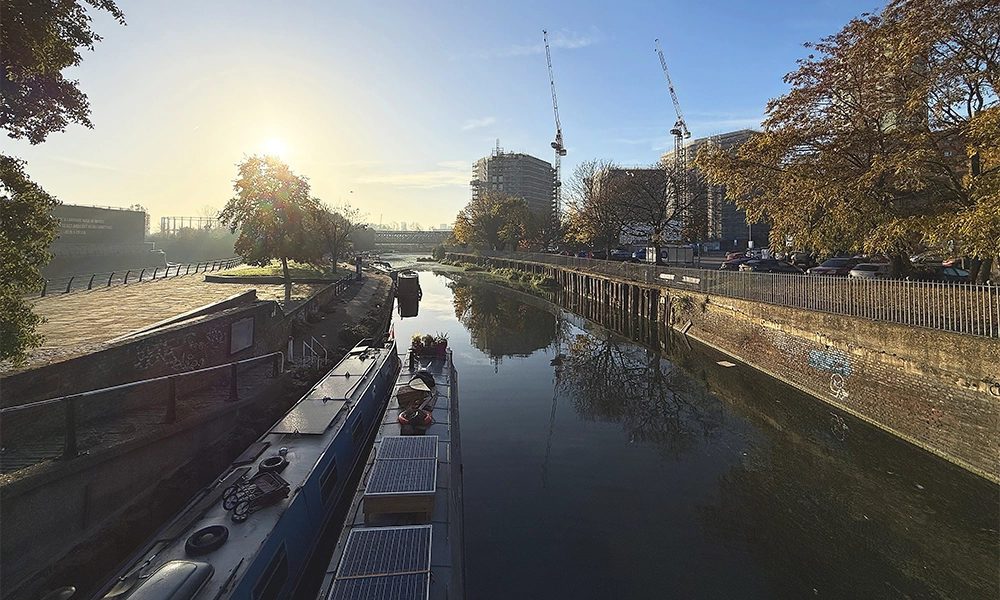
Cody Dock is located on the edge of Canning Town right beside the River Lea.

The closest public transport is Star Lane DLR station.

Its Frost Fair event is set to take place on Saturday, November 29, 2025, from noon-5pm and is free to attend.

Find out more about the event here

Read more: Why a degree in hospitality and tourism can boost your career

Read Wharf Life’s e-edition here

Subscribe to our free Wharf Whispers newsletter here
Subscribe To Wharf Life

How the River Lea plays an outsize role in UK’s social history

Area’s population has had a hand in philanthropy, the foundation of unions, workers and women’s rights and female suffrage

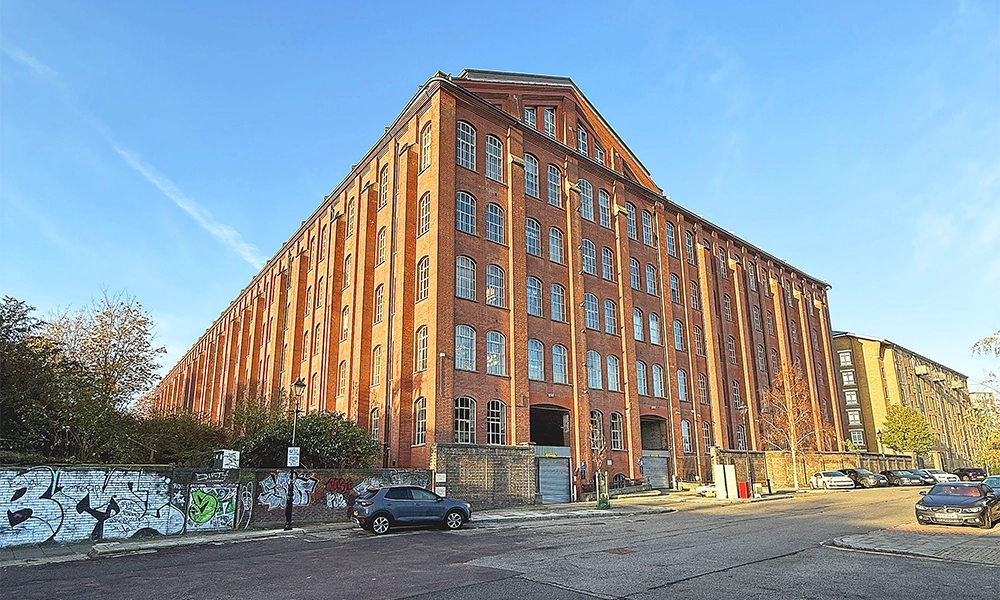
Today the Bryant And May Match Factory has been converted into residential apartments, but it was once the scene of a history-making strike - image by Jon Massey / Wharf Life
Today the Bryant And May Match Factory has been converted into residential apartments, but it was once the scene of a history-making strike – image by Jon Massey / Wharf Life

Subscribe to our free Wharf Whispers newsletter here
The world can seem an increasingly bleak place.

The relentless digital news machines deliver a steady diet of shock and awe at callous acts of brutality by humans the world over. 

One antidote to this pipeline of 24-hour misery is to take a step back from the present to look back and realise how far we’ve come in some areas. 

Roughly six and a half generations ago (191 years, to be exact), it was legal in Britain for one person to own another. It took a further 31 years for the USA to  abolish slavery.

 The freedoms and rights we enjoy today all have their roots in the toil and struggle of people who led lives unimaginably impoverished compared with our own and – in the grand scheme of things – not all that long ago. 

This is precisely why we need to study history and develop places that showcase and highlight the collective achievements and missteps of our species.  

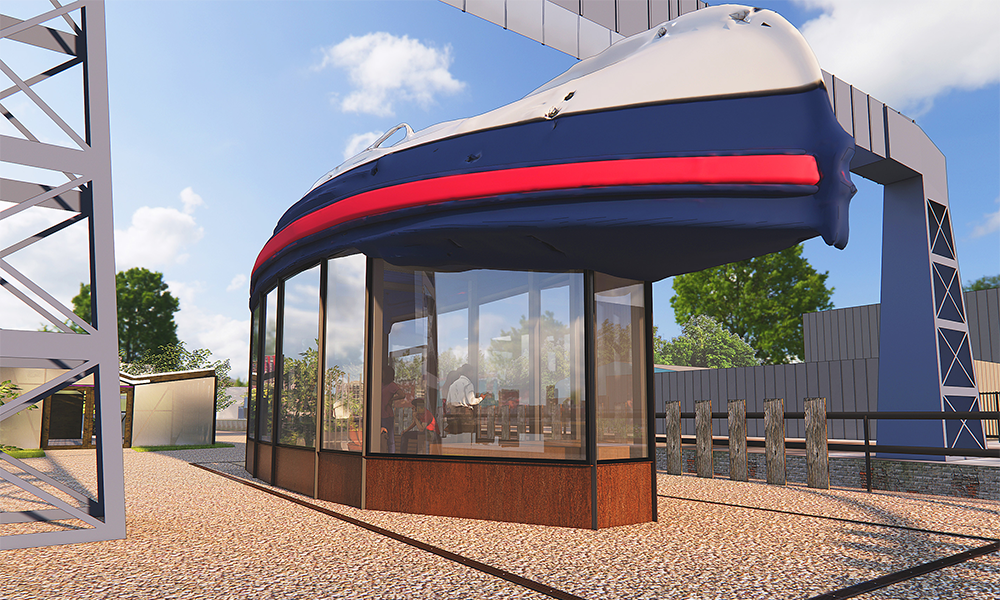
An artist's impression of how Cody Dock's Heritage Pavilion will look when installed - image by Cody Dock
An artist’s impression of how Cody Dock’s Heritage Pavilion will look when installed – image by Cody Dock

a Heritage Pavilion on the River Lea

That is one of the missions that Cody Dock, an ecological regeneration project on the edge of Canning Town, is undertaking through its Heritage Pavilion project.

The structure will be built as part of a £1.6million National Lottery Heritage Fund grant, using the restored hull of Welsh lifeboat the Frederick Kitchen – likely the last vessel built at the Thames Ironworks – as its roof. 

The glazed space will host quarterly exhibitions on the history of the area, with a special focus on the River Lea.

As anticipation builds for the pavilion’s launch, this is the second in a series of articles in a partnership between Wharf Life and Cody Dock to draw attention to some of the topics that will be featured.

The banks and marshlands around rivers are well known for their fertility. 

The nutrient-heavy silts washed up by the constant flow of water, make for rich soils and abundant growth.

Factor in their historic use as corridors of trade, transport and migration and it’s little wonder that city waterways conveyed similar prosperity on the operations along their banks. 

The Lea once bristled with industries that demanded sprawling communities of workers.

This human tide, forced to contend with extraordinary deprivation and shocking conditions, was in itself a potent force and one of the reasons east London has played an outsize role in the nation’s social history. 

Here, people stood up, fought for better lives and succeeded. The four stories below aim to offer a flavour of just some of their remarkable achievements.

Harper Twelvetrees based his Imperial Chemical Works alongside the Lea - image by Jon Massey / Wharf Life
Harper Twelvetrees based his Imperial Chemical Works alongside the Lea – image by Jon Massey / Wharf Life

echoes of the past along the River Lea

Close to West Ham station, Berkeley Group is currently building a housing development called TwelveTrees Park.

That branding isn’t a reference to some long forgotten copse with a dozen pines, but a name from history.

The scheme is located on land near Twelvetrees Crescent, a road named for entrepreneur, factory owner, chemist, writer, campaigner and inspiring philanthropist, Harper Twelvetrees.

In his time, much of east London was a patchwork of industrial operations and slums, the latter housing the workers for the former.

The author Charles Dickens visited nearby Canning Town and wrote in 1857: “The houses are built in rows; but there being no roads, the ways are so unformed that the parish will not take charge of them.

“We come to a row of houses built with their backs to a stagnant ditch.

“We turn aside to see the ditch and find that it is a cesspool, so charged with corruption, that not a trace of vegetable matter grows upon its surface, bubbling and seething with the constant rise of the foul products of decomposition, that the pool pours into the air. 

“The filth of each house passes through a short pipe straight into this ditch and stays there.”

Later on the same visit, he finds “three ghostly little children lying on the ground, hung with their faces over another pestilential ditch, breathing the poison of the bubbles as it rose and fishing about with their hands in the filth for something, perhaps for something nice to eat”.

Dickens’ bitterly ironic depiction of the dirty, blighted lives of the workers and their families around Bidder Street near the Lea is a stark picture of the kinds of conditions people endured a little over a century and a half ago in the name of industrial progress.

While plenty of business owners were content to exploit their employees, others had more progressive, compassionate ideas.

Born in Bedfordshire and originally apprenticed as a printer and a bookseller, Harper Twelvetrees developed an interest in chemistry.

Moving to London in 1848 he initially sold laundry products from other manufacturers in Holborn while working on a plan to make his own.

Having set up a small factory in Islington, in 1858 he moved production to a larger site on the banks of the River Lea at Bromley-By-Bow, just over the water from Three Mills. 

Moving to the heart of the complex himself, he set about improving the lives of his workers – 400 at the peek of his Imperial Chemical Works’ success. 

He built rows of cottages to house them, invested in a library, opened a lecture theatre, put on evening classes, organised sewing circles, created a clothing club and hosted non-denominational services.

There was even support for sick workers through a benevolent fund.

In 1861, the Stratford Times wrote: “Instead of dirty, narrow lanes bounded by high walls, now there are to be seen neat, commodious and well-built cottages, flanking tidy roads. 

“The old population is losing its distinctive traits before a new, fresh and vigorous class that is rapidly settling amongst them and giving an air of busy life and incessant occupation to a place, which once wore an empty gloom hardly redeemed by the wild rush of waters roaring in the adjacent mill-stream.” 

Philanthropy can be fragile, however.

Twelvetrees’ deal to sell his business in 1865 went bad, resulting in bankruptcy, although he did start up again on the other side of Bow at Cordova Works off Grove Road, eventually going on to produce washing machines and mangles. 

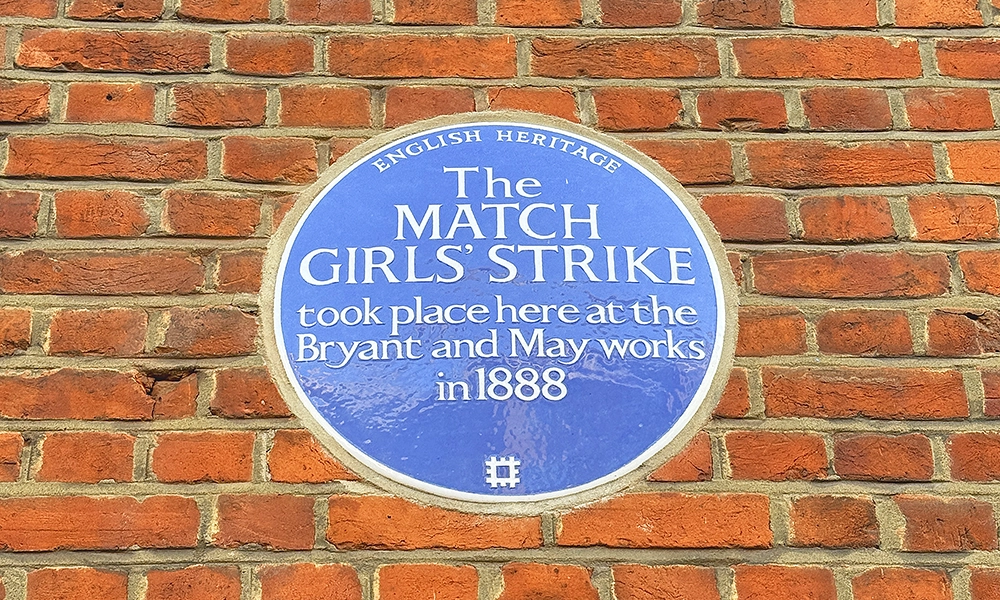
A blue plaque marking the location in Bromley-By-Bow of the Match Girls' Strike - image by Jon Massey / Wharf Life
A blue plaque marking the location in Bromley-By-Bow of the Match Girls’ Strike – image by Jon Massey / Wharf Life

lighting a fire

Collective effort is where lasting gains are often made.

While some workers in east London were relatively well treated by those making money off their sweat, others were not.

In July 1888, the women and teenage girls working at the Bryant & May match factory in Bow went out on strike.

There had been previous periods of industrial action over pay and punitive fines – sanctioning the often barefoot workers for dirty feet, untidy workbenches, lateness and dropped matches – but they had all failed.

1888, however, was different. 

Atrocious working conditions including 14-hour days and the horrific ravages of phossy jaw – an industrial disease caused by exposure to the white phosphorus used in match production which killed a fifth of sufferers – were taking a terrible toll. 

Social activists Annie Besant and Herbert Burrows became involved in the cause, publishing an article that angered managers at the factory, who attempted to get their workers to sign a statement repudiating its claims. 

When they refused, a worker was fired – it was the spark that ignited the strike, with 1,400 women and girls walking out – probably on July 2.

Four days later, the whole factory had ceased to function.

The women had gone to visit Besant to enlist her help and with her support and the backing of some MPs, the strike generated significant publicity. 

Besant – a prominent campaigner of a wide range of social and political issues – assisted in the negotiations and the workers were successful in getting unfair fines and deductions for materials abolished as well as a new grievance procedure with direct access to management. 

A separate room for meals was also provided to prevent contamination of their food with poisonous phosphorus.

In the aftermath of the strike, the workers founded the Union Of Women Matchmakers – the largest such organisation of women and girls in the country at the time.

Their efforts inspired a wave of organising among industrial workers, the mothers of change.

fighting for workers’ rights

Canning Town Library played a significant role in that process.

In 1889 it was the venue for the formation of the National Union of Gas Workers and General Labourers.

Will Thorne, Ben Tillett and William Byford founded the organisation in response to lay-offs at Beckton Gasworks, with the former elected as its general secretary.

The organisation rapidly launched a successful campaign for an eight-hour working day, with its membership then rising to more than 20,000.

It was the start of a labour movement that eventually became the GMB union, which today has more than half a million members.

Also in 1889, the London Dock Strike saw a walkout by some 100,000 workers.

They won their pay claim for the introduction of the Dockers’ Tanner – a guaranteed rate of sixpence an hour – precipitating extensive unionisation across the sector.

It was against this backdrop that Labour Party founder Keir Hardie was invited to successfully stand for election as MP for West Ham South.

He represented the seat from 1892-1895.

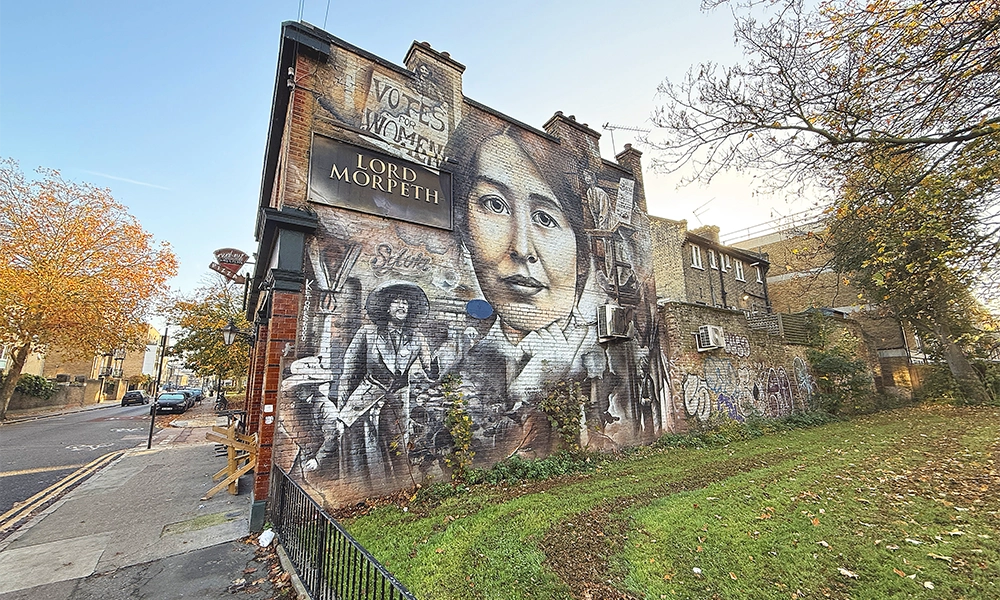
A mural on the side of the Lord Morpeth pub celebrating the work of Sylvia Pankhurst and the East London Federation Of Suffragettes - image by Jon Massey / Wharf Life
A mural on the side of the Lord Morpeth pub celebrating the work of Sylvia Pankhurst and the East London Federation Of Suffragettes – image by Jon Massey / Wharf Life

women and equality

East London continued to play a crucial role in the development of workers and women’s rights. 

From 1914 until 1924, 400 Old Ford Road in Bow was the headquarters of the East London Federation Of Suffragettes (ELFS), an organisation committed to getting women the vote and one based not far from where the match girls stuck their blow.

It was also the home of Sylvia Pankhurst and her fellow campaigner Norah Smyth as well as the location of their Women’s Hall – a radical social centre run largely by and for local working class women.

This included a larger space with a capacity of up to 350 and a smaller hall for about 50 – all furnished with tables and benches made with wood from supporter George Lansbury’s timber yard.

When the First World War led to unemployment and rising food prices, the hall opened a restaurant serving hot meals at cost-price with free milk for children.

Having broken with her mother – Emmeline Pankhurst’s Women’s Social And Political Union – Sylvia and the ELFS used east London as a base.

The group held marches through the neighbourhood, organised large public meetings, benefit concerts and parties as well as producing a weekly newspaper called The Women’s Dreadnought.

Other activities included opening a cooperative toy factory that paid a living wage to its female workers and even offered a crèche.

While the ELFS’s name changed over the years it remained active until 1924.

Today, the Suffragettes’ activities are remembered in a mural on the side of the neighbouring Lord Morpeth pub.

It’s stories like these that Cody Dock’s Heritage Pavilion will help showcase in greater depth when it opens next year.     

Additional research by Cody Dock’s Julia Briscoe

key details: Frost Fair at Cody Dock

Cody Dock offers a wide range of volunteering opportunities and runs regular events and activities aimed at engaging with the local community.

You can find out more at its Frost Fair event on Saturday, November 29, 2025, which is free to attend from noon-5pm.

Read more: Why a degree in hospitality and tourism can boost your career

Read Wharf Life’s e-edition here

Subscribe to our free Wharf Whispers newsletter here
Subscribe To Wharf Life