

Alex Neil

V&A East Museum aims to inspire young visitors with its galleries

Opening of major cultural venue at East Bank in Stratford is another key piece in the 2012 Games’ legacy at the Queen Elizabeth Olympic Park
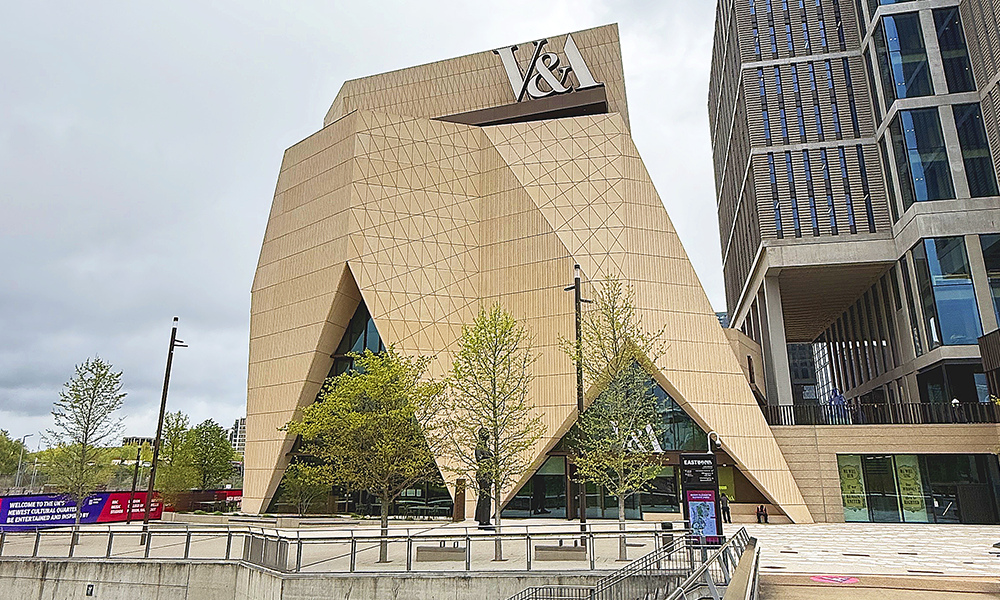
V&A East Museum is located at one end of East Bank - image by Jon Massey / Wharf Life
V&A East Museum is located at one end of East Bank – image by Jon Massey / Wharf Life

Subscribe to our free Wharf Whispers newsletter here

“This is a place of dreams and possibilities,” said Gus Casely-Hayford, director of V&A East.

“What it needs now is people to come in and make them real.” 

Speaking at the launch of V&A East Museum, the more prominently located second half of the west London institution’s new empire in this part of the capital, there’s a thrill in his voice.

Storehouse, located at Here East, has been a resounding success, welcoming 600,000 visitors through its doors since it opened last year, despite being somewhat tucked away amid the fabulous sprawl of the Queen Elizabeth Olympic Park. 

The new museum sits on one end of East Bank beside the London College Of Fashion, the new BBC Music Studios and Sadler’s Wells East.

Its opening is a key part of the 2012 Games’ cultural legacy.

Just like the South Bank, these buildings are statements of intent, powerhouses for the arts rising proudly above Waterworks River with the V&A’s golden geometric concrete arguably the most visually striking.

But for Gus, it’s the flow of young minds in and out of its doors that he and the team care most about, the museum’s connection to the community.
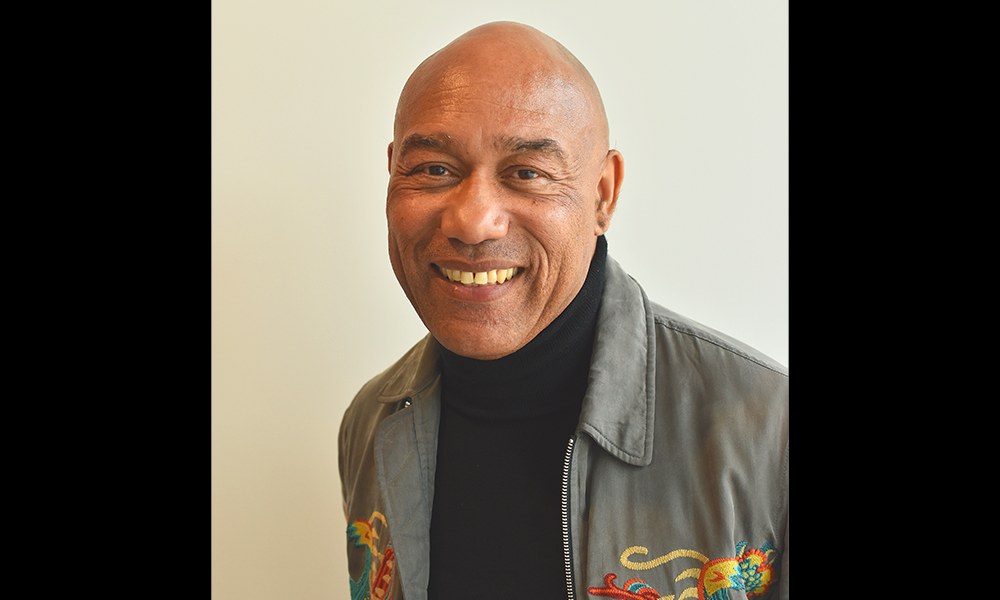
Gus Casely-Hayford, director of V&A East – image by Jon Massey / Wharf Life

becoming the ladder

“East London is the place that gives us Alexander McQueen, David Bailey and so many other creators who had to struggle and fight in their fledgling careers to get their feet on the first rung of the ladder,” he said.

“For all those future makers and artists, we want to be there as that ladder.

“It shouldn’t just be middle class kids who have an uncle who works in film or an aunt who runs a gallery that succeed. 

“It’s wonderful they have those opportunities, of course, but how do we ensure that those without those advantages in east London can get purchase on careers in the creative industries?

“I’m proud of the sense of possibility we’ve created here.”

Over simplifying, if Storehouse is a place to hold, look after and offer access to the 280,000 objects in the V&A family, chronicling some 5,000 years of human creativity, V&A East Museum is a place to show them off in tightly curated, thought-provoking ways.

To that end, it features two permanent Why We Make galleries, packed with treasures that are free to view. 

There’s also an exhibition space, currently occupied by The Music Is Black: A British Story, which aims to illuminate 125 years of black British music via exhibits, stories and sound.

On its fifth floor there’s a terrace and another free exhibition, Dispersal, which captures the businesses that called this part of London home before the Olympics.

Then, on its lowest level, there’s Café Jikoni, a partnership with a restaurant group known for “cooking across borders”. 

Even on press day it’s easy to see how these spaces will quickly fill with visitors, thanks in part to a programme of free live events, including a takeover by DJ Nia Archives, workshops and talks.
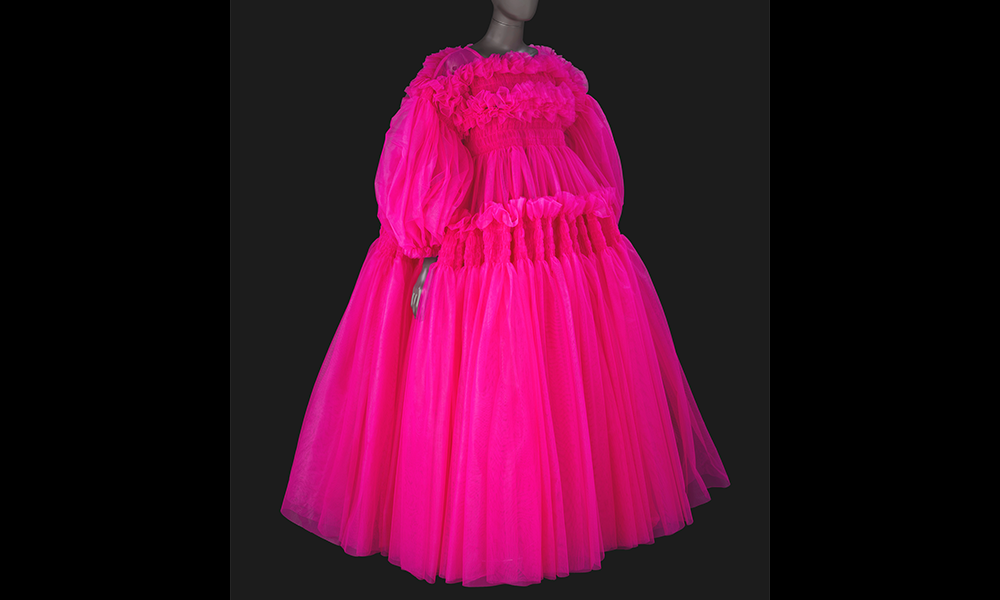
Molly Goddard’s Daria dress, once worn by Beyoncé, features 61 metres of tulle and takes pride of place in the Why We Make galleries - image by V&A East Museum
Molly Goddard’s Daria dress, once worn by Beyoncé, features 61 metres of tulle and takes pride of place in the Why We Make galleries – image by V&A East Museum

V&A East Museum – built for the community

“When I came into my role, it was at the time of the pandemic and we built a team and an idea through remote working,” said Gus.

“Part of that was informed by that period, but we wanted to create connectivity – an institution able to connect with the community.

“As soon as we were able, we got out there to see those communities, to talk to them and ask them what they wanted at the V&A East museum.

“They were really keen to tell us.

“I loved it because I got to visit more than 100 schools within a bus ride, speaking in assemblies and asking them what we should offer.

“Listening to them, many of those young people were frustrated.

“They aspired to work in the creative industries but had little or no understanding of how they might do it.

“We saw that there was a desperate need for institutions like V&A East and for young people to get engaged with them.

“So we worked with them – more than 30,000 people consulted on every area of operational and curatorial delivery.

“I hope this is an institution that reflects their aspirations, hopes and dreams and that visitors will see that as they walk through these spaces.

“Our permanent galleries are called Why We Make because we thought making was a theme that would really speak to young people.”
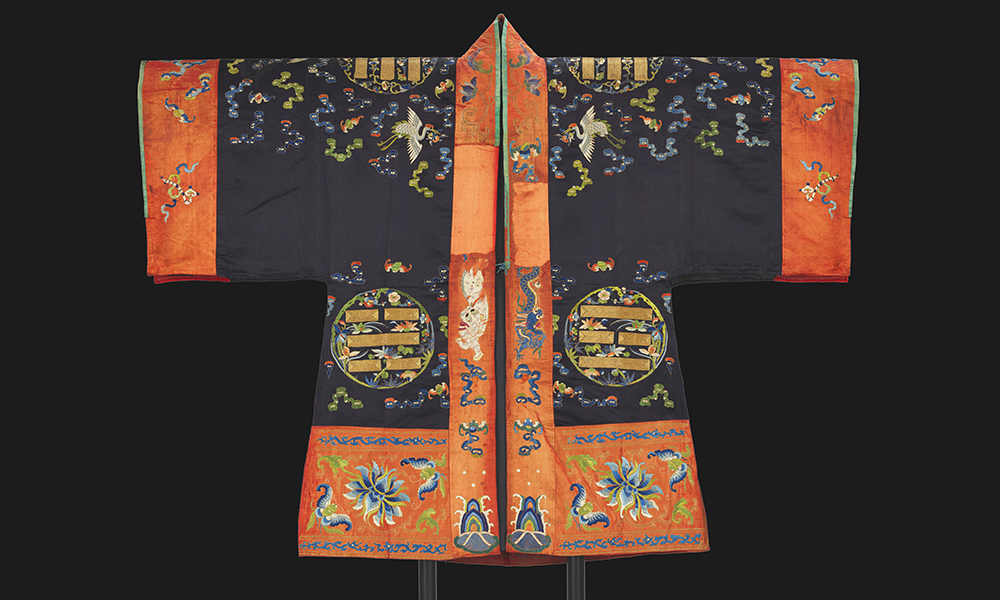
Robes worn by a Daoist priest - image by V&A East Museum
Robes worn by a Daoist priest – image by V&A East Museum

respecting the residents

“Everything here has been part of us demonstrating our respect for this place and its populations,” added Gus.

“I can’t wait to see people come streaming through these doors and absolutely fall in love with this space.

“It’s a different kind of museum, which I hope will appeal to a different kind of audience.

“The building is extraordinary. Architects O’Donnell + Tuomey have created a kind of multi-faceted jewel with gold-faced concrete and it’s absolutely exquisite.

“Inside, it has these astonishing geometric windows, which mean that almost anywhere you are, you can see out across the Olympic Park that surrounds us.

“You get a real sense of where you are when you’re inside.

“They also created circulation spaces where you can come in the entrance on the lower ground floor and walk all the way up the five floors above without encountering a door.

“We are living in societies which can feel very fractured.

“We’re located next to one of the biggest shopping centres in Europe and I hope we’ll become a place of gathering.

“Shops are wonderful, but they aren’t places of civic convening.

“We want this to be a place where particularly young people can come, hang out, learn things, but they can also be inspired.

“It’s a wonderful privilege to be the inaugural director of V&A East – it’s probably the best job in the cultural sector.

“My hope is that, as time goes on, it will also be a place where they don’t just find opportunities to remake themselves, but also to remake V&A East.”
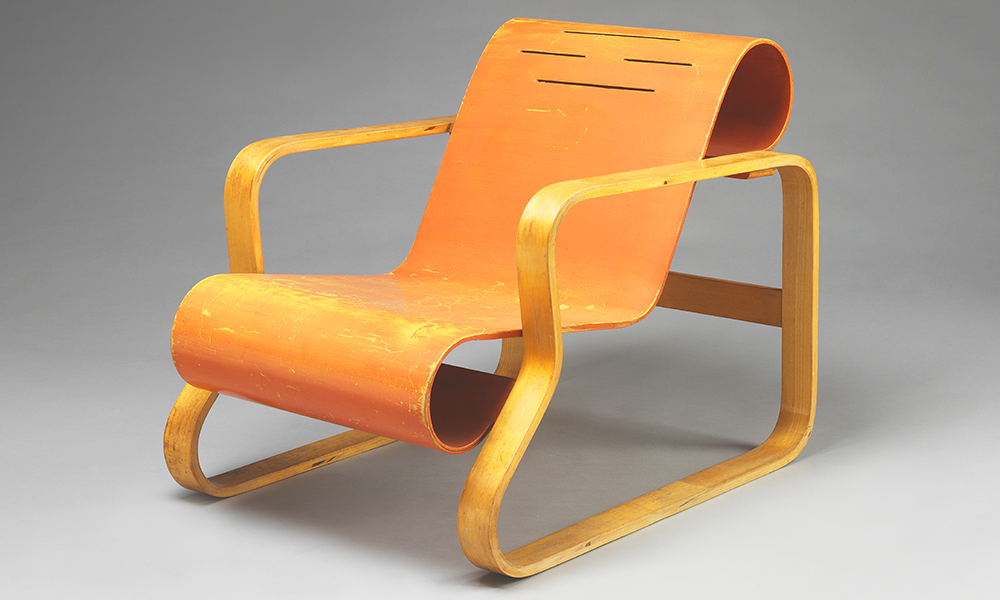
This Paimio armchair by Alvar Aalto was designed for a tuberculosis sanatorium in Finland - image by V&A East Museum
This Paimio armchair by Alvar Aalto was designed for a tuberculosis sanatorium in Finland – image by V&A East Museum

key details: V&A East Museum

V&A East Museum is located at East Bank on the edge of the Queen Elizabeth Olympic Park. 

You can find out more about the institution here.

Entry to the building is free, although tickets to see The Music Is Black: A British Story start at £22.50.

Concessions for students and those under 26 are available.
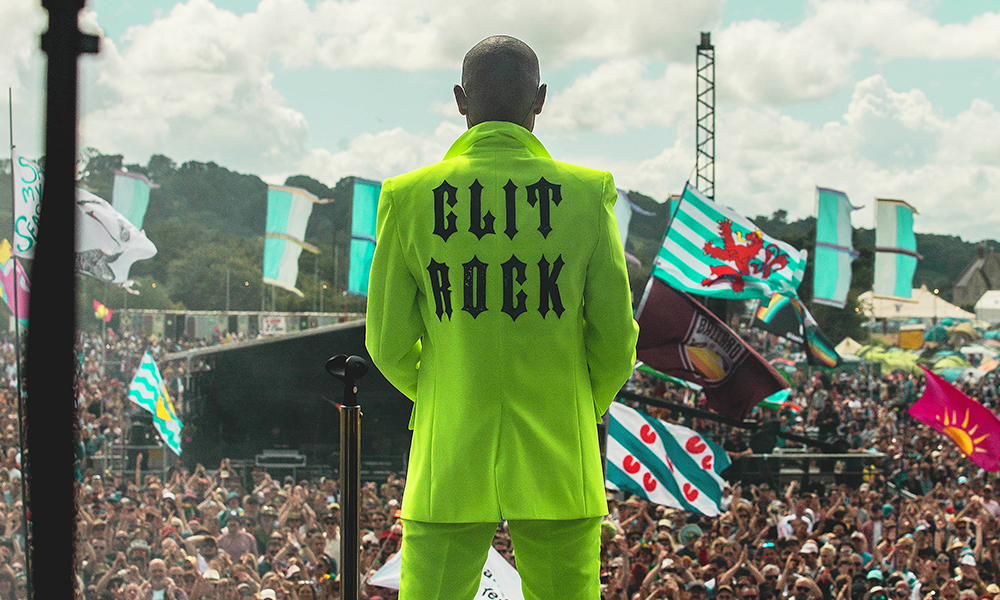
Skin of Skunk Anansie performs at Glastonbury. Her Clit Rock suit can be seen at V&A East Museum - image by Daniel Newman
Skin of Skunk Anansie performs at Glastonbury. Her Clit Rock suit can be seen at V&A East Museum – image by Daniel Newman

tried + tested: V&A East Museum

Any way you cut the complex geometry of V&A East Museum, it’s a fantastic addition both to the Stratford skyline and Newham’s cultural heft.

What Gus says about the relentless focus on connecting its spaces to the local community finds its proof in the new institution’s galleries.

The Why We Make spaces are refreshing. Superficially incongruous treasures – everything from glacial stupas to healing chairs and Daoist robes – are sewn together with a golden thread of locality.

Walk into the lower of the two galleries and you’ll immediately be confronted by Molly Goddard’s hot fuscia Daria dress, an east London creation that features 61 metres of tulle and was once worn by Beyoncé.

I’m left with no choice but to knock off a star because (teething troubles) my radar-linked Sennheiser headphones provided for a stroll round The Music Is Black: A British Story, failed to function properly.

This left me with a loop of the intro melody, rather than the 120 tracks promised. 

My guess is that given this exhibition is about music, it’s probably better when you get to hear it.

However, even without the gospel, soul, rap, r’n’b, blues, rock, folk and grime, it’s a collection worth viewing thanks to the variety and vibrancy of the exhibits.

Here too, thanks to kids from the Lansbury Estate, Dizzee Rascal, Billy Ocean and countless performers still gigging at the likes of Boisdale Of Canary Wharf, the east is ever present.

Deep cuts.

****

4/5

Read more: How Barge East is growing its canalside presence for summer 2026

Read Wharf Life’s e-edition here

Subscribe to our free Wharf Whispers newsletter here

Subscribe To Wharf Life

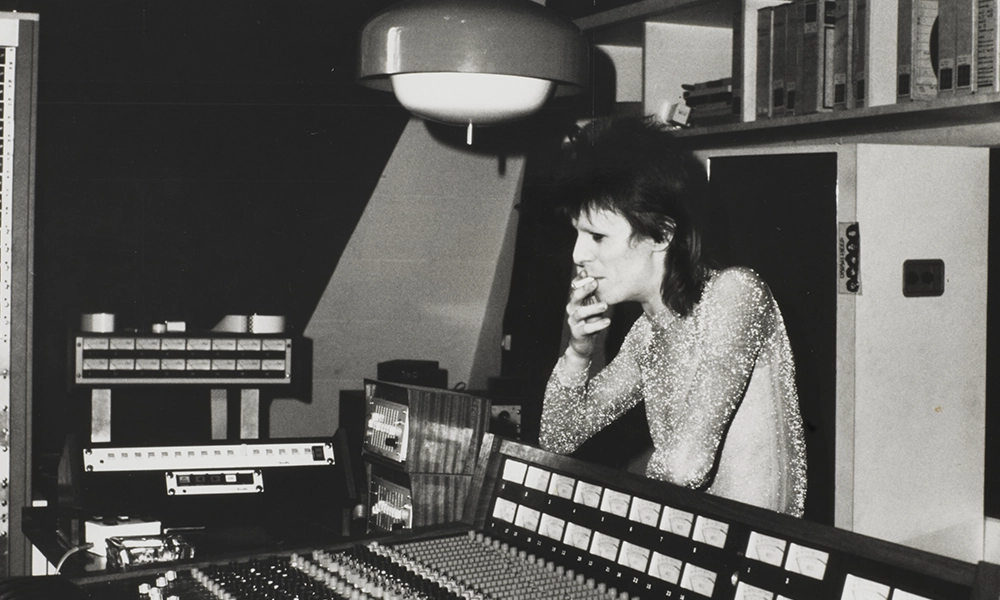
David Bowie Centre delivers astonishing archive to the public

With 90,000 objects in its collection, the V&A Storehouse-based facility makes the granular detail of Ziggy Stardust, The Thin White Duke and so many more available to view for free

The David Bowie Centre at V&A East Storehouse - image by David Parry / PA Media Assignments
The David Bowie Centre at V&A East Storehouse – image by David Parry / PA Media Assignments

Subscribe to our free Wharf Whispers newsletter here
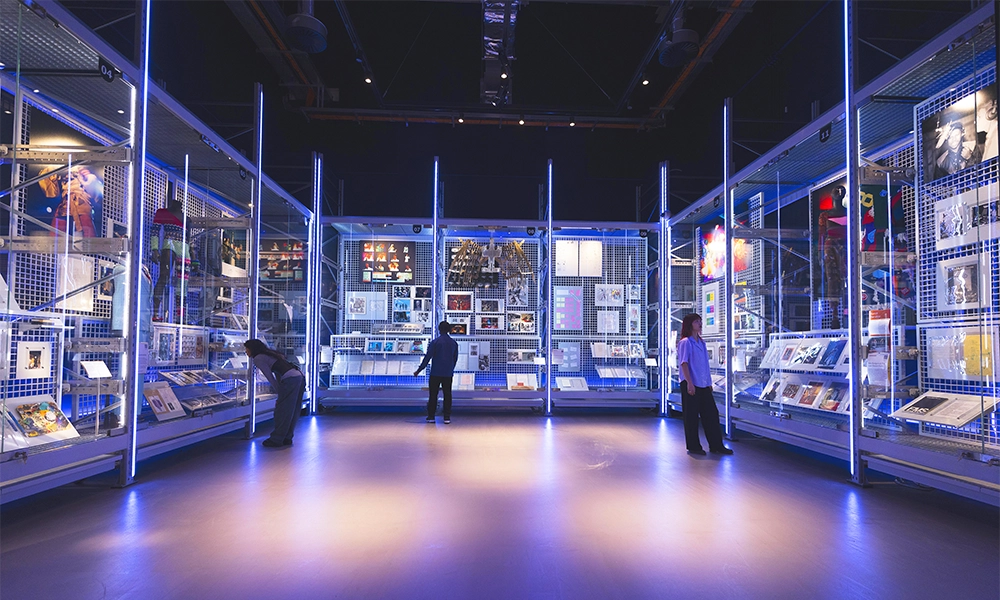
“This archive, which has 90,000 items in it, shows David Bowie as an interdisciplinary artist, musician and cultural icon – an advocate for self-expression and reinvention,” said Dr Madeleine Haddon, curator at V&A East.

“The David Bowie Centre makes this collection accessible to everyone.”

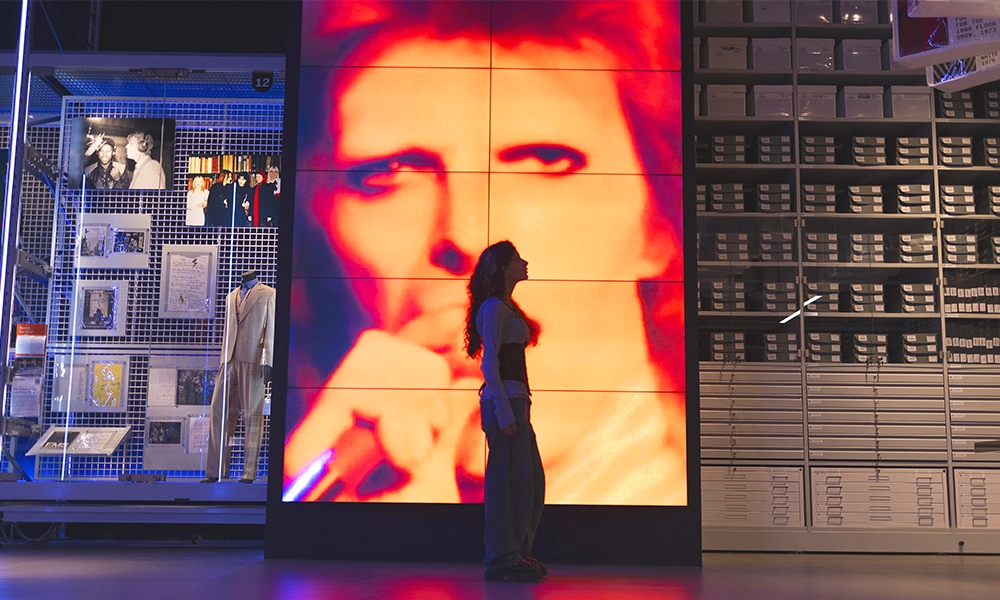
As she speaks at the launch of the dedicated, permanent exhibition space, a huge video wall plays clips from the artist’s long and storied career.

There’s a flavour of worship about the place, perhaps even deification.

Madeleine speaks of Bowie’s wide and far-ranging impact on other artists, his varied creative processes and his willingness to experiment and collaborate with others in a reverent fashion as we gaze up into the mismatched eyes of the Thin White Duke, Ziggy Stardust and the rest. 

In many ways, it’s not an unreasonable response. One of Bowie’s singular drives, it seems, was a desire to constantly archive and catalogue his endeavours.

This is evidenced by the artist’s numerous yellow post-its suggesting classification and categories that adorn much of the material. 

Thus the David Bowie Centre at V&A Storehouse in the Queen Elizabeth Olympic Park’s Here East campus might, in some senses, be viewed as the one true repository of the icon’s relics. 

A visitor considers exhibits on show at the new centre - image by David Parry / PA Media Assignments
A visitor considers exhibits on show at the new centre – image by David Parry / PA Media Assignments

the exhibits on show at the David Bowie Centre

“Behind me is a two-hour long film that traces Bowie’s live performances, music videos arranged chronologically, so you can see his evolution as a performer,” said Madeleine. 

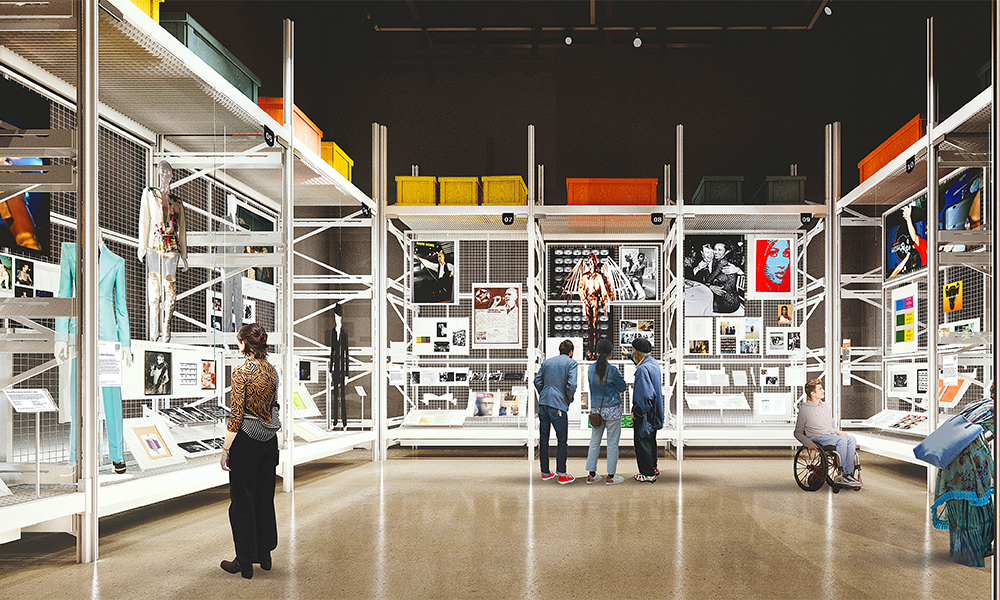
“We also have in here 200 objects from the archive that are on display, that trace his life and career, his creative processes arranged in these nine bays that look at his transformative creativity as a musician, a visual artist, a writer, designer and actor.

“Six will be on display for two years while the objects in the other three will rotate every six months in dialogue with contemporary issues we are exploring across V&A East.”

These are diverse altars of public worship, with costumes, notes and slices of his life.

Nile Rogers – who produced Bowie’s biggest-selling hit, Let’s Dance – has guest curated one, while another features Omikron: The Nomad Soul, a video game from 1999 that David did the music for, as an example of his futurism.

There’s lots to inspire and divert here, but really these displays are just a nod to the real function of the centre, one only made possible by its subject’s near fanatical amassing of his own story and its artefacts. 

This is the astonishingly rare opportunity to really delve deeply into the granular residue of his creativity. 

The centre includes a dedicated study room where anyone – not just academics and researchers – can, for free, order any item in the archive to view by appointment.

This is an extension of a service that’s available throughout the V&A’s massive collections.

Due to the depth of the Bowie archive, however, this presents a tantalising prospect for enthusiasts. 

Of the 90k objects in the archive, 70k are pieces of paper that David and his team had already organised to some extent.

There are hand-written song lyrics, annotated scripts and sketches of ideas, costumes and props for various projects.

Their existence means that, for much of Bowie’s extensive output, there’s background material available to the public – concepts that never made it, comments from the time of creation and thoughts on the future.

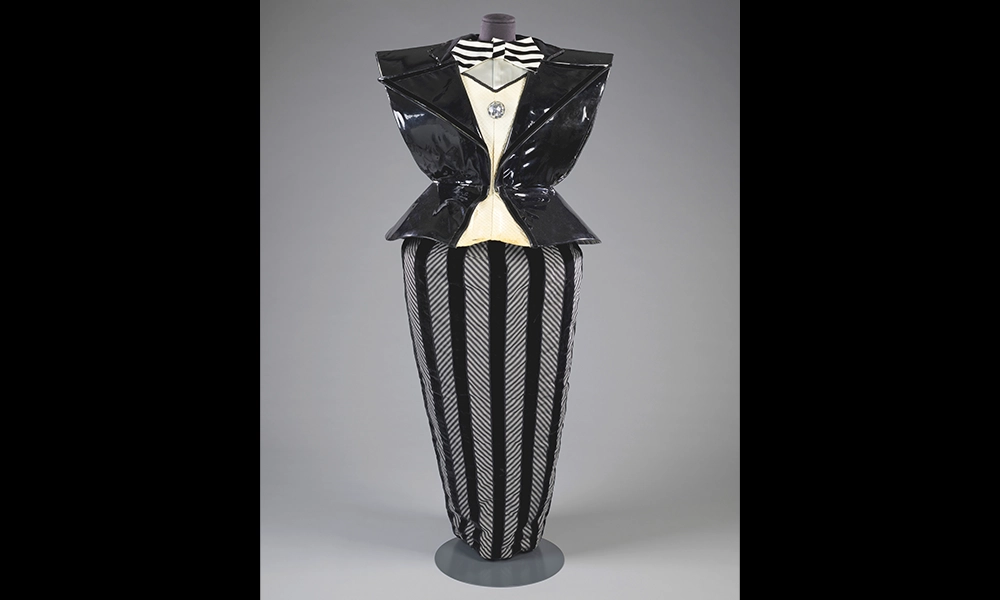
Costume designed by Mark Ravitz and David Bowie, worn by David Bowie, to perform Man Who Sold the World, on Saturday Night Live in 1979 - image courtesy of the V&A
Costume designed by Mark Ravitz and David Bowie, worn by David Bowie, to perform Man Who Sold the World, on Saturday Night Live in 1979 – image courtesy of the V&A

the chance to dive deep

At the centre’s launch event, for example, I’m shown a series of designs for clothing and puppets to be used on Bowie’s 1979 appearance on Saturday Night Live with Klaus Nomi and Joey Arias as backing singers.

It’s the one where he sang The Man Who Sold The World

There really is a thrill in seeing simple sketches by someone who achieved such success in their lifetime juxtaposed with the kind of doubtful notes we all might make on a pad of paper.

The crossings-out are a light reminder that Bowie was human, after all. 

But the centre offers more than this.

Also in the study room when I visit is the actual costume Bowie wore for the show.

Modelled after Nomi’s aesthetic, the angular tux prevented David from walking, so he had to be placed before the mic by his artistic accomplices at the start of the performance.

This is the magic. The opportunity to see one-to-one designs springing so vibrantly off the page and into reality.

There’s a feeling visitors could, with a bit of research, replicate this with so many of the objects in Bowie’s archive, discovering the origin story of each piece.

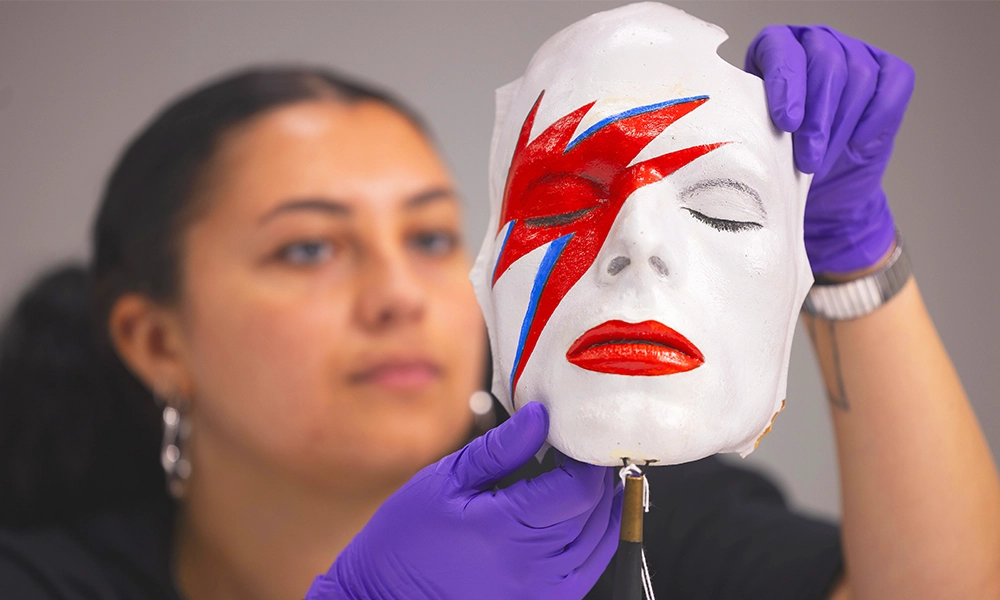
A V&A Collections Access Officer handles a life mask by William Forsche of David Bowie’s face painted to resemble his makeup from Aladdin Sane – image by David Parry for the V&A

archiving himself

“Bowie saved everything from scribbled notes to elaborate sketches and is a powerful reminder that no idea is too small and that the creative process is worth documenting at every stage,” said Madeline.

“You get to see that behind the scenes here at the David Bowie Centre.

“This approach is one that is a rich legacy for all artists in all disciplines and all backgrounds who we hope will come and visit us here.”

It’s worth noting, perhaps, that while the Bowie archive does lend itself to detailed exploration, those visiting Storehouse who simply wish to drop in will still be rewarded. 

The centre works on many levels. There are easily accessible copies of some of the archive’s popular documents on show and the bays of exhibits to enjoy.

There’s also the seemingly endless barrage of images from the video screen and an especially curated soundtrack of Bowie’s songs. But most of all, visitors will be left with the unmistakeable impression of complexity. 

As an artist known for his constant reinvention, seeing the working behind the illusion only impresses at the sheer relentless energy it must have taken to achieve so much. 

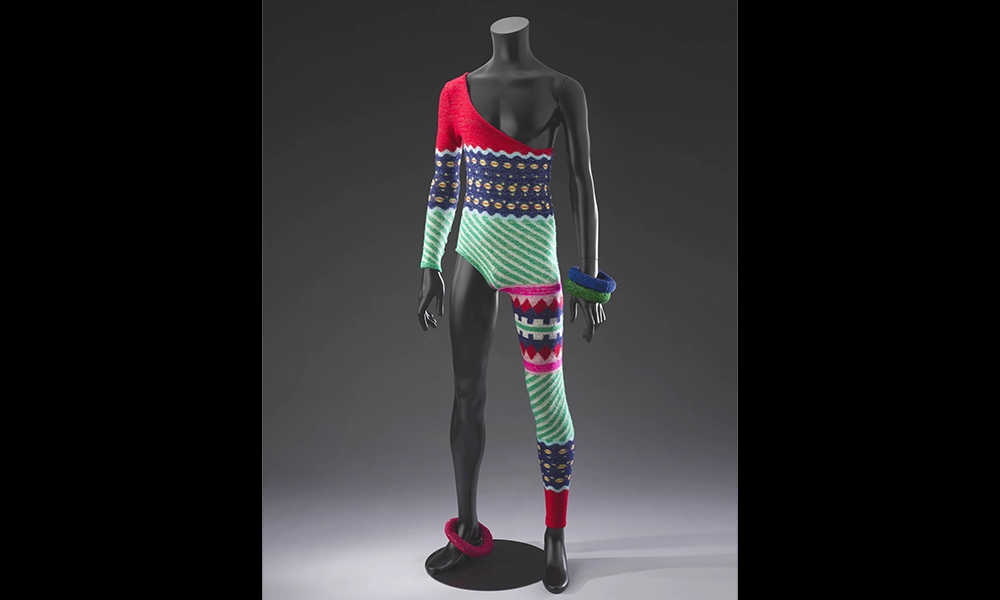
Asymmetric catsuit David Bowie wore as Ziggy Stardust, designed by Kansai Yamamoto in 1973 - image courtesy of the Victoria And Albert Museum
Asymmetric catsuit David Bowie wore as Ziggy Stardust, designed by Kansai Yamamoto in 1973 – image courtesy of the Victoria And Albert Museum

key details: David Bowie Centre

Entry to V&A Storehouse at Here East in the Queen Elizabeth Olympic Park is free and includes access to the David Bowie Centre. 

The museum is open from 10am daily and usually closes at 6pm except on Thursdays and Saturdays when it’s open until 10pm.

Find out more about the new centre here

Read more: Cody Dock becomes a keeper of the River Lea’s stories

Read Wharf Life’s e-edition here

Subscribe to our free Wharf Whispers newsletter here
Subscribe To Wharf Life

V&A East Storehouse to bring something fresh to museum sector

V&A deputy director and COO Tim Reeve on the institution’s ambitions and plans for the Here East site

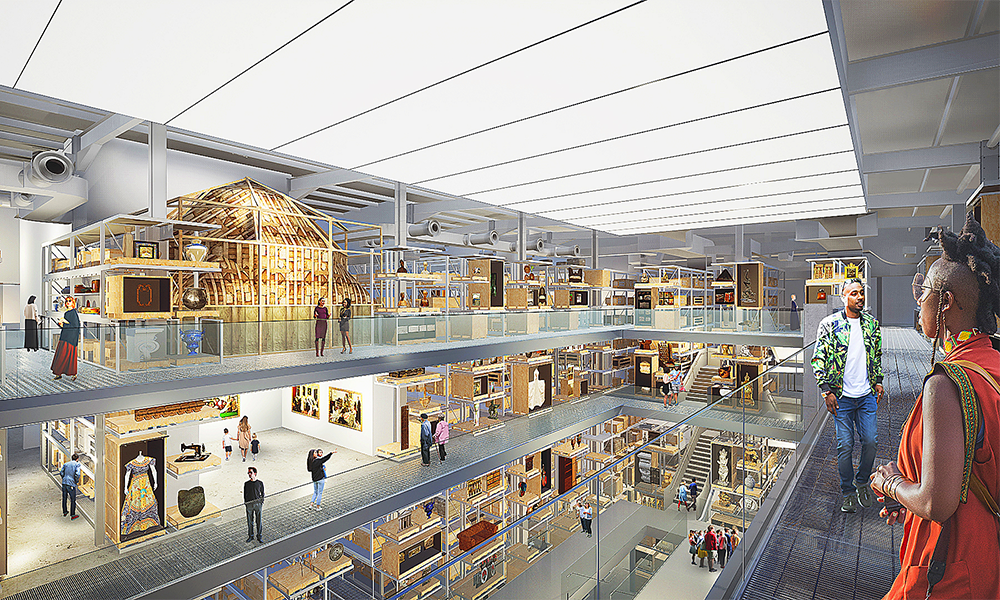
An artist's impression of V&A East Storehouse - image Diller Scofidio + Renfro
An artist’s impression of V&A East Storehouse – image Diller Scofidio + Renfro

Subscribe to our free Wharf Whispers newsletter here
“I hope it will feel welcoming, but I also really like the idea of visitors wondering if they’re really allowed access to all these space, that maybe they’re somewhere they shouldn’t be,” said Tim Reeve, deputy director and COO of the V&A and chair of the East Bank Board.

We’re talking about the first of two sites that the museum is set to open in Stratford as it expands its offering across the capital.

V&A East Museum is set to launch in spring 2026 at East Bank and will celebrate making and the power of creativity to effect change in the world.

V&A East Storehouse, however, goes far beyond conventional displays and promises something entirely new.

Housed at Here East about a 10-minute walk across the Queen Elizabeth Olympic Park from East Bank itself, the V&A is creating a vast publicly accessible facility where its diverse non-display collection and archives can be looked after for the next century. 

Spread over some 173,000sq ft, it is set to arrive first, opening its doors to the public on May 31, 2025.

V&A COO and deputy director Tim Reeve - image Jon Massey
V&A COO and deputy director Tim Reeve – image Jon Massey

a second site

“While we were engaged in the process of working out what V&A East Museum would be – how it would be distinctive and reflect the local geography and demographic of the people around East Bank – we were also talking to the Government about the future of Blythe House,” said Tim.

“That’s the place in West Kensington where we stored all our non-display collections – about 250,000 objects, 350,000 books and 1,000 archives.

“It was made clear to us, along with the Science Museum and British Museum – which also use it as  store – that we needed to leave because the building was to be redeveloped.

“That was a pain, because you don’t want to be moving a collection of our sort more often than you have to, due of the delicacy of the objects and the expense.

“However, it was also a clarifying moment for the V&A East project with the idea that we could find a place for our Blythe House objects, books and archives and that we could create two sites in east London.

“We just needed to find a space big enough and close enough to East Bank to make sense. Looking at the two sites together, you get a complete 360-degree view of the contemporary museum world.”

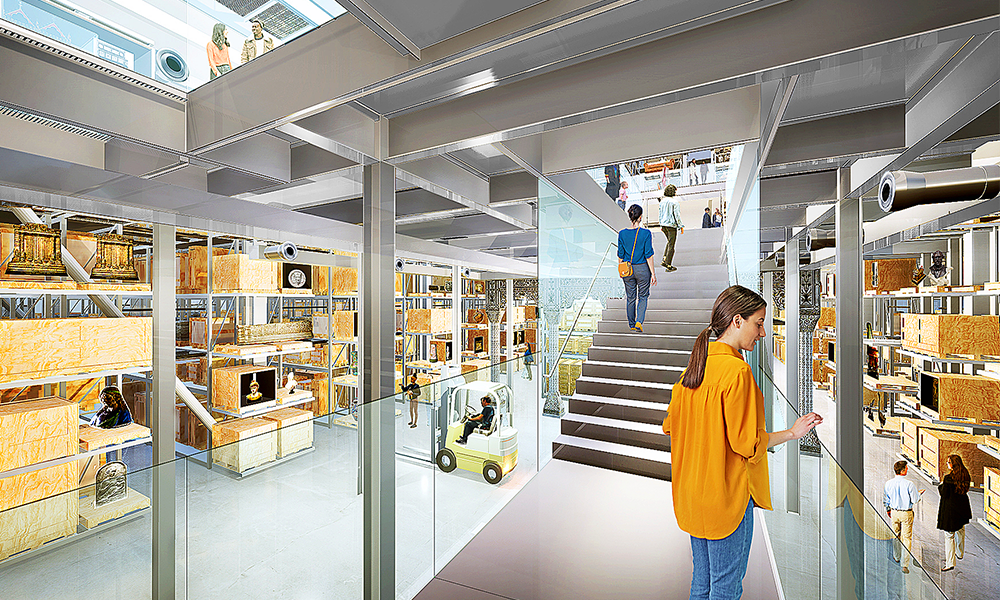
An artist’s impression of V&A East Storehouse – image Diller Scofidio + Renfro

tucked away: V&A East Storehouse

While V&A East Museum, with the dramatic angles of its purpose-built home at East Bank, will be the more visually striking, in content it will probably feel the more familiar of the two with galleries, exhibitions, a cafe and a shop.

Somewhat tucked away in the former Media And Broadcast Centre built for the 2012 Olympics, V&A Storehouse is deliberately radical.

Storehouse will be a place where our objects live and where we look after them,” said Tim. “We know people want to see what they’ve been told they can’t – where the magic happens.

“So V&A East Storehouse has been created to facilitate people’s exploration of the bit of our organisation that would normally be hidden – a visitor experience that’s self-guided and free every day of the year.

“We have an absolutely enormous, amazing space, where we can fit everything in, with some space to spare as the collection grows.

“We’re building some of our showpiece objects into it such as architectural fragments from the Robin Hood Gardens estate and we’ve come up with a public network of spaces intertwined with the collection. 

“That will be a 60 to 90-minute, self-guided tour of exploration as people burrow their way up through the building and arrive in this incredible atrium.

“From there you can keep exploring and see how far you can get – it’s been designed to allow visitors to get as far as possible.

“Moving all our stuff from Blythe House is incredibly expensive, so we thought we might as well create a new world with it and that’s what we’ve done at Storehouse.

“The idea is you will breathe the same air as the objects we hold.

“A visit is the start of a journey and we hope people will come back when they realise they can browse as much as they like.

“Here East is a warehouse, an industrial building – not a marble-clad museum. It’s humble and we want as many people as possible to visit. 

“It’s also a source to be mined and returned to, constantly changing as it’s also a working building with objects going out on loan or for conservation.”

A section of the Robin Hood Gardens estate is installed at Storehouse
A section of the Robin Hood Gardens estate is installed at Storehouse – image by V&A

east London influence

Designed by architects Diller, Scofidio + Renfro, Storehouse will be home to an extensive and varied collection including creative works from The Glastonbury Festival Archive, PJ Harvey and Elton John’s costumes, vintage football shirts, Dior and Schiaparelli haute couture, Roman frescos, samurai swords, mid century furniture and the iPhone.

A dedicated David Bowie Centre will showcase artefacts from the musician and performer’s archive with rotating displays set to open in September.

More than 100 miniature displays on the ends of storage systems will highlight specific exhibits including those relating to this part of the capital.

 “There will be lots of east London influence in the way we’re displaying and interpreting the collection,” said Tim.

“Our piece of Robin Hood Gardens was the first thing we installed here because it’s so enormous.

“It’s one of the first things visitors will see when they climb the stairs. 

“Our collection is international and so we want to bring out its full splendour, depth and range and there are some really wonderful east London stories we want to showcase, drawing inspiration from the connections with the local community we have built. 

“I think walking in on opening day will be a really emotional moment. 

“Colleagues across the institution have poured so much time and energy into it, through some really tricky moments, of which we’ve had more than our fair share.

“It’s the most important thing I’ve done in my professional life, and will probably be the most important thing I ever do.

“I feel I’ve been really lucky to be involved in creating such a project since 2013. 

“You have a light bulb moment and think what it would be like to see it happen – to be around from beginning to end.

“There were moments when it felt like it might never happen.

“But as an institutional lift, it doesn’t get any better.

“And we are here for the long term.

vWe have a 100-year lease at Here East and 200 at East Bank.

“One of the biggest treats for us is seeing people who were here before the Olympics realising that these things are being created for their benefit.

“The interplay between the different types of organisations at East Bank make the future very interesting – a special destination.”

An artist's impression of the David Bowie Centre - image by IDK
An artist’s impression of the David Bowie Centre – image by IDK

key details: V&A Storehouse

V&A East Storehouse is set to open on May 31, 2025, at Here East on the Queen Elizabeth Olympic Park.

Entry will be free. The David Bowie Centre will open on September 13.

V&A East Museum will launch in spring 2026 at East Bank in Stratford. 

Find out more about the openings here

Read more: Will you take on the Santa Stair Climb in Canary Wharf?

Read Wharf Life’s e-edition here

Subscribe to our free Wharf Whispers newsletter here
- Jon Massey is co-founder and editorial director of Wharf Life and writes about a wide range of subjects in Canary Wharf, Docklands and east London - contact via jon.massey@wharf-life.com
Subscribe To Wharf Life

East Bank director Tamsin Ace on collaboration at Stratford campus

How Sadler’s Wells East, London College Of Fashion, UCL East, BBC Music Studios and V&A East are coming together at the cultural hub

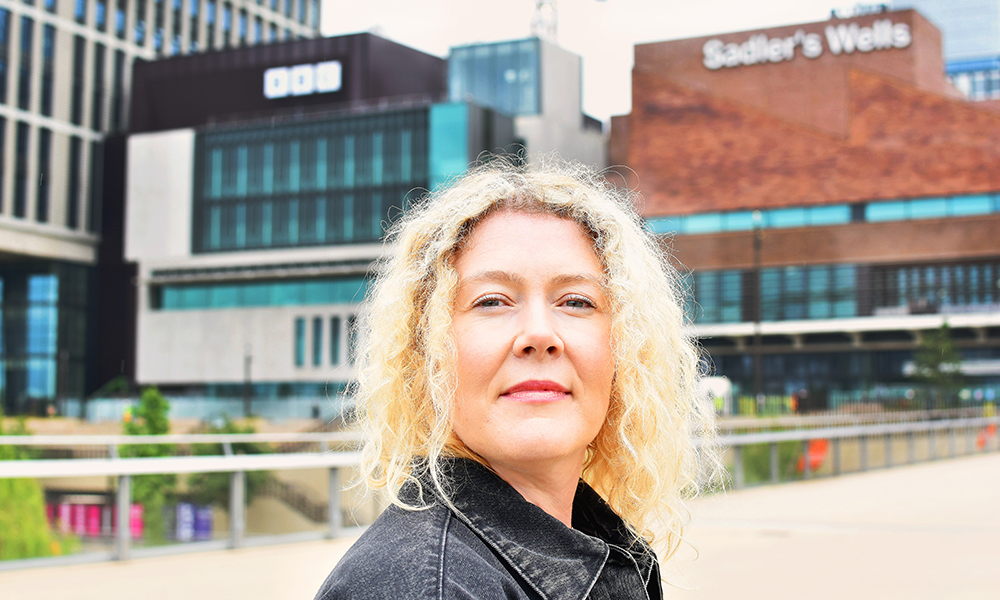
Image shows Tamsin Ace, a woman with curly blonde hair in a black denim jacket in front of buildings at Stratford's East Bank
East Bank director Tamsin Ace

Subscribe to our free Wharf Whispers newsletter here
East Bank is, arguably, the final great piece in Stratford’s Olympic legacy jigsaw.

Comprising significant bases for five totemic institutions, it’s set to be fully open by the end of 2025 – 13 years after the 2012 Games put east London in the global spotlight.    

Building on the successes of the Queen Elizabeth Olympic Park – including all the former sports venues and the extensive residential and commercial regeneration that has taken place locally – East Bank delivers something different for the area.

Even if just one of the London College Of Fashion, the V&A, the BBC, Sadler’s Wells and UCL had chosen to create a new base in Stratford, it would have been seen as a triumph for the architects of the Games.

That all five are committed to the project gives East Bank a kind of cultural and educational heft that hasn’t been seen in the capital for decades.

With four of the organisations sitting proudly overlooking the park on the edge of the River Lea and UCL a short walk away, the concentration of is palpably powerful.

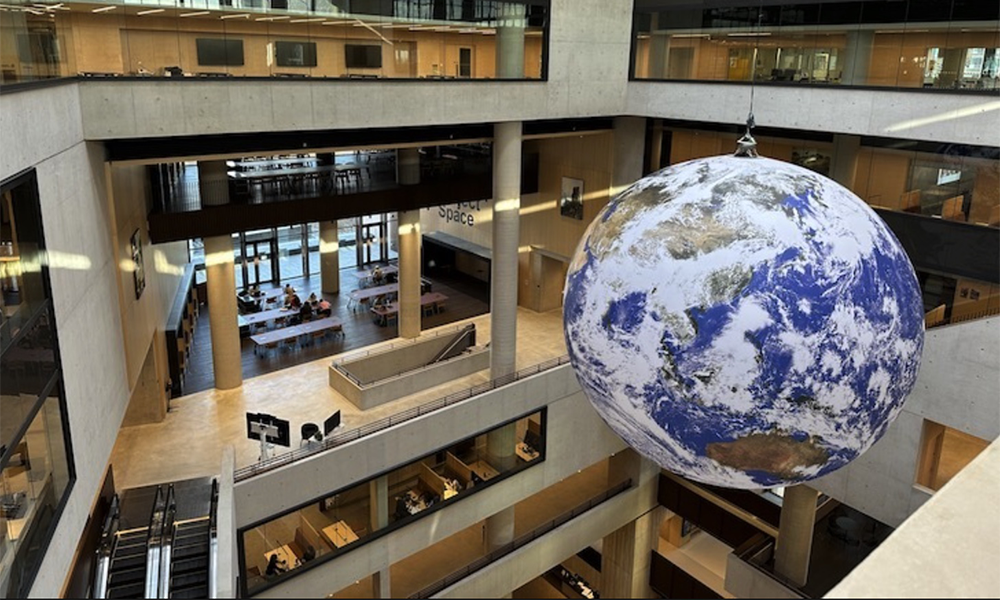
Image shows a sculpture of the Earth hanging inside a large concrete atrium at UCL East on the Queen Elizabeth Olympic Park
UCL East is now fully up and running

greater than the sum: East Bank

There’s a wealth of potential for collaboration and interaction between the five, but the project isn’t leaving things to chance and happenstance.

Tamsin Ace arrived as director of East Bank in September last year – more or less at the same time the London College Of Fashion began welcoming staff, students and visitors to its new campus.

With UCL East also fully open and Sadler’s Wells East set to launch later this year, it’s her job to help maximise interaction between the organisations for the benefit of all – cementing the cultural legacy of the Games.

“My role is to support and enable all these institutions to come together and to make sure they build on each other’s ideas and resources, while also thinking about how they can connect better,” she said.

“It’s a gift, because all of these partners want to be here and to connect.

“They all want to put down roots and have a home in east London, to listen and learn from the amazing heritage and history of the creative communities that have been in this area long before East Bank was even a twinkle in London’s eye.

“To do that I have the full support of the project’s board, which is made up of the principals of the five main partners.

“I’ve got a pass to all of the buildings so I can work from any of them and also understand their programmes and the different ways they work.

“We have creative working groups to discuss opportunities and plans, so my job is to have my ear to the ground, to know what everyone’s thinking and planning.

“It’s also to be out in the community, being really visible, talking to people and hearing what their priorities are so I can help create links.”

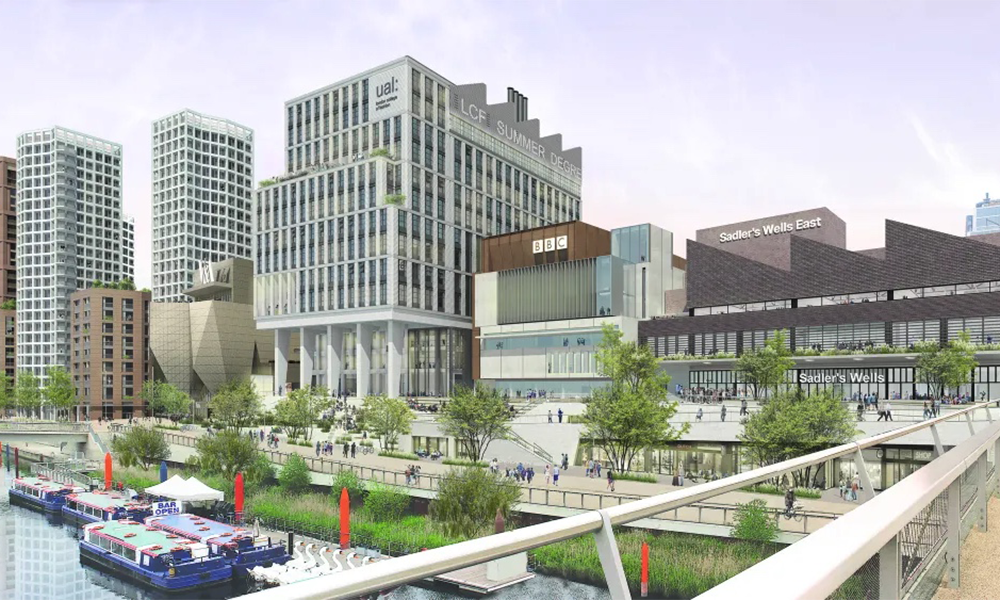
Image shows a computer generated picture of the London College Of Fashion, V&A East, BBC Music Studios and Sadler's Well's East at East Bank
An artist’s impression of how East Bank will look when work is finished

cultural programming

Having studied drama at university, Tamsin initially headed for the classroom after realising that acting and “being a Spice Girl” weren’t really for her.

But life as a teacher wasn’t right either and she wound up working for small arts centres instead.

“I was engaging with children and young people and through that found out about this kind of role – developing ways to get different audiences involved and to unlock and learn from their creativity,” she said.

“I love it when the magic comes together and something you hadn’t thought possible is created.”

After more than a decade doing just that at the Southbank Centre – “implementing festival methodology to create the feel of a bustling port city at arts venues by programming around central themes” – and roles at the Museum Of The Home in Shoreditch and at the London College Of Fashion, she’s come to East Bank to help fulfil its 2012 legacy promise.

“All five of our institutions have got public-facing programmes and my job is to connect the dots,” she said.

“We’re all talking all the time. It’s about collaboration, sharing resources and ideas, and it’s also about embedding ourselves in the community.

“It’s also about being open with our priorities and aims, and properly connecting with people who are living and working here.

“Over the last seven years, the organisations have all been building links with key partners such as schools to build programmes that respond to the needs and values of the people locally.

“Ultimately, we want visitors, students and staff to be able to navigate East Bank’s five buildings and understand how they connect to each other.

“In 10 years’ time I would love to see large-scale programming across all of the organisations that builds on their amazing creativity and skills.”

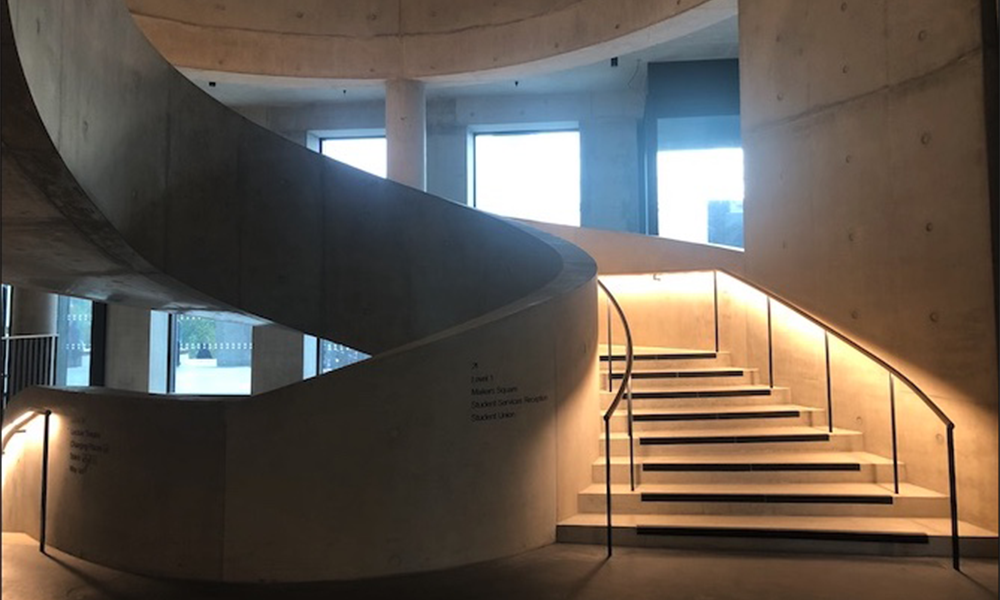
Image shows a curved concrete staircase at the London College Of Fashion in Stratford
Students and staff are already enjoying the London College Of Fashion’s new base

a new hub for creativity

“I think this place can be as successful as the Southbank Centre – there will be enough for everyone here – but I think they are two very different offers,” added Tamsin.

“There’s a magic about coming to this part of the city with its busy, bustling shopping experience at Westfield and then East Bank for culture and creativity.

“I think if we get the local story right and have a programme that is relevant to the community then we’ll get the world right too.

“Tourists will come because they want to feel they are part of events that really do mean something.”

While University College London and the London College Of Fashion are up and running, something of a watershed moment is coming for the project with the opening of Sadler’s Wells East later this year.

“That will be the first of our cultural partners to have an offering as part of the night-time economy and it will be really exciting to see how the evening shows and workshops change this space,” said Tamsin.

“Sadler’s Wells has also got its hip-hop academy opening, so we’ll have 16 to 19-year-olds learning and practising on-site.

“The building has been designed with an outside and inside feel, so we’re hoping people will get the idea of dance tumbling out into the public realm and people will come to see the next generation of dancers performing or warming up.

“I’m really excited about this summer because this is the time we’re really starting to build that  excitement and buzz – that East Bank is a place you can come and bump into amazing art and ideas.

“It’s a bit of a taster of what’s to come as we build and grow towards total opening by the end of 2025.

“It’s exhilarating and I can’t wait to see how it feels when all five organisations are open. 

“You might be walking from UCL over to the Stratford waterfront and know you’ve got a BBC orchestra rehearsing in one of the studios, a big exhibition at V&A East, dancers performing on the community dance floor outside Sadler’s Wells East and a fashion show being cooked up at the London College Of Fashion. 

“I want everyone who comes here to feel that same sense of excitement and pride we all felt around the 2012 Games themselves.”

Image shows a dancer dressed in black interacting with a staircase ahead of Greenwich + Docklands International Festival in Septemeber
Greenwich + Docklands International Festival is set to come to Stratford in 2024

coming up at East Bank

This summer is when things really start to happen at East Bank in 2024.

Activities kick off with the Great Get Together on June 15 – a free community event at the Queen Elizabeth Olympic Park with activities spanning music, dance, arts, sports and, naturally food.

Then, there’s the UCL Festival Of Engineering on July 15, a celebration of 150 years of advancements in technology, problem solving and creating things.

July will also see London College Of Fashion students present their work, with an exhibition at the East Bank campus, while V&A East will unveil its Made In East London commission – artworks that will be displayed on its exterior.

August is all about the hip hop, with breaking sessions at Sadler’s Wells East scheduled for 3, 5-8 and 9-10. 

Then, September 7 sees the Greenwich + Docklands International Festival pitch up at neighbouring Stratford Cross with its Dancing City programme.

Find our more about the campus here

Read more: How Third Space has expanded its offering at Canary Wharf

Read Wharf Life’s e-edition here

Subscribe to our free Wharf Whispers newsletter here
- Jon Massey is co-founder and editorial director of Wharf Life and writes about a wide range of subjects in Canary Wharf, Docklands and east London - contact via jon.massey@wharf-life.com

Subscribe To Wharf Life