

Opening of major cultural venue at East Bank in Stratford is another key piece in the 2012 Games’ legacy at the Queen Elizabeth Olympic Park
Subscribe to our free Wharf Whispers newsletter here
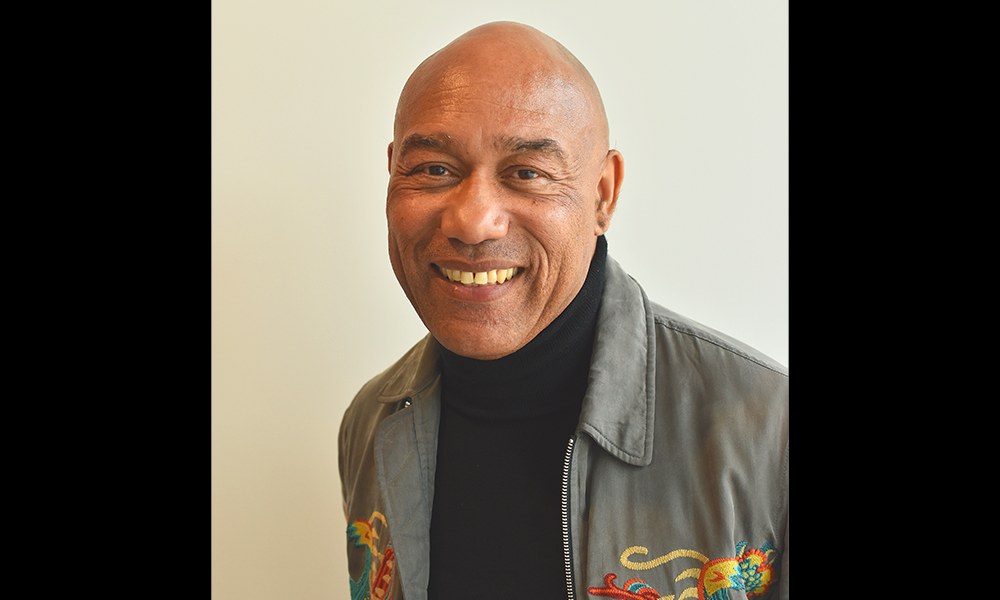
“This is a place of dreams and possibilities,” said Gus Casely-Hayford, director of V&A East.
“What it needs now is people to come in and make them real.”
Speaking at the launch of V&A East Museum, the more prominently located second half of the west London institution’s new empire in this part of the capital, there’s a thrill in his voice.
Storehouse, located at Here East, has been a resounding success, welcoming 600,000 visitors through its doors since it opened last year, despite being somewhat tucked away amid the fabulous sprawl of the Queen Elizabeth Olympic Park.
The new museum sits on one end of East Bank beside the London College Of Fashion, the new BBC Music Studios and Sadler’s Wells East.
Its opening is a key part of the 2012 Games’ cultural legacy.
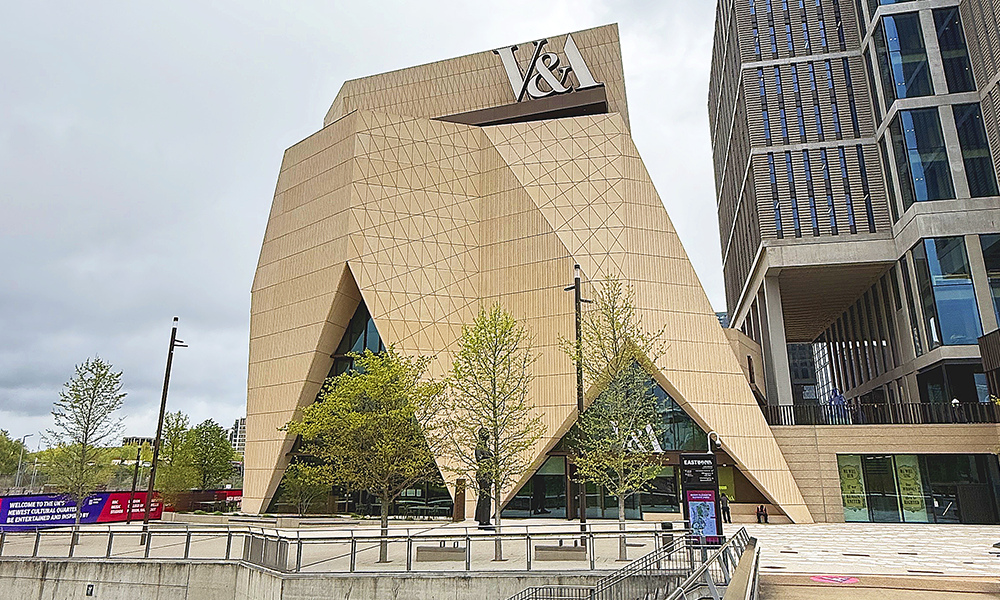
Just like the South Bank, these buildings are statements of intent, powerhouses for the arts rising proudly above Waterworks River with the V&A’s golden geometric concrete arguably the most visually striking.
But for Gus, it’s the flow of young minds in and out of its doors that he and the team care most about, the museum’s connection to the community.
becoming the ladder
“East London is the place that gives us Alexander McQueen, David Bailey and so many other creators who had to struggle and fight in their fledgling careers to get their feet on the first rung of the ladder,” he said.
“For all those future makers and artists, we want to be there as that ladder.
“It shouldn’t just be middle class kids who have an uncle who works in film or an aunt who runs a gallery that succeed.
“It’s wonderful they have those opportunities, of course, but how do we ensure that those without those advantages in east London can get purchase on careers in the creative industries?
“I’m proud of the sense of possibility we’ve created here.”
Over simplifying, if Storehouse is a place to hold, look after and offer access to the 280,000 objects in the V&A family, chronicling some 5,000 years of human creativity, V&A East Museum is a place to show them off in tightly curated, thought-provoking ways.
To that end, it features two permanent Why We Make galleries, packed with treasures that are free to view.
There’s also an exhibition space, currently occupied by The Music Is Black: A British Story, which aims to illuminate 125 years of black British music via exhibits, stories and sound.
On its fifth floor there’s a terrace and another free exhibition, Dispersal, which captures the businesses that called this part of London home before the Olympics.
Then, on its lowest level, there’s Café Jikoni, a partnership with a restaurant group known for “cooking across borders”.
Even on press day it’s easy to see how these spaces will quickly fill with visitors, thanks in part to a programme of free live events, including a takeover by DJ Nia Archives, workshops and talks.
V&A East Museum – built for the community
“When I came into my role, it was at the time of the pandemic and we built a team and an idea through remote working,” said Gus.
“Part of that was informed by that period, but we wanted to create connectivity – an institution able to connect with the community.
“As soon as we were able, we got out there to see those communities, to talk to them and ask them what they wanted at the V&A East museum.
“They were really keen to tell us.
“I loved it because I got to visit more than 100 schools within a bus ride, speaking in assemblies and asking them what we should offer.
“Listening to them, many of those young people were frustrated.
“They aspired to work in the creative industries but had little or no understanding of how they might do it.
“We saw that there was a desperate need for institutions like V&A East and for young people to get engaged with them.
“So we worked with them – more than 30,000 people consulted on every area of operational and curatorial delivery.
“I hope this is an institution that reflects their aspirations, hopes and dreams and that visitors will see that as they walk through these spaces.
“Our permanent galleries are called Why We Make because we thought making was a theme that would really speak to young people.”
respecting the residents
“Everything here has been part of us demonstrating our respect for this place and its populations,” added Gus.
“I can’t wait to see people come streaming through these doors and absolutely fall in love with this space.
“It’s a different kind of museum, which I hope will appeal to a different kind of audience.
“The building is extraordinary. Architects O’Donnell + Tuomey have created a kind of multi-faceted jewel with gold-faced concrete and it’s absolutely exquisite.
“Inside, it has these astonishing geometric windows, which mean that almost anywhere you are, you can see out across the Olympic Park that surrounds us.
“You get a real sense of where you are when you’re inside.
“They also created circulation spaces where you can come in the entrance on the lower ground floor and walk all the way up the five floors above without encountering a door.
“We are living in societies which can feel very fractured.
“We’re located next to one of the biggest shopping centres in Europe and I hope we’ll become a place of gathering.
“Shops are wonderful, but they aren’t places of civic convening.
“We want this to be a place where particularly young people can come, hang out, learn things, but they can also be inspired.
“It’s a wonderful privilege to be the inaugural director of V&A East – it’s probably the best job in the cultural sector.
“My hope is that, as time goes on, it will also be a place where they don’t just find opportunities to remake themselves, but also to remake V&A East.”
key details: V&A East Museum
V&A East Museum is located at East Bank on the edge of the Queen Elizabeth Olympic Park.
You can find out more about the institution here.
Entry to the building is free, although tickets to see The Music Is Black: A British Story start at £22.50.
Concessions for students and those under 26 are available.
tried + tested: V&A East Museum
Any way you cut the complex geometry of V&A East Museum, it’s a fantastic addition both to the Stratford skyline and Newham’s cultural heft.
What Gus says about the relentless focus on connecting its spaces to the local community finds its proof in the new institution’s galleries.
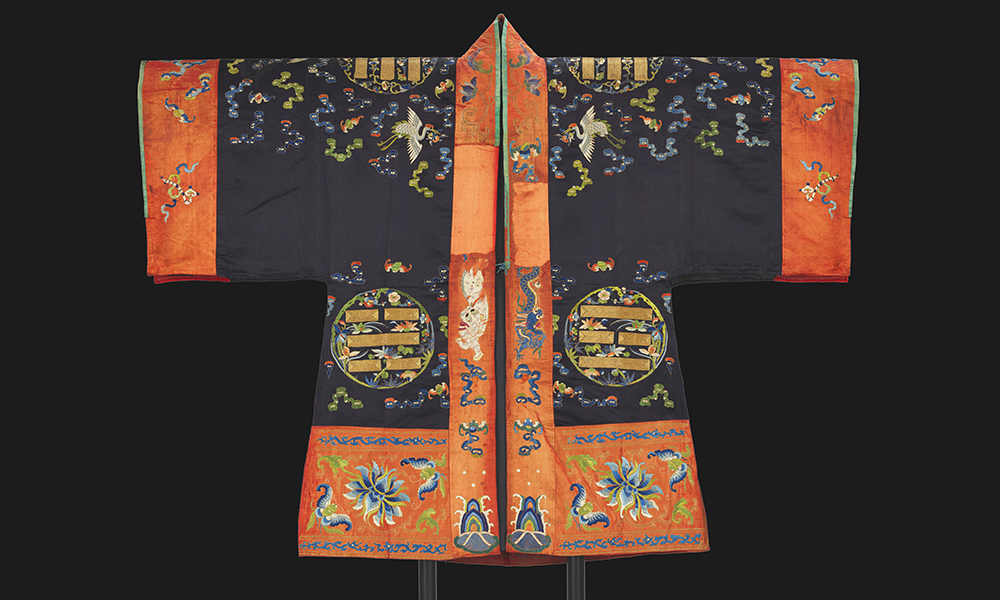
The Why We Make spaces are refreshing. Superficially incongruous treasures – everything from glacial stupas to healing chairs and Daoist robes – are sewn together with a golden thread of locality.
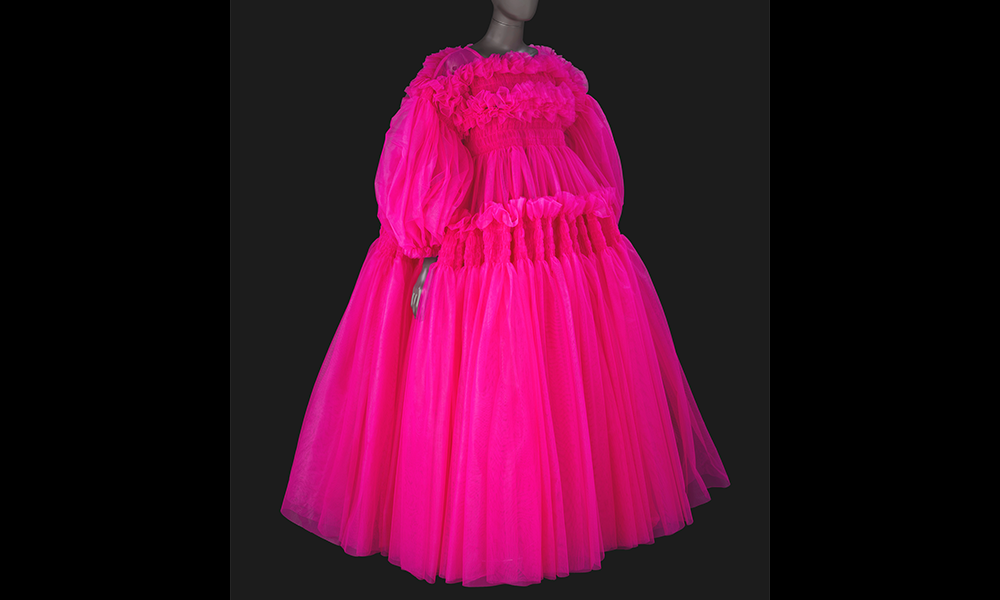
Walk into the lower of the two galleries and you’ll immediately be confronted by Molly Goddard’s hot fuscia Daria dress, an east London creation that features 61 metres of tulle and was once worn by Beyoncé.
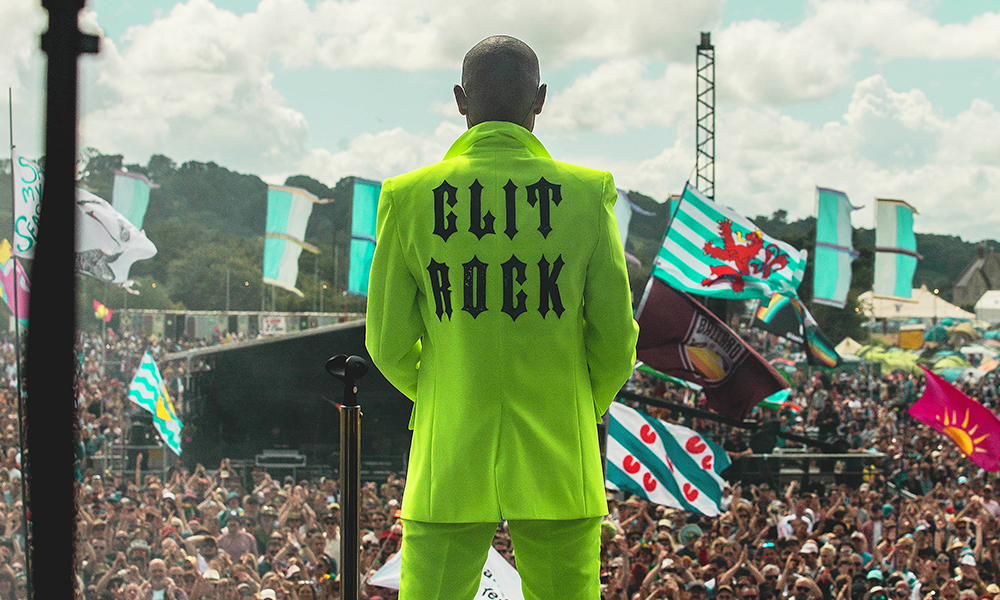
I’m left with no choice but to knock off a star because (teething troubles) my radar-linked Sennheiser headphones provided for a stroll round The Music Is Black: A British Story, failed to function properly.
This left me with a loop of the intro melody, rather than the 120 tracks promised.
My guess is that given this exhibition is about music, it’s probably better when you get to hear it.
However, even without the gospel, soul, rap, r’n’b, blues, rock, folk and grime, it’s a collection worth viewing thanks to the variety and vibrancy of the exhibits.
Here too, thanks to kids from the Lansbury Estate, Dizzee Rascal, Billy Ocean and countless performers still gigging at the likes of Boisdale Of Canary Wharf, the east is ever present.
Deep cuts.
****
4/5
Read more: How Barge East is growing its canalside presence for summer 2026
Read Wharf Life’s e-edition here
Subscribe to our free Wharf Whispers newsletter here
